
Easy Homemade Noodles Recipe – Foolproof Step-by-Step Guide

You’ll love how easy fresh noodles can be. I show a simple egg-noodle method that uses just a few pantry staples and a rolling pin, so you can make tender, flavorful noodles for soups, casseroles, or butter-and-cheese plates in under an hour. You can make reliable, tasty homemade noodles with basic ingredients and no special equipment.
I write this recipe myself — I’m Emma Reed — and I guide you step by step so you avoid common mistakes and get consistent results. We keep the technique clear, the ingredient list short, and the tips practical so you feel confident at the stove.
Key Takeaways
- Simple pantry ingredients make fresh noodles fast and dependable.
- Clear steps and small tips prevent common dough problems.
- Fresh noodles work well in soups, casseroles, or with butter and cheese.
Ingredients for Easy Homemade Noodles
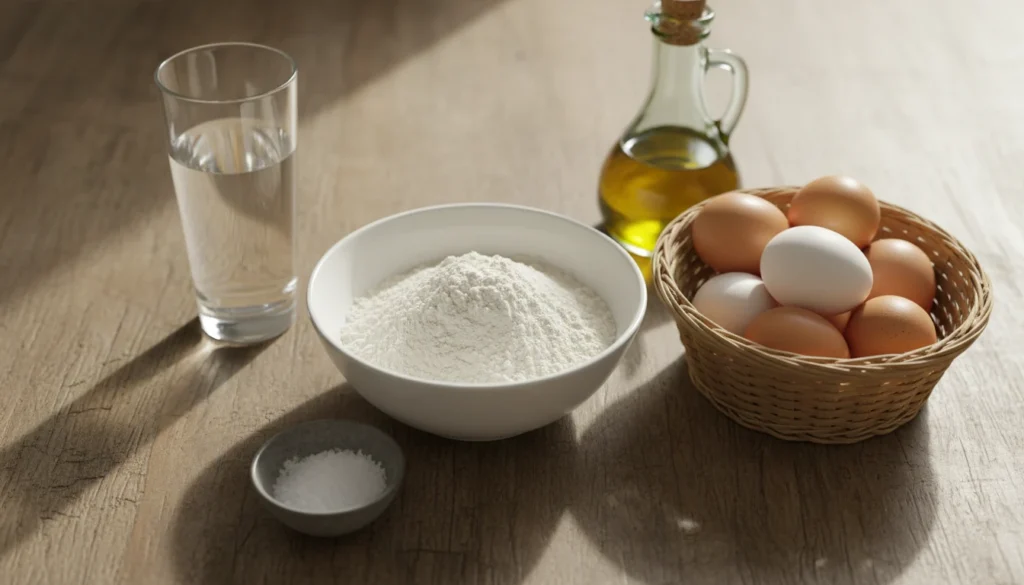
I keep this recipe simple: just a few pantry staples, an optional egg or two for richness, and a couple of swaps for special diets. The lists below show exactly what I use and why each item matters.
Essential Pantry Staples
- All-purpose flour — 2 cups (250 g). This gives structure and chew. Bread flour works if you want firmer noodles; use 00 flour for silkier texture.
- Large eggs — 2. Eggs add richness, color, and bind the dough. For egg-free noodles, skip eggs and use water or a flax substitute (see substitutions).
- Salt — 1 tsp. Salt seasons the dough from the start and improves gluten development.
- Water — 2–4 tbsp. Use cold or room-temperature water to bring the dough together. Add gradually until the dough holds.
- Optional baking powder — 1/2 tsp. I sometimes add this for softer, slightly puffed noodles, especially in old‑fashioned egg noodle recipes.
I weigh ingredients when I can. A kitchen scale gives more consistent results than cups. For a visual guide to dough textures, the USDA and King Arthur Flour both offer reliable resources on flour and dough handling.
Recommended Add-Ins
- Olive oil or melted butter — 1 tbsp. Fat makes the dough tender and helps rolling. I brush a little on cut noodles to keep them from sticking.
- Milk — up to 1/4 cup. Swap part of the water for milk for richer, softer noodles used in casseroles.
- Herbs and spices — 1 tsp total. Fresh parsley, dried oregano, garlic powder, or black pepper add subtle flavor. Use sparingly so noodles stay versatile.
- Semolina or durum — up to 1/2 cup. Mixing 25% semolina with all-purpose flour adds bite and a nicer surface for sauces to cling to.
I add fats and milk when I want noodles for buttered dishes or stroganoff. For soups, I keep the dough lean and simple so the broth shines.
Substitutions for Dietary Needs
- Gluten-free: Use a 1:1 gluten-free flour blend with xanthan gum, or a mix of rice and tapioca flours. Expect a more fragile dough; chill it before rolling.
- Vegan / Egg-free: Replace 2 eggs with 4 tbsp water + 1 tbsp olive oil, or a flax egg (1 tbsp ground flax + 3 tbsp water per egg). Rest the dough 20 minutes to hydrate the flours.
- Low-carb / Keto: Use almond flour mixed with a small amount of vital wheat gluten (if not avoiding gluten) or experiment with egg-only “noodles” made from beaten eggs cooked thin and sliced.
- Dairy-free: Substitute water for milk and use oil instead of butter.
I test substitutions in small batches to check texture and cooking time. For precise gluten-free techniques and ratios, I consult resources like the Celiac Disease Foundation and reputable gluten-free bakeries.
Step-by-Step Instructions
I guide you through the exact actions you need to make smooth, elastic dough, roll it thin and even, and cut noodles that cook uniformly. Follow the times, measurements, and small tips to avoid common mistakes.
Preparing the Dough
I start by weighing 2 cups (about 250 g) of all-purpose flour and placing it in a bowl. I make a well, add 2 large beaten eggs and 1/2 teaspoon salt, then slowly mix with a fork until a shaggy dough forms. If the dough seems dry, I add 1–2 tablespoons of cold water; if too sticky, I dust with a little flour.
I transfer the dough to a floured work surface and knead for 8–10 minutes until it feels smooth and springy. Resting matters: I wrap the dough in plastic and let it sit 20–30 minutes at room temperature. This relaxes the gluten and makes rolling easier. For egg-free noodles, I replace eggs with 3/4 cup water and 1 tablespoon oil and adjust as needed.
Rolling Out the Dough
I divide the rested dough into 3 equal pieces to make rolling manageable. I flatten one piece with my palm, then run it through a pasta machine starting at the widest setting twice, folding once between passes. I reduce the setting one notch at a time until the sheet reaches the desired thickness (usually setting 6–7 for egg noodles).
If I don’t have a machine, I roll with a pin, rotating and flouring the sheet to keep it even. I aim for an even 1–2 mm thickness for most dishes. I lightly dust both sides with flour to prevent sticking and stack sheets separated by parchment if I’ll cut several at once. For soups, I make slightly thicker sheets so noodles hold up when simmered.
Cutting Noodles Evenly
I fold or roll the sheet loosely to cut ribbons, or I use the cutter on my pasta machine for consistent widths. For standard egg noodles I cut 1/4-inch strips; for wider egg-pasta I cut 1/2-inch. I use a ruler or guide on the work surface to keep strips uniform.
I carefully uncurl each ribbon and shake out excess flour so they don’t clump. I hang noodles on a drying rack for 10–15 minutes if I plan to store them briefly, or lay them in a single layer on a floured tray for immediate cooking. To cook, I add fresh noodles to boiling salted water and stir gently to stop sticking; fresh egg noodles usually take 2–4 minutes to cook through.
External resources: I often check pasta techniques on Serious Eats for troubleshooting and the USDA site for safe egg handling.
Cooking Your Homemade Noodles
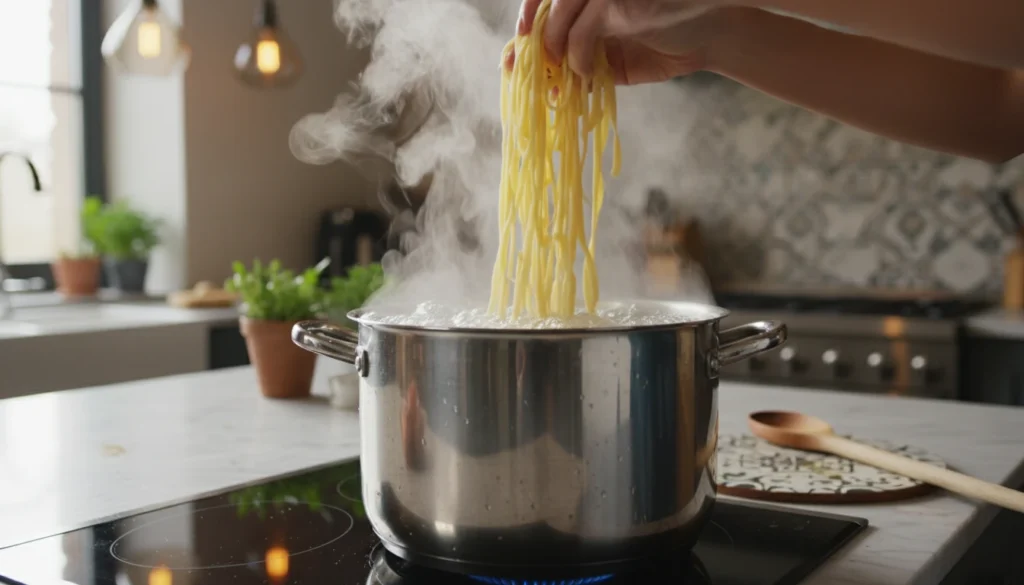
I boil noodles in well-salted water, watch cook time closely, and drain them quickly to keep texture and flavor. Small choices—pot size, salt amount, and whether I rinse—change the final result.
Boiling Methods
I start with a large pot so the noodles move freely. Use at least 4–6 quarts of water per pound of noodles. Bring the water to a rolling boil before adding noodles to prevent them from sticking.
Salt the water well: I add about 1–2 tablespoons of kosher salt per 4–6 quarts. The water should taste like the sea; this seasons the pasta from the inside. If I plan to add the noodles to a hot soup, I salt slightly less.
I usually add noodles in small batches so the boil stays active. Stir immediately and again after 30–60 seconds to stop clumping. For fresh egg noodles I often reduce the heat to a gentle boil to avoid tearing.
For a reference on pasta water technique and pot size, I follow guidance from trusted sources like the USDA and cooking schools such as America’s Test Kitchen.
Cooking Time Tips
Fresh noodles cook much faster than dried ones. I check fresh egg noodles after 1–3 minutes; thinner noodles may be done in under a minute. Start tasting for doneness early.
I test for “al dente” by biting: the noodle should be tender but still offer slight resistance. If adding to a sauce, I undercook by 30–60 seconds because the pasta will finish cooking in the sauce and soak up flavor.
If noodles will sit before serving, cook them fully and toss with a little oil or butter to stop sticking. For soups, cook until just tender so they don’t turn mushy in the hot broth.
Draining and Serving
I drain using a colander and avoid rinsing unless a cold salad or stir-fry needs it. Rinsing removes starch that helps sauce cling, so I skip it for most sauced dishes.
When I save pasta water, I ladle out 1/2 to 1 cup before draining. That starchy water helps thin and bind sauces. For sauced noodles, I transfer them directly from pot to pan with sauce and toss over low heat, adding reserved pasta water a tablespoon at a time.
For serving, I plate immediately while noodles are warm. I finish with a drizzle of olive oil or a pat of butter for shine, plus grated cheese or fresh herbs when appropriate. For storage, refrigerate cooled noodles in an airtight container for up to 3 days.
Serving Ideas and Pairings
I recommend simple, bold choices that match the texture and mild flavor of fresh noodles. Think butter and herbs, bright sauces, clear broths, or chilled dressings that let the noodle shine.
Sauces for Homemade Noodles
I like a few go-to sauces that coat noodles without overpowering them.
- Brown butter sage: Melt 4 tablespoons butter until nutty, add a handful of torn sage, salt, and lemon zest. Toss hot noodles to lightly glaze.
- Garlic olive oil: Gently warm 3 tablespoons olive oil with 2 smashed garlic cloves and red pepper flakes. Remove garlic, then toss with parsley and grated Parmesan.
- Creamy mushroom: Sauté 8 oz sliced mushrooms, add ½ cup cream, ¼ cup stock, salt, and thyme. Simmer until slightly thick and fold in noodles.
For portioning, plan about 3 tablespoons sauce per 2 cups cooked noodles for light coating, and 1/3 to 1/2 cup for saucier dishes. I add fresh herbs last to keep their flavor bright.
Soup and Broth Pairings
Fresh noodles work well in clear broths and rich soups alike.
- Chicken noodle soup: Simmer a light chicken broth with carrots and celery, then add noodles in the last 5 minutes so they stay tender but not mushy.
- Beef pho-style: Use a fragrant beef or vegetable broth with star anise and ginger. Briefly blanch noodles and place in bowls before ladling hot broth over them.
- Miso or dashi: For umami depth, stir miso into warm stock off the heat and add thin noodles plus scallions and soft tofu.
I recommend cooking noodles separately and adding them to bowls. That prevents them from absorbing too much broth and keeps texture consistent.
Tips for Cold Noodle Dishes
Cold noodles need a dressing that clings and bold mix-ins for contrast.
- Dressing ideas: Whisk 2 tablespoons soy sauce, 1 tablespoon rice vinegar, 1 teaspoon sesame oil, 1 teaspoon honey, and grated ginger. Toss while noodles are slightly warm so they absorb flavor.
- Texture add-ins: Use crunchy cucumber, julienned carrot, toasted sesame seeds, and chopped peanuts for bite. Add fresh cilantro or mint for brightness.
- Chill and serve: Rinse noodles under cold water after cooking and drain well. Chill for 20–30 minutes for best flavor melding, then toss with dressing and taste for salt.
I avoid heavy mayonnaise in cold noodle salads unless I want a rich, creamy dish; lighter oil-based dressings keep the noodles springy.
Storing and Reheating Leftovers
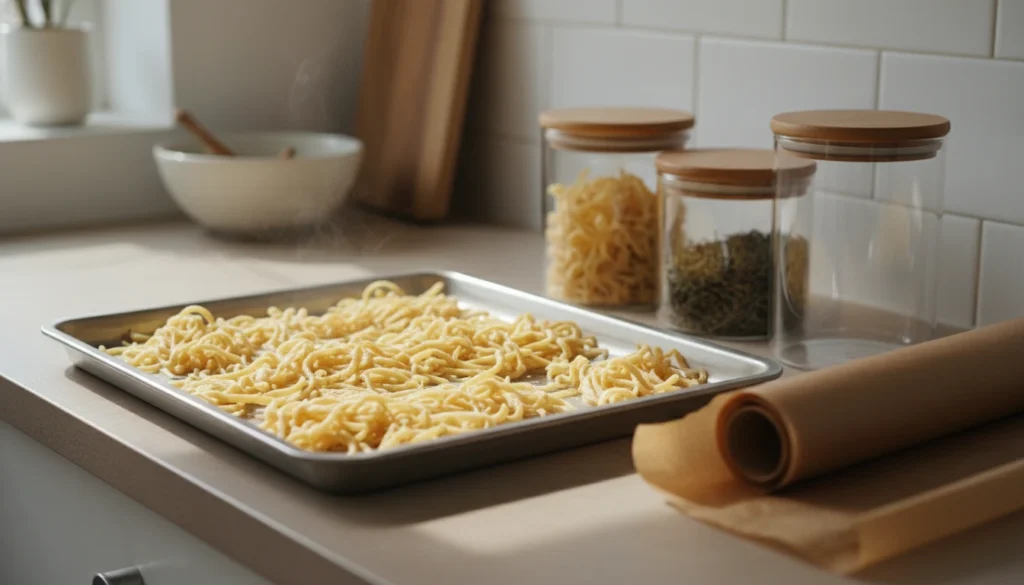
I store noodles so they keep their texture and taste, then reheat them safely. A few clear steps for cooling, packing, and warming make leftovers simple to enjoy again.
Refrigeration Best Practices
I cool cooked noodles quickly to keep them safe. Spread them on a baking sheet or shallow pan for 15–30 minutes, then transfer to an airtight container. Label the container with the date.
Store plain noodles up to 3–4 days in the fridge; tossed-in sauce or meat can shorten that to 2–3 days. Keep the fridge at or below 40°F (4°C).
To prevent sticking, toss noodles with a teaspoon of olive oil before packing or place sheets of parchment between layers. Reheat gently: add a splash of water or sauce, then warm in a skillet over medium heat or microwave in 30-second bursts, stirring between intervals. For food-safety guidance and timing, I check USDA recommendations at https://www.fsis.usda.gov and FDA storage charts at https://www.fda.gov.
Freezing Homemade Noodles
I freeze noodles when I want longer storage or to save extra dough. Cool completely, toss lightly with oil, and portion into meal-sized bags or freezer-safe containers. Remove as much air as possible to avoid freezer burn.
Label with contents and date; homemade noodles keep well for 1–2 months for best texture, up to 3 months safely. Freeze cooked noodles flat in zip bags for faster thawing. To use, thaw in the fridge overnight or drop frozen noodles straight into boiling water or soup for a quick finish. Reheating from frozen in a hot pan with sauce also works and keeps the texture firmer.
Customizing Your Recipe
I focus on simple swaps that change taste, texture, and diet fit. Small ingredient tweaks and timing changes give the biggest, most reliable results.
Flavor Variations
I add herbs, spices, or aromatics to the dough for clear flavor lifts. For herby noodles, mix 1–2 tablespoons of finely chopped fresh herbs (basil, parsley, or chives) into 2 cups of flour. For spice, stir 1 teaspoon of ground black pepper or 1/2 teaspoon paprika into the dry mix.
I also use infused liquids. Replace part of the water with 1/4 cup strong vegetable or chicken stock for savory depth, or use 1–2 tablespoons of soy sauce or fish sauce for umami. For richer color and mild sweetness, blend 1/3 cup pureed roasted pumpkin or beet with the water.
I adjust salt and egg amounts to match flavors. Add 1/4–1/2 teaspoon extra salt if using unsalted stock. If using strong-flavored add-ins, keep eggs at the recipe baseline to avoid dough becoming too wet.
Vegan and Gluten-Free Options
I make vegan noodles by swapping eggs with 3 tablespoons of aquafaba or 1/4 cup mashed silken tofu per 2 cups flour. Add 1–2 tablespoons oil to improve elasticity. Knead a bit longer—about 8–10 minutes—since plant binders need extra work to form structure.
For gluten-free noodles, I use a blend: 1 cup brown rice flour, 1 cup tapioca starch, and 1/2 cup tapioca flour works well for texture. Add 1 teaspoon xanthan gum per 2 cups mix to mimic gluten’s stretch. Start with 3/4 cup warm water and 1 tablespoon oil, then adjust until dough is pliable but not sticky.
I test small batches first. Roll thin and cook briefly; gluten-free and vegan noodles often need different boil times—check after 2 minutes and every 30 seconds after.
Common Mistakes and Troubleshooting
I focus on two common issues I see: overworked dough that becomes elastic and hard to roll, and noodles that turn out either sticky or tough. The fixes below give clear steps I use to prevent and repair each problem.
Overworking the Dough
When I knead too long, the dough gets tight and snaps back when I try to roll it. That means the gluten is overdeveloped. I stop kneading once the dough is smooth and slightly tacky, usually after 6–8 minutes by hand or 4–5 minutes in a mixer.
If the dough is already elastic, I let it rest for 30–45 minutes, wrapped in plastic or under a damp towel. Resting relaxes the gluten and makes the dough easier to roll thin. I also press and fold gently instead of aggressive kneading when shaping.
Tools help. I use a bench scraper to fold rather than stretch, and I dust the surface lightly with flour to avoid extra kneading to remove stickiness. If the dough dries on the edges, I trim and pinch it back together to keep texture even.
Sticky or Tough Noodles
Sticky noodles usually mean too much moisture or insufficient flour on the work surface. I dust my counter and roller with a little flour, then shake off excess. For sticky dough, I add 1 teaspoon of flour at a time, kneading gently until it firms but stays pliable.
Tough noodles often come from using cold liquid, too much kneading, or rolling the dough too thick. I use room-temperature eggs and milk so the dough hydrates evenly. If noodles are already tough after cooking, I cut cooking time by 30 seconds and test frequently.
If noodles clump after boiling, I drain them and toss with a small amount of oil or butter to separate strands. For soup noodles, I rinse briefly under hot water only when necessary to remove excess starch without cooling them too much.
FAQs
Can I skip eggs or use a substitute?
Yes. I make egg-free noodles with just flour, water, and salt.
Using eggs gives richer flavor and color, but water dough works well for soups and stir-fries.
What’s the best flour to use?
I usually use all-purpose flour for a tender noodle.
For chewier texture, try bread flour. Use semolina for rustic pasta if you want a firmer bite.
How thin should I roll the dough?
Aim for 1–2 mm for pasta-like noodles and 2–3 mm for hearty egg noodles.
Thinner cooks faster; thicker holds up better in stews.
Do I need a machine to cut noodles?
No. I roll with a pin and cut with a knife.
A pasta attachment or roller makes the job quicker but is not required.
How do I prevent noodles from sticking?
Toss fresh noodles with a little flour or cornmeal.
When cooking, add them gently to boiling water and stir once or twice right away.
Can I dry homemade noodles?
Yes. I hang or lay them on trays to dry for a few hours until slightly stiff.
Fully dried noodles store longer, but they will take more time to rehydrate when cooked.
Conclusion
I found this noodle method simple and flexible for everyday cooking. Small ingredients and a little time give fresh, tender noodles that taste better than store-bought.
I like that the dough comes together quickly. You can rest it in 15–30 minutes, then roll and cut by hand or with a tool.
Try these variations to match your meal:
- Use eggs for richer, yellow noodles.
- Add baking powder for a softer bite.
- Swap flours to change texture and nutrition.
I recommend making a small test batch first. It helps you learn dough feel and cooking time without wasting ingredients.
Store fresh noodles in the fridge for 1–2 days or freeze them for longer. Cook from frozen with a minute or two extra in boiling water.
If a step trips you up, revisit the dough hydration and resting time. Small adjustments fix most issues and help you get the exact texture you want.
