How to Clean Frying Pan Stains

Cleaning frying pan stains can be quick and easy with the right approach. This guide covers step-by-step methods to remove burnt residue, discoloration, and stubborn marks from various types of frying pans. You’ll also find practical tips and troubleshooting advice to keep your pans looking like new.
Key Takeaways
- Identify pan material: Different pans require different cleaning methods to avoid damage.
- Use natural ingredients: Baking soda, vinegar, and lemon are effective, safe stain removers.
- Soaking helps: Letting the pan soak loosens tough burnt-on food and stains.
- Gentle scrubbing is key: Use non-abrasive tools to protect the pan’s surface.
- Regular maintenance: Clean pans after each use to prevent stains from building up.
- Troubleshoot stubborn stains: Use a combination of methods for hard-to-remove marks.
- Restore shine: Proper cleaning not only removes stains but also keeps your pan looking new.
How to Clean Frying Pan Stains
Frying pans are kitchen essentials, but frequent cooking often leaves behind stubborn stains and burnt residue. If you’ve ever struggled to restore your pan’s original shine, you’re not alone. This guide will teach you how to clean frying pan stains effectively using simple household ingredients. Whether your pan is stainless steel, non-stick, cast iron, or aluminum, you’ll find step-by-step instructions tailored to your needs. By the end, you’ll know how to tackle even the toughest stains while preserving your pan’s surface.
Step 1: Identify Your Frying Pan Type
Before you start cleaning, it’s important to know what kind of frying pan you have. Different materials require different care to avoid damage.
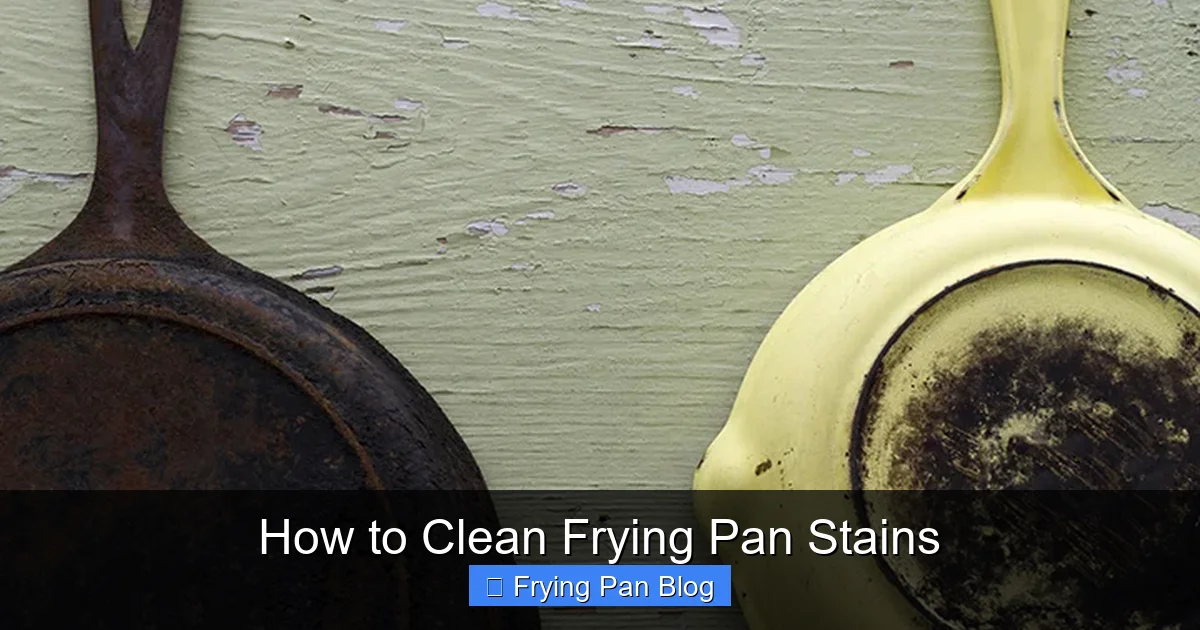
Visual guide about How to Clean Frying Pan Stains
Image source: images.startsat60.com
Common Pan Types
- Non-stick pans: Coated with a special layer that can scratch easily.
- Stainless steel pans: Durable and resistant but can develop discoloration.
- Cast iron pans: Require seasoning and careful cleaning to maintain the coating.
- Aluminum pans: Lightweight but prone to staining and oxidation.
Knowing your pan type helps you select the best cleaning method and avoid harsh scrubbing or chemicals that could ruin the surface.
Step 2: Gather Your Cleaning Supplies
Most frying pan stains can be tackled with common household items. Here’s what you’ll need:
Visual guide about How to Clean Frying Pan Stains
Image source: c8.alamy.com
- Baking soda
- White vinegar
- Lemon juice
- Dish soap
- Warm water
- Non-abrasive sponge or soft scrub brush
- Plastic or wooden scraper (optional)
- Microfiber cloth or soft towel
Having these on hand prepares you to clean your pan safely and effectively.
Step 3: Basic Cleaning for Light Stains
1. Wash with warm soapy water
Start by washing the pan with warm water and a mild dish soap using a soft sponge. This removes grease and light residue.
2. Rinse and dry
Rinse thoroughly and dry with a soft cloth. Sometimes, this simple step removes minor stains.
Step 4: Removing Stubborn Stains with Baking Soda Paste
1. Make a baking soda paste
Mix 2-3 tablespoons of baking soda with enough water to form a thick paste.
2. Apply the paste
Spread the paste evenly over the stained areas of the pan.
3. Let it sit
Allow the paste to sit for 15-30 minutes to break down the stains.
4. Scrub gently
Using a non-abrasive sponge, scrub the paste in circular motions to lift the stains.
5. Rinse well and dry
Rinse with warm water and dry thoroughly.
This method is gentle and works well on stainless steel and aluminum pans.
Step 5: Using Vinegar for Burnt-On Food
1. Fill the pan with equal parts water and white vinegar
Fill the pan to cover the stained areas with a 1:1 mixture of water and vinegar.
2. Bring to a boil
Place the pan on the stove and bring the mixture to a boil. Let it simmer for 5-10 minutes.
3. Remove from heat and cool
Turn off the stove and let the pan cool down enough to handle safely.
4. Scrub with baking soda
Drain the liquid and sprinkle baking soda on the stains. Scrub gently with a soft sponge.
5. Rinse and dry
Rinse thoroughly and dry with a clean towel.
This method is especially effective for burnt-on food stuck on stainless steel and aluminum pans.
Step 6: Cleaning Non-Stick Pans
1. Avoid harsh abrasives
Never use steel wool or abrasive scrubbers on non-stick pans to prevent scratching the coating.
2. Use warm soapy water and a soft sponge
Wash the pan with dish soap and a soft sponge immediately after use.
3. Baking soda soak for tough stains
If stains persist, fill the pan with warm water and add 1-2 tablespoons of baking soda. Let it soak for 30 minutes.
4. Gently scrub and rinse
After soaking, use a soft sponge to gently scrub and then rinse thoroughly.
Always dry non-stick pans immediately to prevent water spots and extend their lifespan.
Step 7: Caring for Cast Iron Pans
1. Avoid soap
Soap can strip the seasoning on cast iron pans, so avoid using it.
2. Use coarse salt scrub
For stains and stuck-on food, scrub the pan with coarse kosher salt and a damp cloth or sponge.
3. Rinse and dry immediately
Rinse with warm water and dry the pan thoroughly to prevent rust.
4. Re-season if needed
If stains or rust appear, re-season the pan by coating it with oil and heating it in the oven.
Proper cast iron care keeps your pan stain-free and non-stick naturally.
Step 8: Dealing with Discoloration and Rust
1. For discoloration on stainless steel
Use a paste of baking soda and water or a stainless steel cleaner. Scrub gently, then rinse and dry.
2. For rust on cast iron or steel pans
Scrub rust spots with steel wool or a rust remover. Re-season cast iron pans afterward to restore protection.
3. Prevent future stains
Always dry pans after washing and avoid leaving food residue for long periods.
Troubleshooting Common Problems
Stains won’t come off?
Try combining methods: soak with vinegar, then scrub with baking soda paste. Repeat if necessary.
Pan smells bad after cleaning?
Boil a mixture of water and lemon slices in the pan to remove odors.
Non-stick coating peeling?
If the coating is damaged, replace the pan. Avoid metal utensils and abrasive cleaners to prolong life.
Tips for Preventing Frying Pan Stains
- Clean pans immediately after use.
- Avoid cooking on excessively high heat.
- Use appropriate utensils to prevent scratching.
- Regularly season cast iron pans.
- Use gentle cleaning methods suited to your pan type.
Conclusion
Cleaning frying pan stains doesn’t have to be a chore. With the right knowledge and simple household ingredients like baking soda, vinegar, and lemon, you can restore your pans’ shine and functionality. Remember to always identify your pan type before cleaning, use gentle scrubbing tools, and maintain your pans regularly to prevent stubborn stains. Follow these steps, and your frying pans will look and perform like new for years to come.
🎥 Related Video: How to Clean a Burnt Pan
📺 wikiHow
Learn How to Clean a Burnt Pan with this guide from wikiHow: https://www.wikihow.com/Clean-a-Burnt-Pan Follow our social …