
Is It Normal for Dutch Ovens to Stain

It is completely normal for Dutch ovens to stain over time. These stains come from cooking oils, food residues, and heat exposure, especially on enameled surfaces. With proper care and cleaning, stains won’t affect performance and can often be minimized.
Key Takeaways
- Staining is common: Dutch ovens, especially enameled ones, often develop stains from regular cooking.
- Types of stains: Stains can be from oils, acidic foods, or heat discoloration.
- Does not affect cooking: Stains are mostly cosmetic and don’t impact performance.
- Proper cleaning helps: Using gentle scrubbing and natural cleaners can reduce stains.
- Avoid harsh tools: Metal scrubbers or abrasive cleaners can damage the enamel.
- Seasoned cast iron behaves differently: Traditional cast iron Dutch ovens develop seasoning layers rather than stains.
- Prevention tips: Regular cleaning and avoiding high heat when empty helps prevent excessive staining.
📑 Table of Contents
Is It Normal for Dutch Ovens to Stain?
If you own a Dutch oven, you’ve probably noticed some discoloration or stains on its surface after cooking a few meals. Maybe you’re wondering, “Is it normal for Dutch ovens to stain?” The short answer is yes — staining is a natural part of using these versatile pots. But understanding why stains appear and how to care for your Dutch oven can make a big difference in how it looks and lasts over time.
Whether you have an enameled Dutch oven or a traditional cast iron one, the way staining occurs and how to handle it varies. In this article, we’ll dive deep into the reasons Dutch ovens stain, how to clean and prevent stains, and practical tips to keep your cookware looking fresh for many meals ahead.
Why Do Dutch Ovens Stain?
The Influence of Materials
First, the material of your Dutch oven plays a big role in staining. There are two main types: traditional cast iron and enameled cast iron.
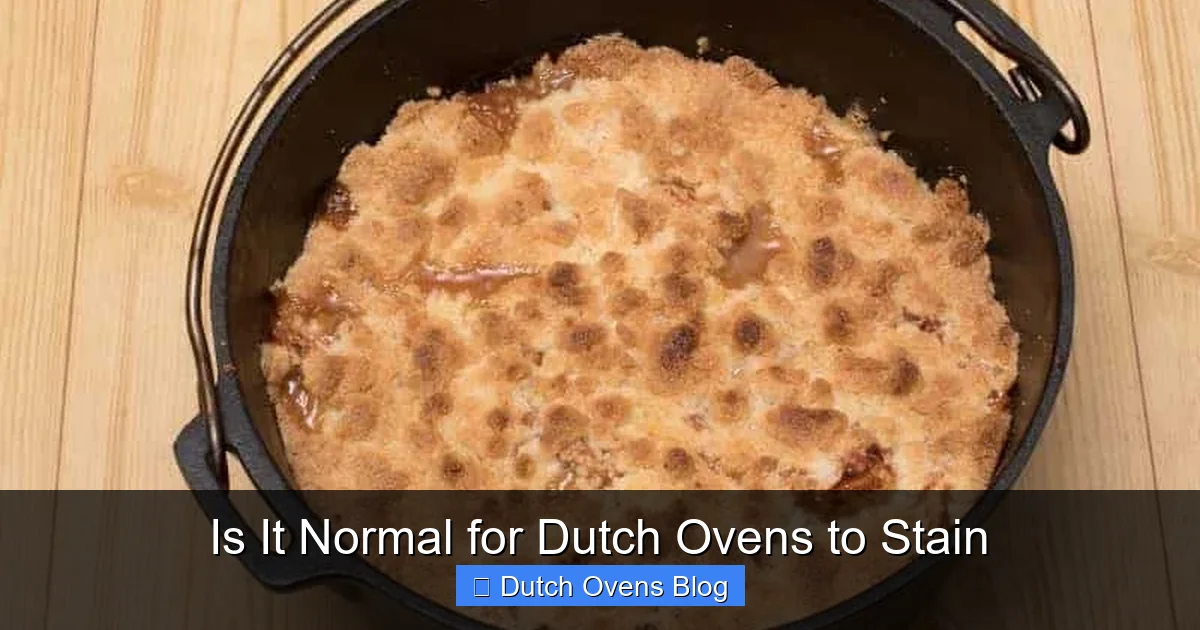
Visual guide about Is It Normal for Dutch Ovens to Stain
Image source: homeapricot.com
- Traditional cast iron Dutch ovens develop a natural patina or seasoning over time. This dark layer actually protects the iron and improves cooking, but it may look like staining to the untrained eye.
- Enameled Dutch ovens, on the other hand, have a smooth glass-like coating that is less porous but can still stain from certain foods and heat exposure.
Common Causes of Stains
Stains typically come from:
- Cooking oils and fats: These can seep into surfaces, especially if the enamel is slightly worn or scratched.
- Acidic foods: Tomatoes, vinegar, and wine can cause discoloration, particularly on lighter-colored enamel interiors.
- High heat exposure: Overheating an empty or nearly empty Dutch oven can cause heat marks or color changes.
- Food residues: Burnt-on food bits can leave dark stains if not cleaned promptly.
Is Staining Harmful to Your Dutch Oven?
Performance Impact
One of the biggest concerns is whether stains affect your Dutch oven’s cooking performance. Fortunately, most stains are purely cosmetic. They don’t impact heat retention, cooking evenness, or the pot’s longevity.
Traditional cast iron Dutch ovens gain a seasoning layer that actually enhances non-stick qualities. Enameled Dutch ovens maintain their cooking properties even when stained.
When to Worry
However, stains might signal deeper problems if accompanied by:
- Cracks or chips in the enamel
- Rust spots appearing on traditional cast iron
- Strong odors or flavors transferring to food
In these cases, it’s best to inspect your Dutch oven carefully and possibly consult manufacturer guidelines or a professional for repair advice.
How to Clean Stains on Dutch Ovens
Cleaning Enameled Dutch Ovens
For enameled Dutch ovens, gentle cleaning methods usually work best:
- Soaking: Fill the pot with warm soapy water and let it soak to loosen stains.
- Baking soda paste: Mix baking soda with water to form a paste, apply to stains, and gently scrub with a soft sponge.
- Vinegar soak: For stubborn stains, soak the pot in a solution of vinegar and water for 15-30 minutes.
- Bar Keeper’s Friend: This mild abrasive cleaner is safe for most enameled surfaces and helps remove tough marks.
Cleaning Traditional Cast Iron Dutch Ovens
Cast iron requires a different approach:
- Hot water and brush: Avoid soap; use hot water and a stiff brush to remove food residue.
- Salt scrub: Coarse salt can help scrub off stuck-on food without damaging seasoning.
- Re-seasoning: If stains or rust appear, clean the pot thoroughly and apply a thin layer of oil, then bake it to restore the seasoning.
Cleaning Tips to Avoid Damage
- Never use metal scouring pads on enameled surfaces—they can scratch and worsen staining.
- Avoid harsh chemicals like bleach or oven cleaner on any Dutch oven.
- Dry thoroughly after washing to prevent rust on traditional cast iron.
How to Prevent Dutch Oven Stains
Cooking Practices
Prevention starts in the kitchen:
- Avoid high heat when empty: Heating your Dutch oven without food can cause discoloration and damage.
- Use cooking oils appropriately: Applying a thin layer of oil before cooking helps reduce sticking and staining.
- Clean promptly: Don’t let food residues sit for long periods before washing.
Proper Storage and Maintenance
- Store dry: Make sure your Dutch oven is completely dry before storing to prevent moisture-related stains or rust.
- Use protective liners: For enameled Dutch ovens, consider placing a paper towel or cloth inside when storing.
- Regular seasoning: For cast iron, maintain the seasoning to keep the surface smooth and stain-resistant.
When to Replace or Repair Your Dutch Oven
Signs You Need a New Dutch Oven
While staining is normal, sometimes your Dutch oven may be beyond simple cleaning or maintenance:
- Deep cracks or chips in the enamel
- Rust holes or severe corrosion in cast iron
- Warped lids or bodies affecting fit and heat retention
Repair Options
Minor chips or surface stains can sometimes be repaired or minimized with professional refinishing or enamel repair kits. However, major damage usually means it’s time to invest in a new Dutch oven for safety and cooking quality.
Conclusion: Embrace the Character of Your Dutch Oven
Staining on Dutch ovens is not only normal—it’s part of their charm and story. Whether your pot is enameled or traditional cast iron, some discoloration is just a sign of good, hearty cooking. These stains don’t usually harm your Dutch oven’s performance and can often be cleaned or minimized with simple household methods.
With a little care, your Dutch oven can serve you well for many years, developing a beautiful patina or keeping its glossy finish with minimal staining. So next time you see a mark or stain, remember it’s a badge of delicious meals shared and memories made.
Happy cooking!
🎥 Related Video: How to clean your dirty Dutch oven (the lazy way)
📺 Ancestral Supplements
Frequently Asked Questions
Is it normal for Dutch ovens to stain?
Yes, staining is a normal occurrence, especially with enameled Dutch ovens. Stains usually come from cooking oils, acidic foods, and heat exposure and do not affect the pot’s performance.
Can I remove stains from my Dutch oven?
Many stains can be removed using gentle methods like baking soda paste, vinegar soaks, or mild abrasives like Bar Keeper’s Friend for enameled pots. Traditional cast iron can be cleaned with hot water, salt scrubs, and re-seasoning.
Do stains affect the cooking quality of a Dutch oven?
Generally, stains are cosmetic and do not impact heat retention or cooking quality. However, cracks or rust should be addressed as they can affect performance.
How can I prevent stains on my Dutch oven?
Prevent stains by avoiding high heat when empty, cleaning food residues promptly, using appropriate oils, and properly drying and storing the Dutch oven.
Is it safe to use a Dutch oven with stains?
Yes, stains are safe and do not pose health risks. They are mostly surface discolorations and don’t affect the pot’s safety or cooking functions.
When should I replace my Dutch oven?
If your Dutch oven has deep enamel cracks, severe rust, or warping that affects cooking, it’s time to consider replacement or professional repair to ensure safety and performance.
