
Contents
- 1 Key Takeaways
- 2 Introduction: Why a Good Rice Cooker Brand Comparison Matters
- 3 Step 1: Assess Your Rice Cooking Needs
- 4 Step 2: Key Features to Compare Across Brands
- 5 Step 3: Top Rice Cooker Brands Overview
- 6 Step 4: Detailed Brand-by-Brand Comparison
- 7 Step 5: Making Your Final Decision
- 8 Step 6: Setting Up and Using Your New Rice Cooker
- 9 Troubleshooting Common Issues
- 10 Conclusion: Your Perfect Rice Cooker Awaits
Key Takeaways
- Identify your needs first: Consider household size, rice consumption frequency, and must-have features before comparing brands.
- Zojirushi leads in precision: Best for sushi rice and consistent results, but comes with a higher price tag.
- Instant Pot offers versatility: Great for meal preppers who want one appliance for rice, stews, yogurt, and pressure cooking.
- Tiger balances quality and value: Japanese craftsmanship at mid-range prices with excellent keep-warm functions.
- Cuckoo brings smart features: Korean technology includes voice controls and fuzzy logic at competitive prices.
- Compare beyond price: Look at warranty length, customer service reputation, and long-term durability when making your final choice.
Introduction: Why a Good Rice Cooker Brand Comparison Matters
You might think all rice cookers are the same—just a pot that heats up and cooks rice. That assumption could cost you money, time, and countless disappointing meals. A proper rice cooker brand comparison reveals the subtle differences that transform your daily rice from sticky clumps to perfect, fluffy grains every single time.
In this guide, you’ll learn how to evaluate rice cooker brands based on your specific needs. We’ll walk through the top six manufacturers, compare their key features side-by-side, and give you a step-by-step process for choosing the perfect match. By the end, you’ll know exactly which brand deserves counter space in your kitchen.
Step 1: Assess Your Rice Cooking Needs
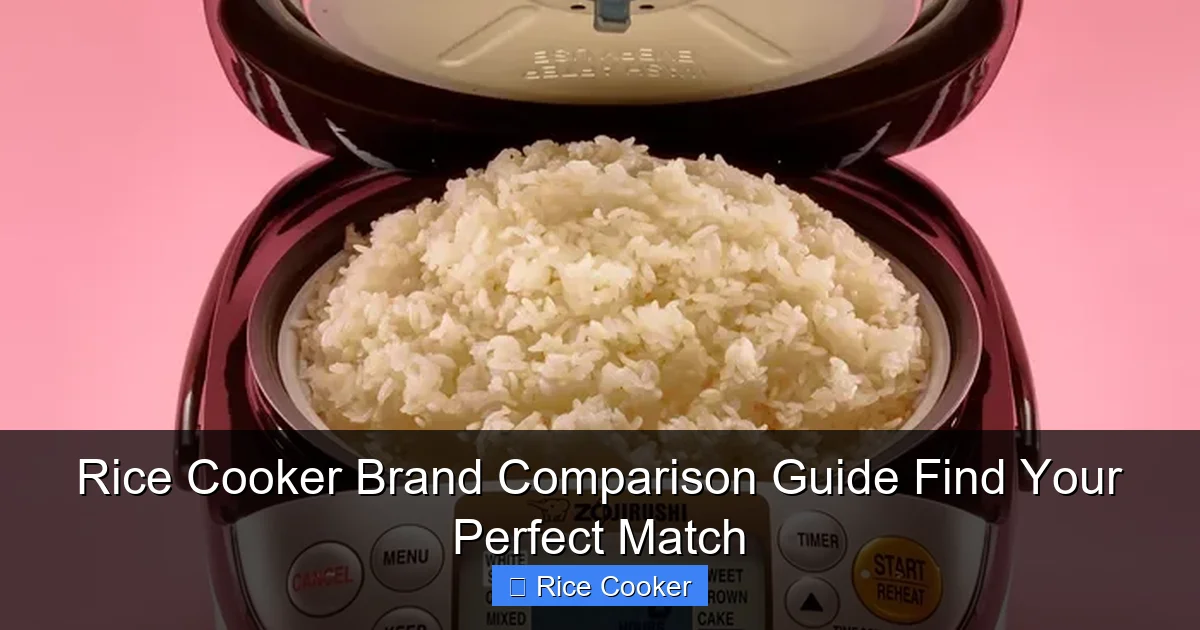
Before diving into any rice cooker brand comparison, you need to understand what you actually need. Jumping straight to features without this foundation leads to overspending or underbuying.
Visual guide about Rice Cooker Brand Comparison Guide Find Your Perfect Match
Image source: pyxis.nymag.com
Calculate Your Household Size
How many people regularly eat rice in your home? A single person or couple can get by with a 3-cup uncooked capacity model. Families of four need at least 5-6 cups, while larger households or frequent entertainers should look at 8-10 cup units. Buying too small means multiple cooking cycles. Going too large wastes energy and counter space.
Determine Your Weekly Rice Consumption
Are you cooking rice once a week for a side dish, or daily for meal prep? Heavy users should prioritize brands with durable inner pots and strong warranties. Light users can save money with basic models that still deliver quality results without paying for features they’ll rarely use.
Identify Your Must-Have Features
Make a quick list of non-negotiable functions. Do you need sushi rice perfection? A guide to rice types can help you understand which features pair with specific grains. Maybe you want porridge settings for breakfast congee. Or perhaps delay timers for set-it-and-forget-it convenience. Write these down before comparing brands.
Step 2: Key Features to Compare Across Brands
Not all rice cookers are created equal. Smart rice cooker brand comparison means knowing which features actually matter for your cooking style.
Visual guide about Rice Cooker Brand Comparison Guide Find Your Perfect Match
Image source: blog.daraz.com.bd
Understand the Types of Rice Cookers
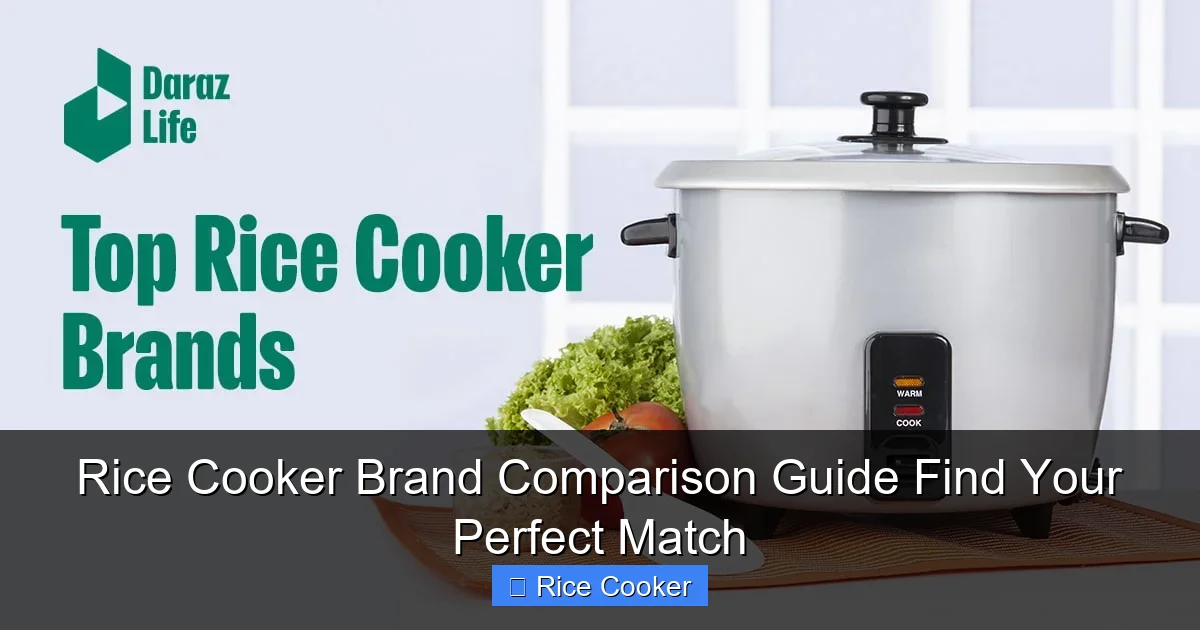
There are three main categories: basic thermal cookers, fuzzy logic models, and induction heating systems. Basic models use simple temperature sensors and work fine for white rice but struggle with brown rice or varying altitudes. Fuzzy logic cookers adjust time and heat automatically based on rice quantity and type—essential for perfect results every time. Induction heating offers restaurant-quality precision but costs significantly more.
Evaluate Capacity Options
Manufacturers list capacity in both cooked and uncooked cups. A 5-cup uncooked model produces 10 cups cooked. For reference, one cup uncooked serves about three people. Look for brands that offer multiple sizes within their product line so you can upgrade later without changing models completely.
Examine Cooking Technology
The heating method makes a huge difference. Standard bottom heating works but can create hot spots. Electric rice cookers with surround heating distribute heat evenly. Induction models heat the entire pot uniformly, mimicking professional kitchens. Fuzzy logic microchips adjust cooking parameters in real-time, which is crucial if you cook different rice varieties regularly.
Check Additional Functions
Beyond basic rice, modern cookers offer steaming baskets for vegetables, slow cooking settings, yogurt makers, and cake baking modes. Some even have specific settings for quinoa, oatmeal, or rice and beans recipes. Determine which extras you’ll actually use versus features that look good on paper but collect dust.
Assess Build Quality and Materials
The inner pot material affects both cooking performance and longevity. Non-stick coatings are easy to clean but can scratch over time. Stainless steel pots last forever but require more attention. Ceramic-coated options provide natural non-stick properties without chemical coatings. Check the lid construction—tight seals prevent steam leaks, while vented lids can cause messy overflows.
Step 3: Top Rice Cooker Brands Overview
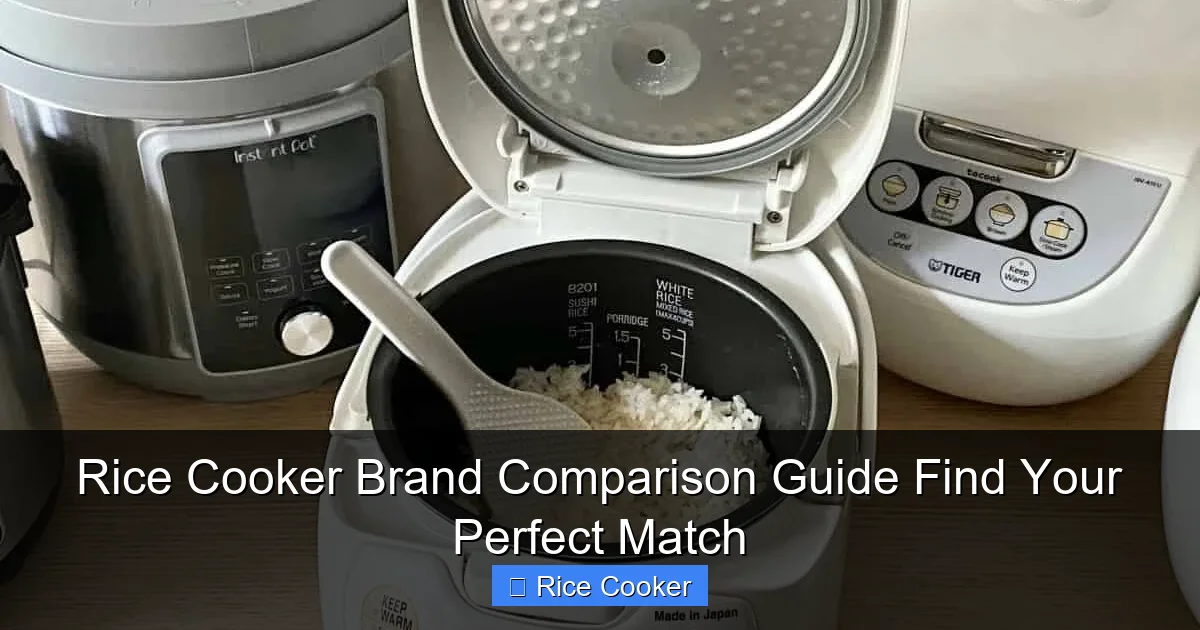
Now that you know what to look for, let’s examine the major players in the rice cooker market. Each brand brings different strengths to the table.
Visual guide about Rice Cooker Brand Comparison Guide Find Your Perfect Match
Image source: archute.com
Zojirushi: The Precision Perfectionist
Zojirushi dominates the high-end market with its focus on precision cooking. Their fuzzy logic and induction heating systems deliver sushi rice that rivals professional restaurants. The keep-warm function works flawlessly for hours without drying out or burning. Expect to pay $150-300 for most models, but you’re buying Japanese engineering that often lasts over a decade with proper care.
Instant Pot: The Multi-Tasking Workhorse
Instant Pot revolutionized home cooking by combining pressure cooking, slow cooking, and rice cooking in one appliance. Their rice cookers excel at versatility for meal preppers and busy families. While not quite as precise as Zojirushi for delicate sushi rice, they handle brown rice, porridge, and one-pot meals beautifully. Prices range from $80-150, making them an excellent value for the functionality offered.
Tiger Corporation: The Balanced Choice
Tiger offers that hard-to-find sweet spot between quality and affordability. Their products feature reliable fuzzy logic at mid-range prices ($100-200). The “tacook” function simultaneously steaks and cooks rice, saving time and dishes. Tiger’s reputation for durability is strong, and their customer service responds quickly to issues. They’re ideal for families who want Japanese reliability without Zojirushi’s premium pricing.
Cuckoo: The Tech-Savvy Innovator
Cuckoo brings Korean technology to the table with smart features like voice controls, smartphone app connectivity, and advanced fuzzy logic. Their pressure cooking models reduce cooking time dramatically while maintaining perfect texture. Prices are competitive ($120-250), and they offer excellent warranties. Cuckoo is perfect for tech lovers who appreciate modern conveniences and consistent results.
Aroma Housewares: The Budget-Friendly Starter
Aroma provides reliable, no-frills rice cookers for under $50. While they lack the fuzzy logic and precision of premium brands, they handle basic white rice perfectly. Their simplicity makes them ideal for beginners, college students, or as a backup appliance. Don’t expect advanced features, but they deliver solid performance for the price point.
Panasonic: The Reliable Everyday Brand
Panasonic offers solid mid-range options with dependable fuzzy logic technology. Their models feature intuitive controls and consistent results across rice varieties. Prices typically run $80-180. While they don’t lead in any single category, they provide reliable performance and wide availability of replacement parts, making them a safe choice for most households.
Step 4: Detailed Brand-by-Brand Comparison
Let’s dig deeper into how these brands stack up against each other in critical categories.
Performance Comparison for Different Rice Types
White rice: All major brands handle basic white rice well, but Zojirushi and Tiger produce noticeably fluffier grains with better separation. Brown rice tells a different story—Zojirushi and Cuckoo’s pressure cooking functions reduce the typical 45-minute cook time to 25 minutes while maintaining nutty flavor and chewy texture. Instant Pot performs solidly here too, though results can be slightly inconsistent at higher altitudes.
Sushi rice requires precise water ratios and temperature control. Zojirushi’s specialized sushi settings are unmatched, producing the sticky, glossy grains that hold together for perfect rolls. Tiger comes close, while other brands can produce gummy or overly wet results without careful manual adjustments.
Price Comparison Across Capacity Levels
For 3-cup models: Aroma wins at $25-40, Panasonic offers fuzzy logic for $60-80, and Instant Pot provides multi-cook functionality at $70-90. For 5-6 cup units: Tiger shines at $120-160, Zojirushi commands $180-250, and Cuckoo delivers pressure cooking at $150-200. At the 8-10 cup level: Zojirushi’s commercial-grade durability costs $250-350, while Instant Pot’s larger units run $130-180.
Durability and Long-Term Reliability
Based on consumer reports and repair statistics, Zojirushi and Tiger lead in longevity, averaging 8-12 years of regular use. Their inner pots maintain non-stick properties longer, and heating elements resist mineral buildup. Cuckoo follows closely, though their complex electronics can fail after 5-7 years. Instant Pot’s multi-cooker design sees more wear on seals and valves, typically lasting 4-6 years with heavy use. Aroma’s budget models generally last 2-4 years before replacement makes more sense than repair.
Customer Service and Warranty Coverage
Zojirushi offers a generous 1-year warranty with responsive email support and authorized repair centers across major cities. Tiger provides a 1-year warranty plus excellent phone support that often resolves issues without returns. Cuckoo stands out with a 7-year motor warranty on some models, though their customer service wait times can stretch to 20 minutes. Instant Pot’s chat support is available 24/7 but warranty claims require multiple verification steps. Aroma and Panasonic offer standard 1-year warranties with basic phone support.
Step 5: Making Your Final Decision
You’ve gathered all the information. Now it’s time to choose wisely.
Create Your Personal Shortlist
Based on your needs assessment and the comparisons above, narrow your choices to two or three specific models. Write down the pros and cons of each next to your must-have features. This visual exercise often reveals which brand truly matches your priorities. For example, if perfect sushi rice is your goal, Zojirushi likely tops the list despite the cost.
Read Real User Reviews Strategically
Don’t just glance at star ratings. Search reviews for specific issues related to your situation. If you live in a hard water area, look for mentions of mineral buildup. If you’re tall, check for comments about counter space. Focus on reviews from users with similar household sizes and cooking habits. Pay attention to how companies respond to negative reviews—good customer service stands out.
Calculate Long-Term Value
A $200 rice cooker that lasts 10 years costs $20 annually. A $50 model that fails after 3 years costs $17 annually but delivers inferior results and requires replacement. Factor in the cost of wasted rice from failed batches and the frustration of inconsistent performance. Often, spending more upfront saves money and headaches over time.
Verify Warranty and Support Accessibility
Before clicking “buy,” confirm warranty registration is simple and customer service contact information is readily available. Check if replacement parts like inner pots and lids are sold separately—this extends your appliance’s life. Some brands make proprietary parts difficult to find, forcing full replacement when a $20 part would solve the problem.
Step 6: Setting Up and Using Your New Rice Cooker
Your perfect match arrives. Proper setup ensures years of excellent rice.
First-Time Setup and Seasoning
Remove all packaging and wash the inner pot with warm, soapy water. Dry thoroughly before placing it back in the cooker. Run a cycle with 1 cup of water and a tablespoon of vinegar to clean manufacturing residues. Don’t add rice during this initial run. This process seasons the pot and eliminates any plastic odors.
Basic Operation for Perfect Rice Every Time
Rinse your rice thoroughly in a fine-mesh strainer until water runs clear. This removes excess starch that causes stickiness. Use the measuring cup that comes with your cooker—never substitute with regular kitchen cups. Follow the water ratio guide in your manual, but a good rule is 1:1.25 rice to water for white rice. After cooking, let rice rest for 10-15 minutes with the lid closed. This allows residual steam to finish the cooking process evenly.
For more detailed techniques, check out our guide on how to cook rice perfectly every time.
Routine Maintenance and Care
Always unplug the cooker before cleaning. Never immerse the main unit in water—wipe the exterior with a damp cloth. Hand wash the inner pot gently to preserve non-stick coatings. Clean the steam vent regularly with a toothpick to prevent clogs. Store with the lid slightly open to prevent moisture buildup and odors.
Troubleshooting Common Issues
Even the best rice cookers occasionally need help.
Rice is Too Mushy or Burnt
This usually indicates too much water or incorrect heat settings. Double-check your measurements and ensure you’re using the correct setting for your rice type. Brown rice needs more water and longer cooking than white rice. If problems persist, try reducing water by 10% for your next batch. Burnt bottoms often mean the keep-warm function activated too soon—let rice finish cooking completely before switching modes.
Rice Cooker Won’t Turn On
Check that the power cord is fully inserted at both ends. Test the outlet with another appliance. If the outlet works, the issue might be a blown thermal fuse—common in older units. Some models have reset buttons; press this to restore function. If none of these work, contact customer service—opening the unit yourself voids most warranties.
Steam Leakage Problems
Inspect the lid seal for food particles or damage. Clean the seal gently with warm water and ensure it’s properly seated. Check that you haven’t overfilled the pot—most cookers max out at 2/3 full during cooking. If the seal appears worn or cracked, order a replacement from the manufacturer. A good seal is critical for proper pressure buildup and cooking performance.
Conclusion: Your Perfect Rice Cooker Awaits
A thorough rice cooker brand comparison transforms a confusing purchase into an exciting upgrade for your kitchen. Remember that the “best” brand is the one that matches your specific needs, budget, and cooking habits. Zojirushi delivers unmatched precision for rice purists. Instant Pot offers incredible versatility for multi-taskers. Tiger provides the best balance for most families. Cuckoo brings smart features to tech-forward kitchens.
Take your time with the decision. Use our assessment steps, create your shortlist, and read real user reviews. When you finally choose, you’ll know it’s the right fit—not just another appliance, but a reliable kitchen partner that produces perfect rice for years to come. Happy cooking!
