What Are the Disadvantages of a Dutch Oven

While Dutch ovens are versatile and durable, they come with certain drawbacks that might affect your cooking experience. From their heavy weight to maintenance challenges, understanding these disadvantages helps you decide if a Dutch oven fits your kitchen needs.
Key Takeaways
- Heavy Weight: Dutch ovens are often heavy, making them harder to handle and carry, especially when full.
- High Maintenance: Some types, like cast iron, require special care to prevent rust and maintain seasoning.
- Slow Heat Adjustment: Dutch ovens take longer to heat up and cool down, which can affect cooking timing.
- Costly Investment: Quality Dutch ovens can be expensive upfront compared to other cookware.
- Not Ideal for All Cooking Styles: They may not be suitable for quick sautéing or frying due to their construction.
- Cleaning Challenges: Enamel-coated Dutch ovens may chip, and cast iron versions need careful cleaning techniques.
- Storage Space: Their bulky size requires considerable storage room in the kitchen.
📑 Table of Contents
What Are the Disadvantages of a Dutch Oven
If you’ve ever browsed kitchen stores or cooking blogs, you’ve probably come across Dutch ovens. These heavy-duty pots have a strong reputation for durability and versatility. Whether you’re baking bread, simmering stews, or roasting meat, many cooks swear by their Dutch ovens. Yet, like any kitchen tool, they aren’t perfect. Before you invest your hard-earned money, it’s smart to understand the potential downsides.
In this article, we’ll explore the disadvantages of a Dutch oven in detail. You’ll learn about common issues like weight, maintenance, and cooking limitations. This way, you can decide if a Dutch oven is the right fit for your cooking style and kitchen setup.
So, let’s dive in and uncover some of the challenges that come with owning and using a Dutch oven.
1. Heavy Weight Makes Handling Difficult
Why Are Dutch Ovens So Heavy?
Dutch ovens are typically made from cast iron, which is dense and robust. This material gives them excellent heat retention but also adds significant weight. A standard 5 to 7-quart Dutch oven can easily weigh between 10 to 15 pounds or more, without food inside.
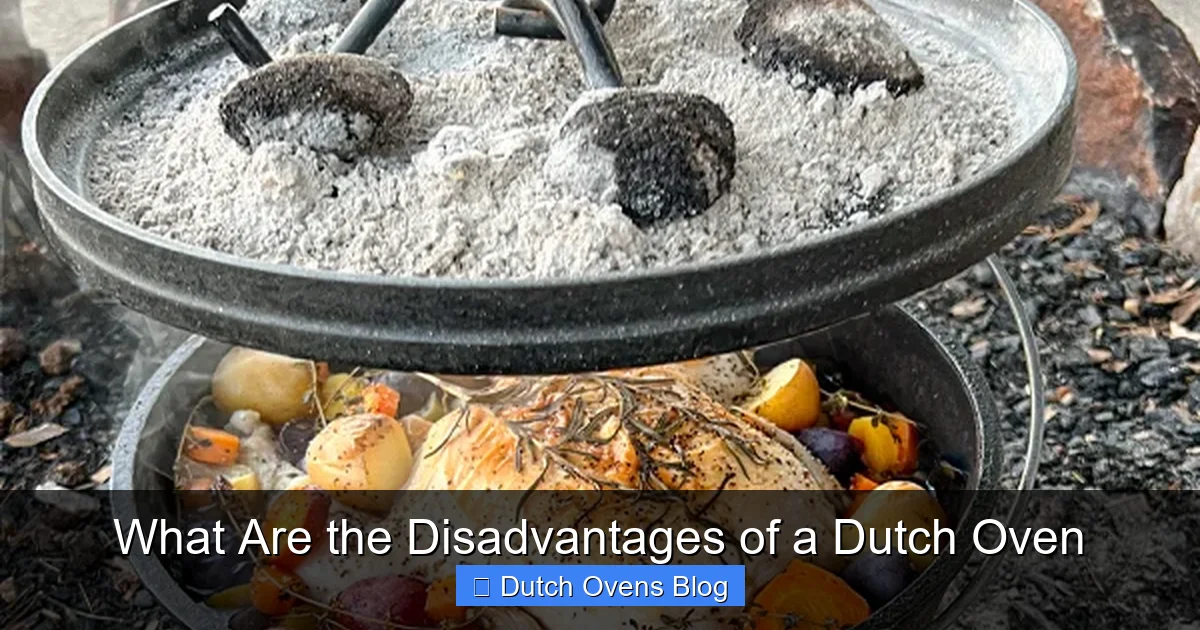
Visual guide about What Are the Disadvantages of a Dutch Oven
Image source: notjustahousewife.net
Handling Challenges
Because of their weight, lifting and moving a Dutch oven—especially when it’s hot and full—can be cumbersome. This can be tricky for people with limited strength or mobility. Carrying a heavy pot from stove to table or transferring it to the oven often requires both hands and careful attention.
Practical Tips
- Use sturdy potholders or oven mitts with a good grip.
- Consider smaller-sized Dutch ovens if weight is a concern.
- Always place the pot on heatproof surfaces to avoid accidents.
2. High Maintenance and Special Care Required
Cast Iron Seasoning Needs
Traditional uncoated cast iron Dutch ovens require seasoning—a process of coating the surface with oil and heating it to create a natural, non-stick layer. Without proper seasoning, the pot can rust and food can stick.
Cleaning Challenges
Using soap or soaking the Dutch oven for long periods can strip the seasoning, leading to rust. Cleaning requires gentle scrubbing with non-abrasive tools and thorough drying immediately after washing.
Enamel Coating Pros and Cons
Some Dutch ovens come with an enamel coating that prevents rust and eliminates the need for seasoning. However, enamel can chip or crack if dropped or handled roughly, exposing the cast iron underneath to rust.
Practical Tips
- Avoid harsh detergents and metal scrubbers on cast iron.
- For enamel-coated pots, use wooden or silicone utensils to prevent chipping.
- Dry the Dutch oven completely after washing to prevent rust.
3. Slow Heat Adjustment Can Be a Drawback
Heating Characteristics
Cast iron heats slowly but retains heat very well. While this is great for slow cooking and simmering, it can be a disadvantage when you need quick temperature changes.
Impact on Cooking
If you’re sautéing vegetables or trying to quickly sear meat, the Dutch oven may not respond as fast as thinner cookware. This can make precise temperature control difficult, sometimes leading to overcooked or undercooked food.
Practical Tips
- Preheat the Dutch oven gradually to avoid hot spots.
- Use it primarily for recipes that benefit from steady, even heat.
- For quick-cook meals, consider using a skillet alongside your Dutch oven.
4. Cost Can Be a Barrier
Price Range
Quality Dutch ovens, especially well-known brands, often come with a hefty price tag. A good enamel-coated Dutch oven can cost anywhere from $100 to $400 or more.
Is It Worth the Investment?
While they are durable and can last decades, the initial cost might be a deterrent for some home cooks. Cheaper alternatives may not offer the same durability or performance, leading to frustration.
Practical Tips
- Look for sales or discounts at reputable retailers.
- Consider buying used Dutch ovens from trusted sources.
- Balance your budget with your cooking needs before purchasing.
5. Not Suitable for All Cooking Styles
Limitations in Cooking Techniques
While Dutch ovens excel at slow cooking, braising, and baking, they’re not ideal for all types of cooking. Their thick walls and heavy lids make them less effective for stir-frying, quick frying, or recipes requiring rapid temperature changes.
Size and Shape Constraints
Dutch ovens are deep and bulky, which might not work well for recipes needing a wide, shallow pan for even browning or evaporation.
Practical Tips
- Use your Dutch oven for stews, soups, and casseroles instead of frying or sautéing.
- Keep a variety of cookware handy to cover different cooking needs.
6. Storage and Space Considerations
Bulky Size
Dutch ovens are large and heavy, often requiring significant cabinet or shelf space. Their lids are usually heavy and must be stored properly to avoid damage.
Kitchen Organization
If your kitchen has limited storage, a Dutch oven might add clutter or require rearranging your cookware setup.
Practical Tips
- Store the Dutch oven with the lid upside down or separately to avoid damage.
- Allocate a dedicated spot in your kitchen for heavy pots.
- Consider stackable cookware or racks to optimize space.
Conclusion
Dutch ovens are beloved by many for their versatility and durability, but they do come with disadvantages that are worth knowing. Their heavy weight, maintenance needs, slow heat response, and cost can be challenging for some cooks. Additionally, they are not suited to all cooking methods and require ample storage space.
Understanding these drawbacks helps you make an informed decision about whether a Dutch oven fits your kitchen lifestyle. If you decide to add one to your cookware collection, following proper care and usage tips will help you get the most out of this classic pot.
Ultimately, Dutch ovens are fantastic tools when used for the right recipes and cared for properly. Just be aware of the potential downsides to avoid surprises down the road.
🎥 Related Video: Why a Dutch Oven is Not a Pot #halloweenwithshorts #shorts
📺 Cooking At Pam’s Place
Why a Dutch Oven is MOT a Pot #shorts @shortsexcellence Subscribe if you have a dutch oven Come with me I’ll show you what …
Frequently Asked Questions
Are Dutch ovens difficult to clean?
Cleaning a Dutch oven depends on its material. Uncoated cast iron requires careful cleaning to preserve seasoning and prevent rust, while enamel-coated versions are easier to wash but can chip if handled roughly.
Why are Dutch ovens so heavy?
Dutch ovens are usually made of cast iron, a dense material that retains heat well but adds significant weight. This makes them sturdy but sometimes hard to handle.
Can I use a Dutch oven for frying?
While possible, Dutch ovens are not ideal for frying due to their slow heat adjustment and thick walls. A skillet or frying pan is better suited for quick frying tasks.
Do Dutch ovens require special maintenance?
Yes, especially uncoated cast iron types that need regular seasoning and careful cleaning. Enamel-coated Dutch ovens require less maintenance but should still be handled gently.
Are Dutch ovens expensive?
High-quality Dutch ovens can be pricey, often ranging from $100 to $400 or more. However, their durability can make them a worthwhile investment over time.
How much storage space does a Dutch oven need?
Due to their bulky size and heavy lids, Dutch ovens require ample storage space. Planning your kitchen storage accordingly helps keep them safe and accessible.
