
What Is a Reverse Dutch Oven

A reverse Dutch oven is a unique cooking method that flips the traditional Dutch oven concept, allowing for versatile, even heat distribution from underneath. This technique offers a fresh way to enjoy slow-cooked meals with crispier textures and enhanced flavors. Whether you’re camping or cooking at home, understanding the reverse Dutch oven can elevate your culinary game.
Key Takeaways
- Definition: A reverse Dutch oven involves cooking with heat applied primarily from below, unlike the classic method which heats from both top and bottom.
- Cooking Benefits: It produces more even cooking and crispier crusts, especially for bread and roasted dishes.
- Versatility: Ideal for outdoor cooking, campfire meals, and even indoor stovetop or oven use.
- Design Features: Some reverse Dutch ovens have specialized lids or bases to facilitate bottom heat distribution.
- Comparison: Differs from traditional Dutch ovens by focusing heat below, influencing cooking style and results.
- Practical Tips: Using charcoal or wood embers beneath the pot is key for best results in outdoor settings.
- Popular Uses: Perfect for baking bread, roasting meats, and slow-cooking stews with a crisp finish.
📑 Table of Contents
- Introduction: Rediscovering an Old Favorite in a New Way
- What Is a Reverse Dutch Oven?
- The Benefits of Using a Reverse Dutch Oven
- How to Use a Reverse Dutch Oven: Practical Tips
- Reverse Dutch Oven vs. Traditional Dutch Oven: Which One Should You Choose?
- Popular Recipes for Reverse Dutch Oven Cooking
- Cleaning and Caring for Your Reverse Dutch Oven
- Conclusion: Embrace the Reverse Dutch Oven for Your Next Cooking Adventure
Introduction: Rediscovering an Old Favorite in a New Way
If you love cooking outdoors or experimenting in the kitchen, you might have heard the term reverse Dutch oven floating around. But what exactly is a reverse Dutch oven? Is it a new gadget, a cooking style, or something else entirely? In this article, we’ll uncover the mystery and share why this technique is gaining popularity among food lovers.
Traditional Dutch ovens have been a staple for centuries, known for their thick walls and even heat retention. They’re fantastic for hearty stews, soups, and baking. The reverse Dutch oven flips some of these conventions, literally turning the heat source upside down, and changing the way your food cooks. Let’s dive in and see what makes this method special and how you can use it to make delicious meals.
What Is a Reverse Dutch Oven?
The Basic Concept
A reverse Dutch oven is a cooking method where heat is applied primarily from underneath the pot, rather than the classic approach where heat comes both from the bottom and the lid on top. This method is often used in campfire cooking, where coals or embers are placed under the pot instead of on the lid.
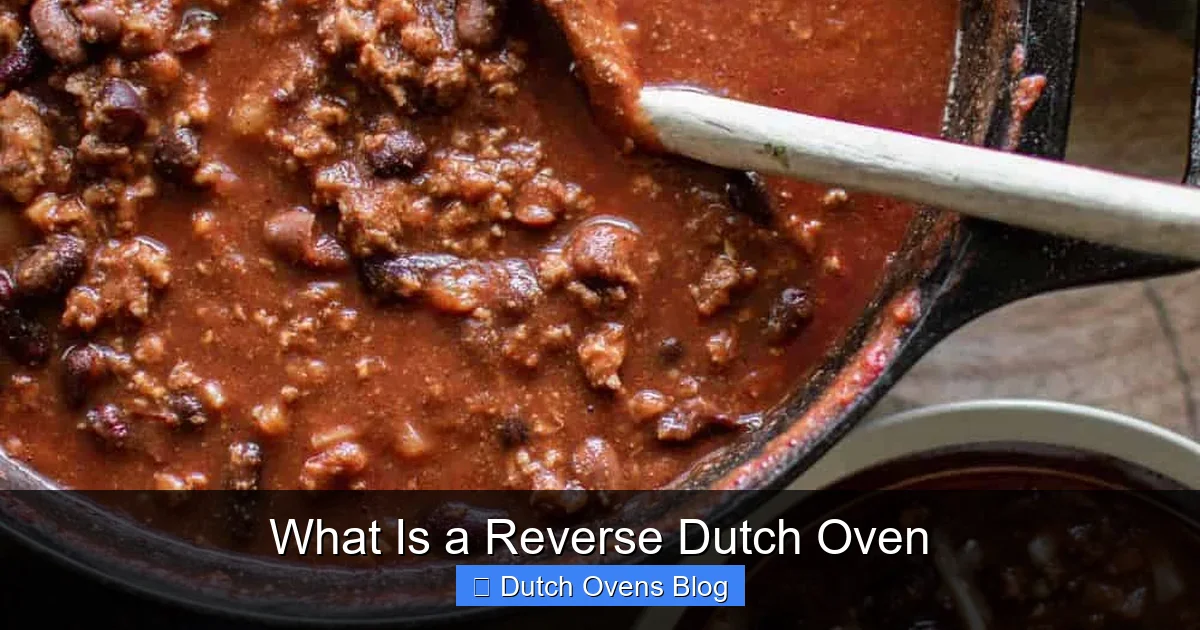
Visual guide about What Is a Reverse Dutch Oven
Image source: rockyhedgefarm.com
How It Differs from Traditional Dutch Oven Cooking
In traditional Dutch oven cooking, coals or heat sources are placed both beneath and on top of the pot. This creates an even heat environment that cooks food from all sides. The reverse Dutch oven, however, focuses more on the heat coming from below, allowing for a different cooking dynamic. This can lead to crisper bottoms on baked goods and a different texture in roasted foods.
Why the Name “Reverse”?
The term “reverse” comes from flipping the heat application—where usually Dutch ovens get heat on top to mimic an oven’s top heat, the reverse method skips or reduces this top heat. Sometimes the lid itself is designed to be used as a griddle or frying pan, adding to the versatility.
The Benefits of Using a Reverse Dutch Oven
Even Heat Distribution
One of the main advantages is how heat is distributed. Applying heat mainly from below allows for a more controlled cooking process, especially useful when baking bread or slow-roasting meats. The pot’s thick walls help spread heat evenly, preventing burning or hot spots.
Crispier Crusts and Better Browning
Because the top stays cooler or is used differently, items like bread develop a wonderfully crisp bottom crust without overcooking the top. This is perfect for artisan bread lovers who want that perfect crunch and chew.
Energy Efficiency
Using heat mostly from below can save fuel when cooking outdoors, since you don’t have to maintain coals or flames on top. This makes it a practical choice for campers and backpackers.
Versatility in Cooking Styles
The reverse Dutch oven allows you to sear, fry, bake, and roast with one tool. Some designs even feature lids that double as skillets, maximizing your cooking options.
How to Use a Reverse Dutch Oven: Practical Tips
Setting Up Your Cooking Station
For outdoor cooking, prepare a bed of hot coals or embers. Place your Dutch oven on a stable surface over the coals. Avoid putting coals on the lid unless your recipe calls for it. This setup provides the reverse heat effect.
Choosing the Right Dutch Oven
Cast iron Dutch ovens with thick bases work best. Some manufacturers now offer specialized reverse Dutch ovens with flat lids designed for cooking on top separately.
Cooking Techniques
- Baking Bread: Use the reverse method to get a crispy bottom crust. Preheat your pot over coals, then place dough inside and cover with the lid (without coals on top).
- Roasting Meat: Slow roast with coals beneath and lid closed to keep moisture in, creating tender and juicy results.
- Sautéing/Frying: Use the lid as a frying pan on the fire, making use of the entire cooking set.
Maintaining Temperature
Because all heat comes from below, keeping a consistent temperature is key. Add or remove coals as needed to avoid burning or undercooking.
Reverse Dutch Oven vs. Traditional Dutch Oven: Which One Should You Choose?
Cooking Style Preferences
If you love slow-cooked stews and want even heat all around, the traditional method may be best. But if you prefer baking or roasting with a crisp edge, the reverse Dutch oven technique shines.
Outdoor vs. Indoor Use
Traditional Dutch ovens work well in ovens and campfires alike. Reverse Dutch ovens excel in outdoor settings where controlling top heat is tricky or unnecessary, like campfires or grills.
Ease of Use and Equipment
Traditional Dutch ovens require coals or heat both above and below, meaning more equipment. Reverse Dutch ovens simplify this by focusing heat beneath the pot, reducing gear and setup time.
Popular Recipes for Reverse Dutch Oven Cooking
Artisan Campfire Bread
Use your reverse Dutch oven to bake crusty bread with a perfect bottom crust. Preheat your pot over coals, place the dough inside, cover with the lid, and bake until golden.
Slow-Roasted Chicken
Season a whole chicken, place it in the pot, and cook slowly over embers beneath. The reverse heat locks in moisture and produces tender meat with a crispy bottom skin.
Vegetable Stews and Braises
Cook root vegetables and meats slowly for deep flavor development. The reverse Dutch oven keeps the stew warm and evenly cooked without burning.
Cleaning and Caring for Your Reverse Dutch Oven
Cleaning Tips
Allow the pot to cool before cleaning. Use warm water and a brush or sponge to remove food residue. Avoid harsh detergents that can damage cast iron seasoning.
Seasoning Your Dutch Oven
Regularly season your cast iron Dutch oven by applying a thin layer of oil and heating it. This keeps the surface non-stick and protects against rust.
Storage Advice
Store your Dutch oven in a dry place with the lid slightly ajar to prevent moisture buildup and rust.
Conclusion: Embrace the Reverse Dutch Oven for Your Next Cooking Adventure
The reverse Dutch oven is more than just a cooking method—it’s a way to explore new flavors and textures while simplifying your outdoor and home cooking. By applying heat mainly from underneath, this technique offers unique benefits, especially for baking and roasting.
Whether you’re a seasoned camper, a bread enthusiast, or someone looking to diversify your cooking tools, the reverse Dutch oven is worth a try. With its versatility, efficiency, and delicious results, it might just become your new favorite kitchen companion.
So next time you gather around the campfire or plan a hearty meal at home, consider flipping the script with the reverse Dutch oven method. Your taste buds will thank you!
🎥 Related Video: Why a Dutch Oven is Not a Pot #halloweenwithshorts #shorts
📺 Cooking At Pam’s Place
Why a Dutch Oven is MOT a Pot #shorts @shortsexcellence Subscribe if you have a dutch oven Come with me I’ll show you what …
Frequently Asked Questions
What exactly is a reverse Dutch oven?
A reverse Dutch oven is a cooking method where heat is applied mainly from below the pot rather than from both the top and bottom. This technique changes how food cooks, often resulting in crispier bottoms and even heat distribution.
Can I use a regular Dutch oven for reverse Dutch oven cooking?
Yes, most cast iron Dutch ovens can be used for reverse Dutch oven cooking. The key difference is how you apply the heat—focusing heat beneath the pot and not placing coals or heat on the lid.
What types of food are best cooked in a reverse Dutch oven?
Bread, roasted meats, and slow-cooked stews are excellent choices. The reverse heat method is especially good for baking bread with a crispy crust and roasting meats with tender interiors.
Is reverse Dutch oven cooking suitable for indoor use?
While it’s primarily popular for outdoor cooking over coals or campfires, you can mimic the effect indoors using stovetops or ovens by applying heat mainly from below and avoiding top heat.
How do I maintain the right temperature when using a reverse Dutch oven outdoors?
Monitor your coals or embers carefully. Add more coals underneath to increase heat or remove some to lower it. Maintaining steady heat is crucial for even cooking.
Does the reverse Dutch oven require special equipment?
No special Dutch oven is required, but some models come with lids designed to double as frying pans or griddles, enhancing versatility. Otherwise, a standard cast iron Dutch oven works well.
