What Is a French Oven

A French oven is a heavy-duty, versatile cooking pot often made of cast iron and coated with enamel. It’s perfect for slow-cooking, braising, baking, and more. Its ability to retain and evenly distribute heat makes it a favorite among home cooks and chefs alike.
Key Takeaways
- Definition: A French oven is a cast iron pot with an enamel coating, designed for versatile cooking.
- Heat retention: It holds and distributes heat evenly, ideal for slow-cooking and braising.
- Versatility: Suitable for stovetop and oven use, perfect for soups, stews, roasts, and baking.
- Durability: Built to last for decades with proper care and maintenance.
- Easy cleaning: The enamel surface prevents rust and requires less seasoning than traditional cast iron.
- Popular brands: Le Creuset and Staub are well-known makers of French ovens.
- Investment piece: Though pricier than regular pots, it offers excellent value for its multi-functionality and longevity.
📑 Table of Contents
What Is a French Oven?
If you love cooking hearty meals and appreciate cookware that lasts a lifetime, you’ve likely heard of a French oven. But what exactly is it? Simply put, a French oven is a type of heavy-duty cooking pot made from cast iron and coated with a smooth layer of enamel. This unique combination makes it incredibly durable and versatile in the kitchen.
French ovens are known for their excellent heat retention and distribution. This means your food cooks evenly without hot spots, perfect for slow simmering stews, braising meats, or baking artisan bread. Whether you’re a beginner or a seasoned cook, this pot can become one of your most trusted kitchen companions.
In this article, we’ll explore everything you need to know about French ovens — from their history and construction to practical uses and care tips. By the end, you’ll understand why so many home chefs swear by this timeless piece of cookware.
The History of the French Oven
Origins and Evolution
The French oven traces its roots back to the 18th century in France, where cast iron cookware was first crafted for cooking over open fires and hearths. The heavy cast iron pots were ideal for slow-cooking meals that required steady heat for hours.
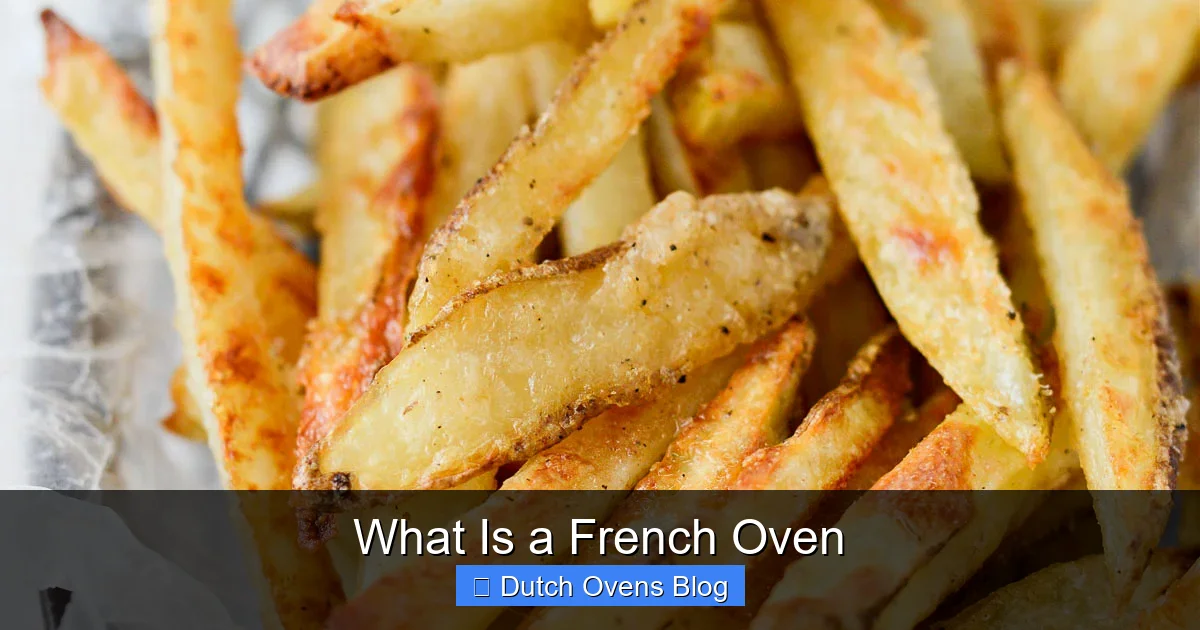
Visual guide about What Is a French Oven
Image source: simplyscratch.com
In the early 20th century, the French company Le Creuset introduced enameled cast iron cookware, revolutionizing the traditional French oven. The enamel coating made the pot easier to clean and maintain, while preserving the heat retention qualities of cast iron. This innovation made the French oven accessible to a wider audience beyond professional kitchens.
Why “French” Oven?
The name “French oven” comes from its origins in France and the classic design that remains rooted in French culinary tradition. These pots are sometimes called Dutch ovens in other regions, but French ovens typically refer to enameled cast iron versions made in the French style.
Construction and Design Features
Material: Cast Iron Base
The core of a French oven is cast iron, a dense metal that holds heat incredibly well. This allows the pot to maintain a steady temperature for long periods, which is ideal for dishes that benefit from slow cooking.
Enamel Coating
The exterior and interior of French ovens are coated with enamel, a smooth glass-like finish. This not only prevents rust but also eliminates the need for seasoning the pot like traditional cast iron. The enamel surface is non-reactive, so it won’t alter the taste of acidic foods like tomato sauce.
Design Elements
- Lid: Heavy, tight-fitting lids lock in moisture and flavor while cooking.
- Handles: Large, sturdy handles make it easy to lift the pot even when full.
- Shape: Typically round but sometimes oval, allowing for versatility depending on the dish.
How to Use a French Oven
Cooking Techniques
French ovens are incredibly versatile and can be used on the stovetop or in the oven. Here are some of the most popular ways to use them:
- Braising: Brown meat on the stovetop then slow-cook it covered with liquid for tender results.
- Stewing: Perfect for simmering soups and stews that develop rich flavors.
- Baking: Use it to bake bread with a crisp crust or casseroles that need even heat.
- Frying and Searing: The thick cast iron retains heat well for frying or searing meats.
Practical Tips
- Preheat your French oven gradually to prevent thermal shock to the enamel.
- Use wooden or silicone utensils to protect the enamel coating.
- Always cook with some liquid or fat to prevent sticking and preserve the enamel.
Benefits of Owning a French Oven
Exceptional Heat Retention
One of the biggest advantages is its ability to hold heat evenly for long periods. This makes a French oven perfect for recipes that require slow cooking or consistent oven temperatures.
Multi-Purpose Cookware
You can use a French oven for boiling, braising, roasting, baking, frying, and even steaming. This versatility means you can replace several pots and pans with just one.
Durability and Longevity
With proper care, a French oven can last for decades or even be passed down generations. The enamel coating protects the cast iron from rust and damage.
Easy Maintenance
Unlike traditional cast iron, French ovens don’t require seasoning. Cleaning is simple—just soak and hand wash with mild detergent.
Caring for Your French Oven
Cleaning Tips
- Allow the pot to cool before washing to avoid cracking the enamel.
- Use warm water, mild soap, and a soft sponge for cleaning.
- For stubborn stains, soak with baking soda and water or use a gentle scrubber designed for enamel.
Storage Advice
Store your French oven with the lid off or place a paper towel between the lid and pot to allow air circulation and prevent moisture build-up.
What to Avoid
- Never use metal utensils that can scratch the enamel.
- Avoid sudden temperature changes, like placing a hot pot in cold water.
- Don’t use abrasive cleaners or steel wool.
Choosing the Right French Oven for You
Size and Shape
French ovens come in various sizes, typically between 2 to 13 quarts. A 5 to 7-quart size is ideal for most families. Round shapes are great for soups and stews, while oval ones accommodate longer cuts of meat.
Brand Considerations
Le Creuset and Staub are two of the most popular brands, known for quality and durability. However, there are many affordable options from other manufacturers that still perform well.
Budget Tips
French ovens can be an investment. Look for sales or consider pre-owned options. Remember, a good French oven is a long-term kitchen investment that pays off over time.
Conclusion
A French oven is more than just a cooking pot; it’s a kitchen workhorse that can transform how you cook. Its unique combination of cast iron and enamel makes it durable, easy to maintain, and incredibly versatile. Whether you’re simmering stews, baking bread, or roasting meats, a French oven offers consistent heat and moisture retention, ensuring delicious results every time.
Investing in a French oven means adding a timeless, reliable tool to your kitchen that will serve you for years. With proper care and use, you’ll wonder how you ever cooked without it!
🎥 Related Video: Staub dutch oven size comparison
📺 Uncle Scott’s Kitchen
We compare the sizes of Staub enameled cast iron dutch ovens. #staub #unclescottskitchen.
Frequently Asked Questions
What is the difference between a French oven and a Dutch oven?
Both terms are often used interchangeably, but a French oven typically refers to an enameled cast iron pot made in the French style. Dutch ovens can be either cast iron or other materials and aren’t always enameled. The key difference is often the enamel coating and origin.
Can I use a French oven on induction cooktops?
Yes, French ovens made from cast iron are compatible with induction cooktops because cast iron is magnetic. Just make sure the bottom is flat for even contact.
How do I clean a French oven without damaging the enamel?
Use warm water, mild dish soap, and a soft sponge. Avoid abrasive scrubbers or harsh chemicals. For tough stains, soak with baking soda and water before gently scrubbing.
Is it safe to use metal utensils in a French oven?
It’s best to avoid metal utensils as they can scratch the enamel surface. Use wooden, silicone, or plastic utensils to protect the coating and prolong the pot’s life.
Can I use a French oven for baking bread?
Absolutely! French ovens are excellent for baking bread because they retain heat and moisture, creating a perfect crust and soft interior.
Do French ovens require seasoning like traditional cast iron?
No, because French ovens have an enamel coating, they don’t require seasoning. This makes them easier to care for than bare cast iron cookware.