Can All Dutch Ovens Go in the Oven

Not all Dutch ovens are created equal when it comes to oven use. While many are designed to handle oven heat, factors like material, lid type, and handle construction affect their oven safety. Understanding these differences ensures you use your Dutch oven safely and get the best cooking results.
Key Takeaways
- Material matters: Cast iron and enameled Dutch ovens are usually oven-safe, while some ceramic or aluminum ones may not be.
- Check lid and handle materials: Plastic knobs and silicone handles may limit oven temperature tolerance.
- Manufacturer guidelines are crucial: Always refer to the user manual for oven safety instructions and max temperatures.
- Temperature limits vary: Some Dutch ovens can withstand 500°F, others only up to 350°F or 400°F.
- Use care with non-stick coatings: Not all coatings tolerate high oven heat.
- Seasoned cast iron Dutch ovens are extremely oven-friendly: Great for searing, baking, and slow cooking.
- When in doubt, test carefully or use alternative cookware: Avoid damage or accidents by confirming oven safety first.
📑 Table of Contents
- Can All Dutch Ovens Go in the Oven?
- Understanding Dutch Oven Materials and Oven Safety
- The Role of Lids and Handles in Oven Safety
- Manufacturer Guidelines: Your Best Source of Truth
- Practical Tips for Using Your Dutch Oven in the Oven
- Common Mistakes to Avoid
- Conclusion: Can All Dutch Ovens Go in the Oven?
Can All Dutch Ovens Go in the Oven?
If you love cooking hearty stews, bread, or roasts, Dutch ovens are a kitchen staple. But one common question many ask is: can all Dutch ovens go in the oven? The short answer is no — not every Dutch oven is built to handle oven heat. Understanding the differences in materials, designs, and manufacturer instructions will help you use your Dutch oven safely and effectively.
In this article, we’ll dive deep into which Dutch ovens can go in the oven, what to watch out for, and practical tips to get the most out of your cookware. Whether you’re a beginner or seasoned cook, knowing the oven safety of your Dutch oven is key to delicious meals and long-lasting equipment.
Understanding Dutch Oven Materials and Oven Safety
Cast Iron Dutch Ovens
Traditional cast iron Dutch ovens are famous for their durability and excellent heat retention. They are typically 100% oven-safe and can withstand very high temperatures — often up to 500°F or more. This makes them ideal for recipes requiring searing on the stovetop and then transferring to the oven for slow cooking or baking.
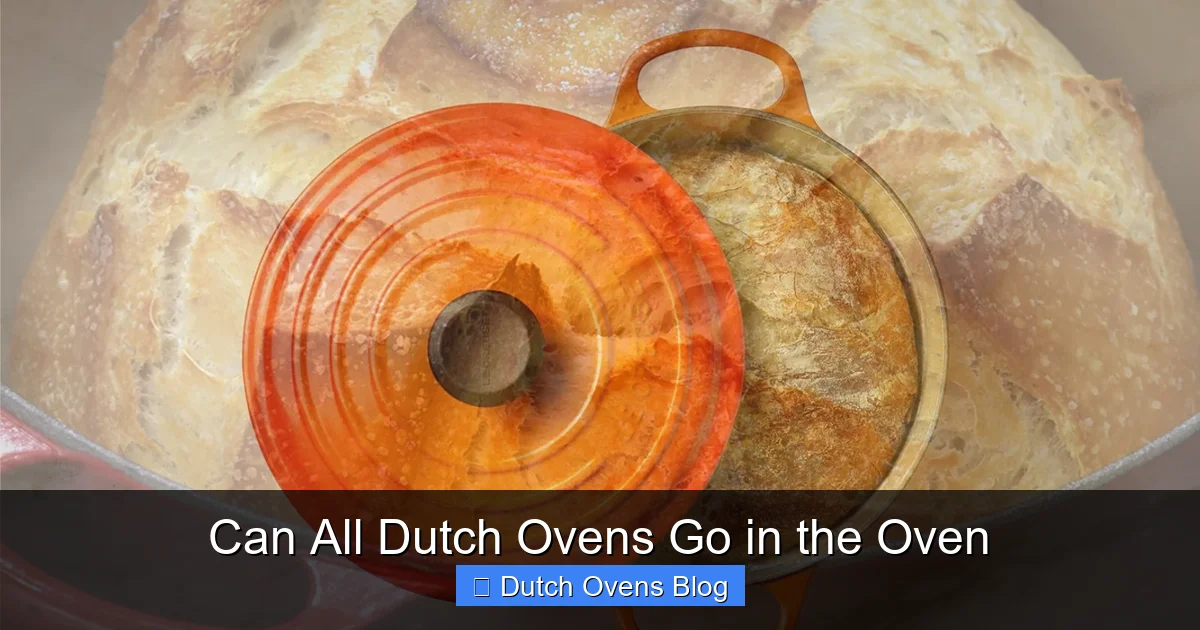
Visual guide about Can All Dutch Ovens Go in the Oven
Image source: dutchovenscookware.com
Seasoned cast iron Dutch ovens have a natural non-stick surface and are perfect for oven use. They don’t have coatings or plastic parts that could melt or get damaged by heat.
Enameled Cast Iron Dutch Ovens
Many modern Dutch ovens come with an enamel coating on cast iron. This enamel layer protects the iron and adds color variety. These are also generally oven-safe and can handle high temperatures, but it’s important to check the manufacturer’s max temperature — often around 450°F.
Enamel coating can chip if dropped, so handle with care. Oven use is safe, but avoid sudden temperature changes to prevent cracking.
Ceramic and Aluminum Dutch Ovens
Some Dutch ovens are made from ceramic or aluminum. Ceramic Dutch ovens are oven-safe but usually have lower max temperature limits (around 350°F to 400°F). They are great for slow cooking but may not be ideal for searing at very high heat.
Aluminum Dutch ovens often come with non-stick coatings. These coatings can be sensitive to high heat, so always verify if the product is rated for oven use and at what temperature.
The Role of Lids and Handles in Oven Safety
Metal vs. Plastic Knobs
The material of the lid knob or handle can limit oven use. Metal knobs and handles are usually safe for oven temperatures up to 500°F, but plastic knobs can melt or degrade at much lower temperatures, around 350°F.
Some Dutch ovens feature removable knobs so you can swap plastic ones for metal replacements if you want to use the oven at higher heat.
Silicone and Rubber Handles
Silicone handles are designed to resist heat but often have temperature limits around 400°F. Rubberized handles may not be oven-safe at all. Make sure to check the product specs before putting your Dutch oven inside the oven.
Manufacturer Guidelines: Your Best Source of Truth
While general rules of thumb help, the best way to know if your Dutch oven can go in the oven is to check the manufacturer’s instructions. Most brands will specify:
- Whether the Dutch oven is oven-safe
- Maximum oven temperature
- Special care instructions
Ignoring these guidelines can lead to damaged cookware or even kitchen accidents.
Practical Tips for Using Your Dutch Oven in the Oven
Start with Room Temperature Cookware
Avoid putting a cold Dutch oven directly into a hot oven. Let it warm gradually to prevent thermal shock, especially with enameled and ceramic varieties.
Use Oven Mitts and Handle with Care
Always use oven mitts when removing your Dutch oven from the oven. Handles can get very hot, especially metal ones that conduct heat well.
Consider Lid Removal for High-Heat Cooking
If your lid has plastic knobs or other heat-sensitive parts, remove it while cooking at high temperatures. This helps prevent melting or warping.
Replace Plastic Knobs if Needed
Many brands sell metal replacement knobs for their Dutch ovens. Switching these out gives you more flexibility to cook at higher oven temperatures safely.
Common Mistakes to Avoid
- Assuming all Dutch ovens can go in the oven without checking the specifics.
- Using plastic-handled lids at high temperatures.
- Exposing enameled Dutch ovens to sudden temperature changes.
- Ignoring manufacturer warnings about max temperature limits.
Conclusion: Can All Dutch Ovens Go in the Oven?
Not all Dutch ovens are created equal when it comes to oven use. Most cast iron and enameled cast iron Dutch ovens are oven-safe and perfect for a variety of cooking methods, including baking, roasting, and slow cooking. However, materials like ceramic, aluminum, and plastic components can limit oven use.
The key takeaway is to always check your specific Dutch oven’s manufacturer guidelines before putting it in the oven. Pay close attention to lid and handle materials, temperature limits, and care instructions. With the right Dutch oven and proper use, you can create delicious, oven-cooked meals with confidence and ease.
🎥 Related Video: Why a Dutch Oven is Not a Pot #halloweenwithshorts #shorts
📺 Cooking At Pam’s Place
Why a Dutch Oven is MOT a Pot #shorts @shortsexcellence Subscribe if you have a dutch oven Come with me I’ll show you what …
Frequently Asked Questions
Can I put a plastic-handled Dutch oven in the oven?
Plastic handles generally cannot withstand high oven temperatures and may melt or warp. Check your Dutch oven’s instructions; if unsure, avoid oven use or replace the plastic knob with a metal one.
Are enameled Dutch ovens safe to use in the oven?
Yes, most enameled cast iron Dutch ovens are oven-safe and can handle temperatures up to around 450°F. Always verify the manufacturer’s maximum temperature rating to be safe.
What is the highest temperature a cast iron Dutch oven can handle?
Traditional cast iron Dutch ovens can usually withstand very high heat, often up to 500°F or more, making them excellent for oven cooking and searing.
Can I use my Dutch oven to bake bread in the oven?
Absolutely! Many people use cast iron or enameled Dutch ovens to bake artisan bread. Their excellent heat retention helps create a crispy crust and moist interior.
Is it safe to put a ceramic Dutch oven in the oven?
Ceramic Dutch ovens are generally oven-safe but have lower temperature limits, usually around 350°F to 400°F. Avoid sudden temperature changes to prevent cracking.
How can I tell if my Dutch oven is oven-safe?
Check the manufacturer’s instructions or product details. Look for oven-safe symbols or temperature limits listed on the packaging or manual.