Why Are Dutch Ovens So Popular

Dutch ovens have become a beloved kitchen staple due to their unmatched versatility and durability. From slow-cooking stews to baking bread, these pots offer reliable performance and timeless appeal that keep cooks coming back for more.
Key Takeaways
- Versatility: Dutch ovens can be used for a wide range of cooking methods, including baking, roasting, frying, and simmering.
- Durability: Made from heavy cast iron, Dutch ovens last for decades and can withstand high temperatures.
- Even Heat Distribution: Their thick walls and heavy lids ensure consistent heat, preventing hot spots.
- Retention of Moisture: The tight-fitting lid traps steam, keeping food moist and flavorful.
- Traditional and Modern Appeal: Dutch ovens blend classic design with contemporary cooking needs.
- Easy to Maintain: With proper care, enameled or seasoned cast iron Dutch ovens remain reliable and easy to clean.
- Perfect for All Skill Levels: Whether you’re a beginner or a seasoned chef, Dutch ovens simplify cooking processes.
📑 Table of Contents
Why Are Dutch Ovens So Popular?
If you’ve ever wandered through a kitchen store or scrolled through cooking blogs, you’ve probably noticed the Dutch oven’s quiet but steady presence. These heavy, often colorful pots have become more than just cookware—they’re kitchen icons. But why exactly do Dutch ovens enjoy such widespread popularity? The answer lies in their incredible versatility, durability, and the way they elevate everyday cooking.
In this article, we’ll dive deep into what makes Dutch ovens so special, explore their history, and share practical tips on how to get the most out of them. Whether you’re a seasoned chef or just starting your cooking journey, understanding the magic behind Dutch ovens will help you appreciate why they deserve a spot in your kitchen.
The History and Heritage of Dutch Ovens
Origins of the Dutch Oven
The Dutch oven dates back to the 17th century, with roots tracing to the Netherlands. Originally crafted from cast iron, these pots were designed to withstand open fires and bake bread efficiently. Early Dutch ovens were simple but sturdy, often featuring thick walls and tight-fitting lids to trap heat and moisture.
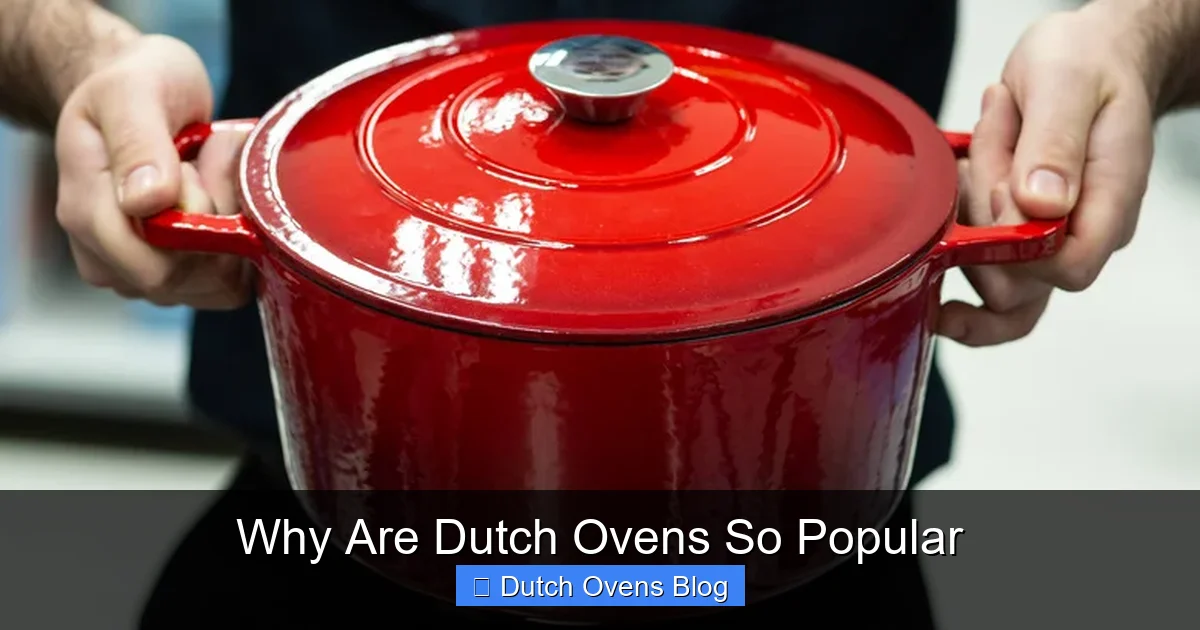
Visual guide about Why Are Dutch Ovens So Popular
Image source: thetakeout.com
Evolution Over Time
Over centuries, Dutch ovens evolved from plain cast iron pots to include enameled versions with vibrant colors. Their design was refined to suit modern stovetops and ovens, while maintaining the core benefits that made them popular. Today’s Dutch ovens marry traditional craftsmanship with contemporary practicality, making them timeless kitchen tools.
Unmatched Versatility in Cooking
Cooking Methods Made Easy
One of the biggest reasons Dutch ovens are so popular is their versatility. You can braise a tender pot roast, bake artisan bread, simmer soups, fry chicken, or even make desserts—all in one pot. This single piece of cookware replaces multiple kitchen items, saving space and simplifying meal prep.
From Stove to Oven Seamlessly
Dutch ovens perform well on the stovetop and inside the oven. Their heat-resistant materials allow you to sear meat on the burner, then transfer the pot to the oven for slow cooking without missing a beat. This flexibility means you can start and finish dishes in one vessel, reducing cleanup time.
Practical Example: Classic Beef Stew
Imagine making a hearty beef stew. You can brown the meat and sauté vegetables on the stove, then add broth and herbs, cover the Dutch oven, and pop it in the oven to simmer slowly. The result? A rich, deeply flavored stew with tender meat and perfectly cooked vegetables.
Durability That Lasts Generations
Cast Iron Strength
Dutch ovens are typically made from cast iron, a material known for its durability. Unlike thinner cookware, cast iron pots can handle high temperatures, resist warping, and last for decades—even with heavy use. Many families pass down their Dutch ovens as heirlooms.
Enameled vs. Traditional Cast Iron
Modern Dutch ovens often come with an enamel coating. This coating prevents rust and eliminates the need to season the pot regularly. While traditional cast iron requires ongoing care, enameled versions offer easier maintenance without sacrificing performance. Both types are remarkably long-lasting when cared for properly.
Care Tips for Longevity
- For traditional cast iron: Season regularly and avoid soaking in water.
- For enameled pots: Clean gently with non-abrasive sponges and avoid sudden temperature changes.
- Store in a dry place to prevent moisture buildup.
Even Heat Distribution and Retention
Why Heat Matters
Cooking evenly is key to great meals. Dutch ovens excel at distributing heat uniformly thanks to their thick cast iron construction. This prevents hot spots that can burn food or cause uneven cooking.
How the Lid Helps
The heavy, tight-fitting lid plays a crucial role. It traps steam and moisture, creating a self-basting environment inside the pot. This keeps food juicy and tender, especially for slow-cooked dishes like braises and stews.
Practical Tip: Baking Bread
Bakers love Dutch ovens for making crusty artisan bread. The pot’s even heat and moisture retention mimic a professional steam oven, giving bread a perfect crust and chewy interior. Just preheat the Dutch oven and bake your dough inside for bakery-quality results.
Timeless Design Meets Modern Convenience
Aesthetic Appeal
Dutch ovens come in a variety of colors and finishes, adding charm to any kitchen. Brands like Le Creuset and Staub offer vibrant options that can brighten your stovetop or dining table. Their classic shapes and bold hues make them both functional and beautiful.
Adaptable to Today’s Kitchens
These pots work well with gas, electric, induction stovetops, and ovens. They’re compatible with modern cooking gadgets, making them a versatile fit for any kitchen setup.
Storage and Size Options
Dutch ovens come in multiple sizes, from small 2-quart pots perfect for side dishes to large 7-quart versions suited for family meals. Their stackable design and durable build make them easy to store and use regularly.
Why Every Cook Needs a Dutch Oven
Perfect for All Skill Levels
Whether you’re just learning to cook or you’re a seasoned chef, Dutch ovens make cooking approachable. Their forgiving heat distribution helps prevent mistakes, and their all-in-one functionality simplifies complex recipes.
Saving Time and Effort
Using a Dutch oven reduces the number of pots and pans needed, meaning less time washing up. It also allows for “set-it-and-forget-it” cooking, giving you more freedom in your day without sacrificing meal quality.
Encouraging Creativity
With a Dutch oven, you can experiment with recipes you might otherwise avoid, like braises, roasts, or homemade bread. This encourages home cooks to try new dishes and expand their culinary skills.
Conclusion
So, why are Dutch ovens so popular? It’s a mix of tradition, practicality, and performance. Their versatility allows you to cook almost anything, their durability ensures they last a lifetime, and their design keeps food moist and flavorful. Whether you’re simmering soups, baking bread, or roasting meats, a Dutch oven is a reliable kitchen companion.
If you don’t have one yet, it’s worth investing in a quality Dutch oven. It will change the way you cook and inspire confidence in the kitchen. No wonder Dutch ovens have stood the test of time and remain a beloved staple in kitchens worldwide.
🎥 Related Video: Why is Le Creuset SO Popular?
📺 Levi Hildebrand
Le Creuset is a 100 year old brand known for their Dutch ovens that can cost upwards of $400. This cookware company was …
Frequently Asked Questions
What is a Dutch oven used for?
Dutch ovens are incredibly versatile and can be used for braising, roasting, baking, frying, and simmering. They’re great for making stews, soups, bread, and even desserts.
Are Dutch ovens good for baking bread?
Yes, Dutch ovens are excellent for baking bread because their thick walls and tight lids create a steamy environment that produces a crispy crust and soft interior.
Do Dutch ovens require special care?
Traditional cast iron Dutch ovens need seasoning and careful cleaning to prevent rust. Enameled versions are easier to maintain but should be cleaned gently and not exposed to sudden temperature changes.
Can I use a Dutch oven on any stovetop?
Most Dutch ovens work on gas, electric, and induction stovetops. Always check the manufacturer’s guidelines, but cast iron and enameled Dutch ovens are generally compatible with all common heat sources.
Why are Dutch ovens so heavy?
Dutch ovens are heavy because they’re made of thick cast iron, which helps distribute heat evenly and retain it for long periods. This heaviness also contributes to their durability and cooking performance.
Is an enameled Dutch oven better than a traditional one?
Both have benefits. Enameled Dutch ovens require less maintenance and don’t need seasoning, while traditional cast iron offers a natural non-stick surface when properly seasoned. The best choice depends on your cooking style and care preferences.