What Size Dutch Oven Should I Get

Choosing the right size Dutch oven can make all the difference in your cooking experience. Whether you’re feeding a family or cooking solo, this guide helps you pick the perfect size Dutch oven to match your meals, kitchen, and lifestyle.
Key Takeaways
- Consider your household size: Larger families need bigger Dutch ovens, while singles or couples can opt for smaller sizes.
- Think about meal types: The size depends on whether you cook stews, roasts, bread, or side dishes.
- Kitchen space matters: Make sure your Dutch oven fits in your storage and oven.
- Material impacts weight and heat retention: Cast iron is heavy but great for heat; enamel-coated options are easier to clean.
- Common sizes and their uses: 3-4 quart for small meals, 5-6 quart for families, 7+ quart for large gatherings.
- Versatility is key: A well-chosen Dutch oven serves multiple purposes, from baking bread to slow cooking.
- Budget considerations: Larger Dutch ovens cost more, but smaller sizes can be more affordable and practical.
📑 Table of Contents
- What Size Dutch Oven Should I Get?
- Understanding Dutch Oven Sizes
- How Many People Are You Cooking For?
- What Will You Be Cooking?
- Consider Your Kitchen Space and Storage
- Material and Weight Impact on Size Choice
- Practical Tips for Choosing the Right Size
- Conclusion: Finding Your Perfect Dutch Oven Size
What Size Dutch Oven Should I Get?
When it comes to Dutch ovens, size really does matter. Picking the right size can make your cooking easier, your meals tastier, and cleanup simpler. But with so many sizes available, how do you choose the perfect one? Whether you’re a beginner or a seasoned home chef, this guide will help you figure out exactly what size Dutch oven should I get for your kitchen and lifestyle.
From tiny 2-quart pots perfect for side dishes to massive 8-quart beasts that handle large roasts, Dutch ovens come in a variety of sizes. Understanding how each size fits your cooking habits, family needs, and kitchen space is key. Let’s dive into what to think about before making your choice.
Understanding Dutch Oven Sizes
What Does Size Mean in Quarts?
The size of a Dutch oven is usually measured in quarts (qt), which tells you how much it can hold. One quart equals roughly four cups or just under a liter. For instance, a 5-quart Dutch oven can hold about 20 cups of food or liquid. This measurement helps you gauge how much food you can cook in one go.
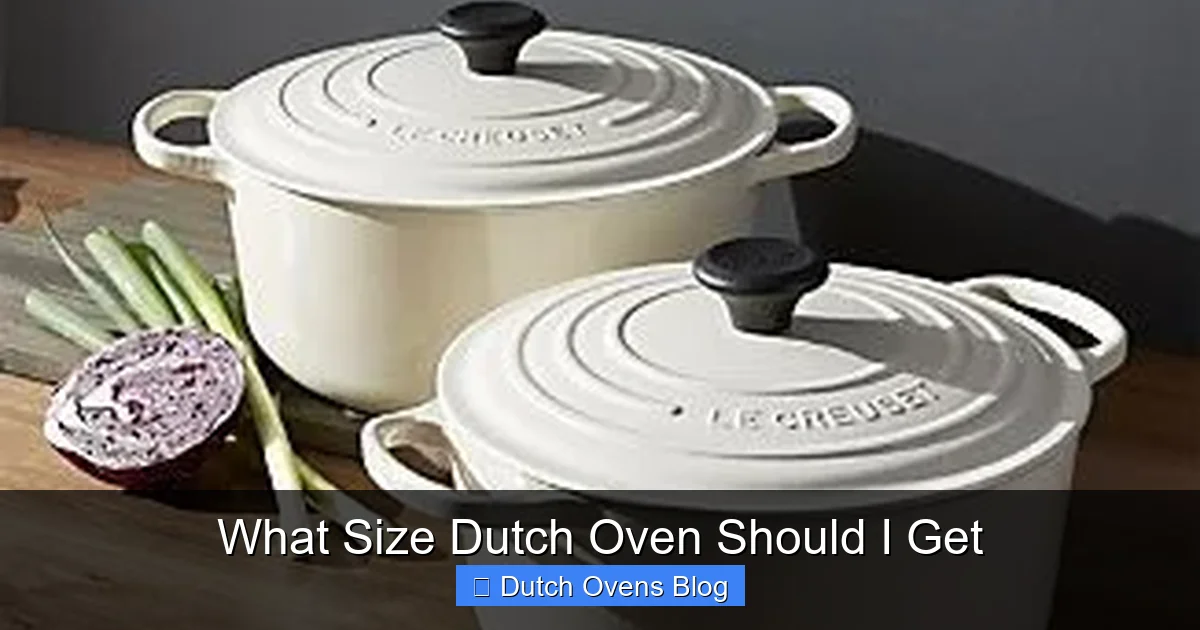
Visual guide about What Size Dutch Oven Should I Get
Image source: dutchovenscookware.com
Common Dutch Oven Sizes
- 2-3 quarts: Great for small side dishes, sauces, or cooking for one or two people.
- 4-5 quarts: The most popular size, ideal for families of 3-5 people and versatile enough for many recipes.
- 6-7 quarts: Perfect for larger families or those who love to entertain guests.
- 8 quarts and up: Best for big batches, like soups or stews for large groups or meal prepping.
How Many People Are You Cooking For?
Solo or Couple
If you mostly cook for one or two people, a smaller Dutch oven—around 2 to 3 quarts—is usually sufficient. It’s easier to handle, heats quickly, and won’t take up too much space. For example, a 3-quart Dutch oven is perfect for making chili, stew, or side dishes without leftovers.
Family of 3-5
The sweet spot for most families is a 5-quart Dutch oven. It’s versatile enough to cook a whole chicken, a pot roast, or a large stew. If you regularly cook for your family, this size gives you enough room to make enough food without wasting space or energy.
Larger Families or Entertaining
If you have a big family or often host dinner parties, consider a 6 to 8-quart Dutch oven. These larger sizes let you cook bigger meals, like a whole turkey or large batches of soup. Just remember, bigger Dutch ovens are heavier and take longer to heat up.
What Will You Be Cooking?
Stews, Soups, and Braises
For slow-cooked dishes like stews and roasts, a medium to large Dutch oven (5-7 quarts) is ideal. These dishes often need room for meat and veggies plus liquid to simmer. If you love batch cooking or freezing meals, go for a larger size.
Baking Bread
Dutch ovens are fantastic for baking crusty artisan bread. For this, a 4-5 quart size works well, especially if you bake smaller loaves. Larger Dutch ovens can bake bigger loaves but might use more energy and take longer to preheat.
Side Dishes and Sauces
For smaller tasks like cooking rice, beans, or sauces, a 2-3 quart Dutch oven is perfect. It’s easy to maneuver and doesn’t waste heat or energy on small quantities.
Consider Your Kitchen Space and Storage
Oven and Stove Compatibility
Make sure your Dutch oven fits comfortably in your oven, especially if you plan to use it for baking or roasting. Some ovens have limited height or width, so measure your space before buying. Also, consider if it’s suitable for your stovetop, especially if you have an induction cooktop.
Storage Space
Dutch ovens, especially cast iron ones, are heavy and bulky. Think about where you will store yours. If your kitchen cabinets are tight on space, a smaller Dutch oven might be more practical. Alternatively, you can use it as a decorative piece on your stovetop or open shelves.
Material and Weight Impact on Size Choice
Cast Iron Dutch Ovens
Traditional cast iron Dutch ovens are heavy but excellent at retaining heat. Larger sizes can be quite heavy, making them harder to lift when full. If you have limited strength or mobility, a smaller size might be better.
Enamel-Coated Dutch Ovens
Enamel-coated Dutch ovens are easier to clean and often come in the same sizes as cast iron. They weigh slightly less but can still be bulky when large. Choose a size that balances your cooking needs with comfort handling.
Other Materials
You’ll also find Dutch ovens made from ceramic or lightweight metals. These tend to be lighter, which might influence your size choice if weight is a concern.
Practical Tips for Choosing the Right Size
Start Small if Unsure
If you’re new to Dutch ovens, starting with a 4-5 quart model is a safe bet. It’s the most versatile size and lets you experiment with different recipes without overwhelming your kitchen.
Think About Future Needs
Consider whether your family size might change or if you plan to entertain more often. If yes, investing in a slightly larger Dutch oven could save you money later.
Multiple Dutch Ovens
Some cooks prefer having two sizes: a small one for everyday meals and a larger one for special occasions. This setup offers maximum flexibility.
Check Recipe Recommendations
Look at your favorite recipes and note their Dutch oven size suggestions. This can guide you in picking a size that fits your cooking style.
Conclusion: Finding Your Perfect Dutch Oven Size
Choosing what size Dutch oven should I get depends on your household, cooking habits, kitchen space, and personal preferences. A 5-quart Dutch oven is the most popular and versatile size, suitable for most people. Smaller sizes work well for singles or side dishes, while larger sizes suit big families or entertaining.
Remember, the best Dutch oven is the one you’ll use often. Think about your routine, meals you love to cook, and how much storage space you have. With the right size Dutch oven, you’ll enjoy cooking hearty meals with ease and style for years to come.
Happy cooking!
🎥 Related Video: What Size Dutch Oven Should You Get?
📺 MQ
In this video I quickly discuss what is the ideal size Dutch Oven.
Frequently Asked Questions
What size Dutch oven is best for a family of four?
A 5-quart Dutch oven is ideal for a family of four. It provides enough space to cook meals like roasts, stews, and casseroles without being too bulky or heavy.
Can I use a small Dutch oven for baking bread?
Yes, a 4-5 quart Dutch oven works well for baking small to medium-sized loaves of bread. It retains heat evenly, creating a crispy crust.
Is a bigger Dutch oven always better?
Not necessarily. While bigger Dutch ovens hold more food, they can be heavy and take longer to heat. Choose a size that matches your cooking volume and ease of handling.
Will a Dutch oven fit on any stovetop?
Most Dutch ovens work on gas, electric, and induction stovetops, but check the manufacturer’s details. Also, ensure the size fits comfortably on your stovetop burners.
How heavy are large Dutch ovens?
Large cast iron Dutch ovens (6-8 quarts) can weigh between 10 to 15 pounds or more. Consider your ability to lift and maneuver them safely when full.
Can I use a Dutch oven for everyday cooking?
Absolutely! Dutch ovens are versatile and durable, perfect for daily meals like soups, stews, rice, and even frying. Choosing the right size makes everyday cooking more convenient.