
How to Bake Sourdough in Dutch Oven Without Parchment

Baking sourdough in a Dutch oven without parchment paper is easier than you think. This guide shows you how to prepare, bake, and achieve a beautiful crust using simple methods and practical tips. Say goodbye to parchment and hello to a perfectly baked loaf!
Key Takeaways
- Use a well-seasoned Dutch oven: A properly seasoned cast iron pot prevents sticking and ensures even heat distribution.
- Preheat your Dutch oven thoroughly: This helps create steam and a crispy crust without parchment paper.
- Use flour or cornmeal as a barrier: Dust your Dutch oven or dough to prevent sticking.
- Gentle handling is key: Carefully transfer your dough to avoid tearing or sticking.
- Score your dough properly: Scoring helps control oven spring and improves crust texture.
- Use a lid during initial baking: Traps moisture for a perfect crust, then remove to brown the loaf.
- Cool your bread thoroughly: Letting it rest ensures the crumb sets and flavor develops.
How to Bake Sourdough in Dutch Oven Without Parchment
Baking sourdough bread at home can be deeply satisfying. Using a Dutch oven is a popular method because it mimics a professional steam-injected oven. However, many recipes call for parchment paper to prevent sticking. What if you don’t have parchment? No worries! In this guide, you’ll learn step-by-step how to bake sourdough in a Dutch oven without parchment paper, achieving a beautiful crust and soft crumb every time.
Why Bake Sourdough in a Dutch Oven?
The Dutch oven traps steam, creating a moist environment that helps your sourdough dough rise fully and develop a crispy, golden crust. It’s almost like having a professional bakery oven at home. Plus, it’s simple and requires minimal equipment.
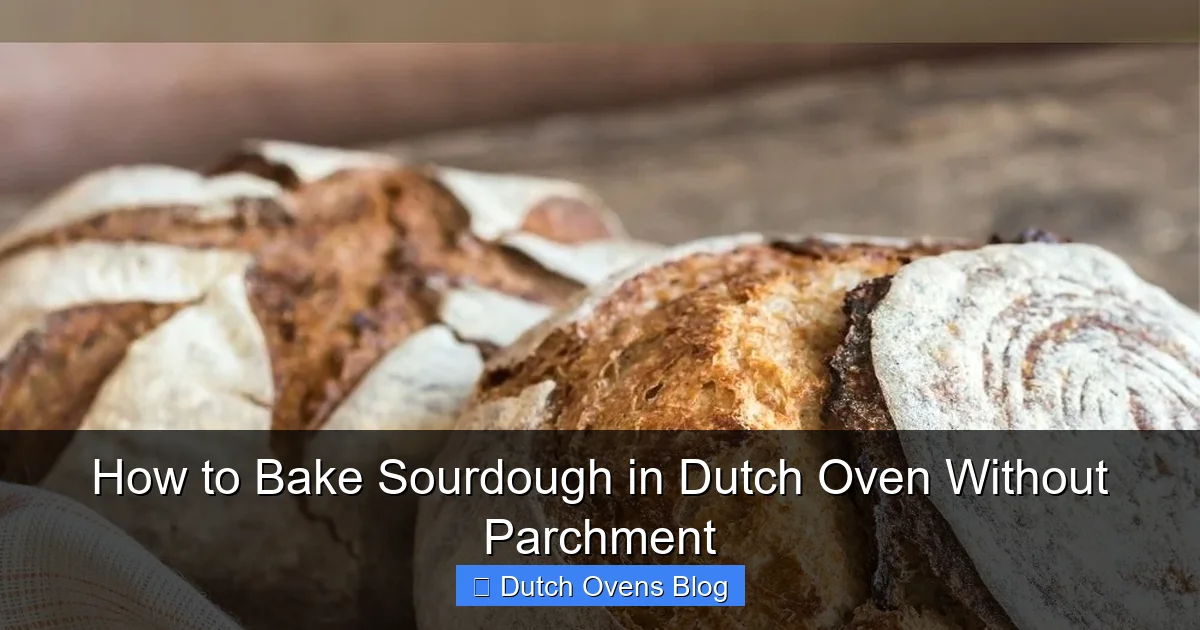
Visual guide about How to Bake Sourdough in Dutch Oven Without Parchment
Image source: pantrymama.com
What You’ll Need
- Well-seasoned Dutch oven (preferably cast iron)
- Sourdough dough ready to bake
- Flour or cornmeal
- Bread lame or sharp knife for scoring
- Oven mitts
- Cooling rack
Step 1: Prepare Your Dutch Oven
Before you bake, make sure your Dutch oven is clean and well-seasoned. A well-seasoned cast iron pot has a natural non-stick surface, which reduces the risk of your sourdough sticking to the pot.
How to Season Your Dutch Oven
- Clean the pot thoroughly with warm water and a brush (avoid soap if possible).
- Dry it completely.
- Apply a thin layer of vegetable oil or flaxseed oil all over the interior.
- Place the Dutch oven upside down in a 450°F (232°C) oven for 1 hour.
- Let it cool in the oven.
Repeat this process if your pot is new or sticky. Proper seasoning is key when baking without parchment.
Step 2: Preheat Your Dutch Oven
Place your empty Dutch oven with its lid inside your cold oven. Preheat the oven to 450°F (232°C) and let it heat for at least 30-45 minutes. This ensures the pot is hot enough to create steam and bake your loaf evenly.
Step 3: Prepare Your Dough for Baking
While the Dutch oven heats, get your sourdough dough ready.
Flour or Cornmeal Your Dough and Dutch Oven
Lightly dust your dough with flour to reduce stickiness. You can also use cornmeal, which adds a slight texture and helps prevent sticking.
Then, sprinkle a generous layer of flour or cornmeal inside the Dutch oven base. This layer acts as a barrier between your dough and the pot’s surface, preventing sticking when you transfer the dough.
Score Your Dough
Use a sharp bread lame or knife to make slashes on the dough surface. Scoring helps control how the bread expands during baking and adds an attractive pattern.
Step 4: Transfer the Dough to the Dutch Oven
This step can feel tricky without parchment, but with care, it’s easy.
Use a Floured Surface
Flour your work surface well. Place your dough on it and gently shape it into a round boule if not already shaped.
Transfer Quickly and Gently
Use your hands or a floured bench scraper to lift and place the dough into the preheated Dutch oven. Try to place it gently onto the floured or cornmeal-coated base to avoid tearing the dough.
Step 5: Bake Your Sourdough
Immediately cover the Dutch oven with its lid and place it back into the oven.
Bake Covered for Steam
Bake for 20-25 minutes with the lid on. The trapped steam helps the bread rise and develop a crisp crust.
Remove Lid for Browning
After 20-25 minutes, carefully remove the lid to let the crust brown. Bake uncovered for another 15-20 minutes until the loaf is deep golden and sounds hollow when tapped.
Step 6: Cool Your Bread
Once baked, carefully remove the loaf from the Dutch oven and place it on a cooling rack. Cooling is important because it allows the crumb to set and prevents it from becoming gummy.
Practical Tips for Success
- Use oven mitts or thick towels: The Dutch oven will be extremely hot.
- Don’t skip preheating: A hot pot is essential for steam and crust development.
- If dough sticks slightly: Use a thin spatula or bench scraper to gently loosen edges.
- Experiment with flour types: Whole wheat or rye flours can increase stickiness; adjust flour or cornmeal accordingly.
- Practice makes perfect: Your first loaf might stick a bit, but seasoning and dusting improve results over time.
Troubleshooting Common Issues
Dough Sticks to Dutch Oven
If your bread sticks, it might be due to insufficient seasoning or lack of flour/cornmeal barrier. Next time, add more flour or cornmeal and ensure your pot is well-seasoned.
Loaf Doesn’t Rise Properly
Make sure your dough is properly proofed before baking. Over-proofed or under-proofed dough won’t rise well in the oven.
Crust Too Hard or Too Soft
If the crust is too hard, try reducing baking time slightly or lowering oven temperature. If it’s too soft, bake uncovered for longer to dry out the crust.
Conclusion
Baking sourdough in a Dutch oven without parchment paper is not only possible but rewarding. By using a well-seasoned Dutch oven, dusting with flour or cornmeal, and handling your dough gently, you can achieve a beautiful crust and delicious loaf every time. Remember, patience and practice are key, so don’t be discouraged by initial hiccups. Soon, you’ll be enjoying fresh, homemade sourdough bread baked perfectly in your Dutch oven—no parchment needed!
🎥 Related Video: How to bake sourdough bread without Dutch Oven: open bake method
📺 Bakestreet Girl
