
How to Open Bake Sourdough Without Dutch Oven

Discover how to open bake sourdough without a Dutch oven in this detailed guide. You’ll learn simple, practical methods to create the perfect crust and texture using common kitchen tools and smart techniques. Enjoy baking delicious sourdough bread even without specialized equipment!
Key Takeaways
- Alternative baking vessels: Use baking stones, cast iron pans, or heavy-duty roasting pans as substitutes for Dutch ovens.
- Creating steam: Steam is essential for crust development; easily create it using water trays or spraying techniques.
- Preheating is crucial: Proper preheating of your baking surface ensures even heat distribution and better oven spring.
- Shaping and scoring: Proper dough shaping and scoring help control expansion and improve texture.
- Adjust baking times and temps: Adapt your baking settings based on your alternative method for best results.
- Troubleshooting tips: Learn how to fix common issues like pale crust or dense crumb without a Dutch oven.
- Patience and practice: Mastering open baking sourdough requires practice but is rewarding and accessible.
How to Open Bake Sourdough Without Dutch Oven
Baking sourdough bread at home is a rewarding experience, especially when you achieve that perfect crust and chewy crumb. Traditionally, a Dutch oven is used to replicate the steam and even heat needed for artisanal sourdough. But what if you don’t have one? Don’t worry! This guide will show you how to open bake sourdough without a Dutch oven using simple tools and techniques available in most kitchens.
You’ll learn about alternative baking vessels, steam creation methods, dough preparation, and troubleshooting to help you bake beautiful sourdough bread without specialty equipment.
Step 1: Prepare Your Dough Properly
Before worrying about the baking vessel, ensure your sourdough dough is well-prepared. The quality of your dough affects the final bread more than the baking method.
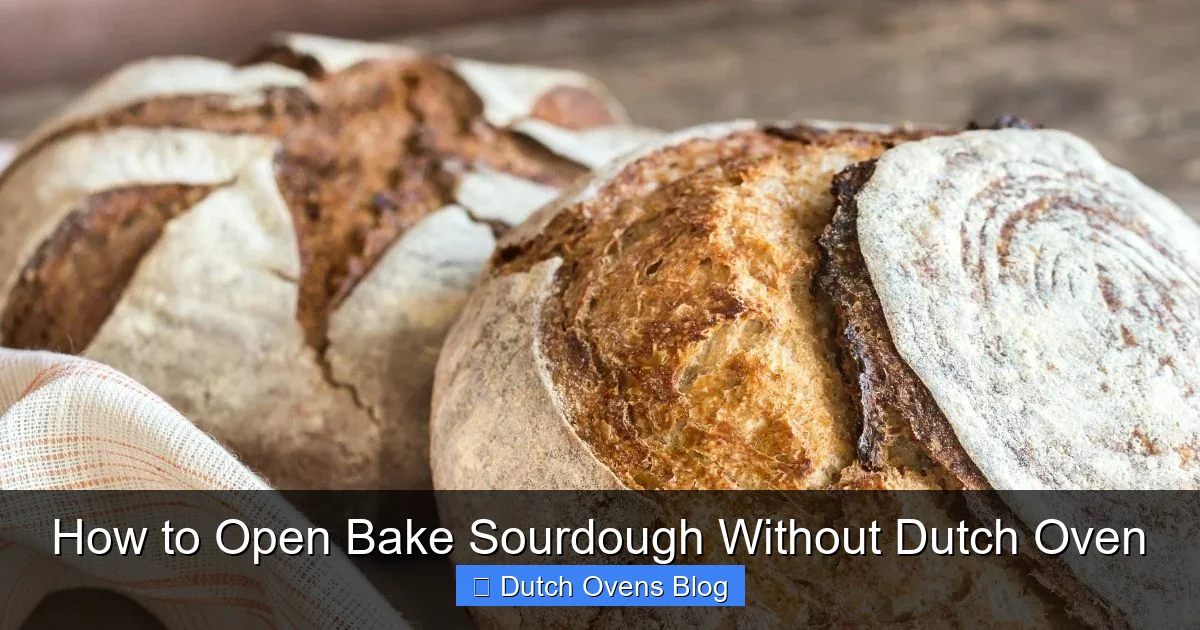
Visual guide about How to Open Bake Sourdough Without Dutch Oven
Image source: pantrymama.com
Mix and Autolyse
Combine your flour and water and let it rest for 30-60 minutes. This autolyse step helps develop gluten and makes the dough easier to handle.
Add Starter and Salt
Add your sourdough starter and salt after autolyse. Mix thoroughly and then perform stretch and folds to strengthen the dough.
Bulk Fermentation
Let the dough ferment for several hours at room temperature. This bulk fermentation allows the wild yeast and bacteria to develop flavor and structure.
Shape and Proof
Shape your dough into a tight ball or batard. Allow it to proof until it passes the poke test—when a gentle poke springs back slowly.
Step 2: Choose an Alternative Baking Vessel
Since you don’t have a Dutch oven, you can use these alternatives that mimic its heat retention and steam environment.
Baking Stone or Pizza Stone
A baking stone is ideal for conducting heat evenly. Place it on the oven rack and preheat the oven with the stone inside. This gives your bread a nice bottom crust.
Cast Iron Skillet or Pan
A heavy cast iron skillet can work as a baking vessel. You can place the dough directly on it or use it upside down as a lid for steam retention.
Heavy-duty Roasting Pan with Lid
If you have a roasting pan with a tight-fitting lid, it can substitute well. Preheat it in the oven and carefully transfer your dough inside.
Step 3: Create Steam in the Oven
Steam is essential for sourdough baking. It keeps the crust soft in the early stages, allowing the bread to expand fully before hardening.
Water Tray Method
Place a metal tray or pan at the bottom of your oven. When you put your bread in, pour a cup of hot water into the tray and quickly close the oven door to trap steam.
Spray Bottle Method
Use a spray bottle filled with water to mist the oven walls and bread right after placing the dough inside. Repeat a few times within the first 10 minutes.
Wet Towel or Ice Cubes
Placing a wet towel or a few ice cubes in a metal tray can also generate steam as the ice melts or the towel evaporates moisture.
Step 4: Preheat Your Oven and Baking Surface
Preheat your oven to a high temperature, typically between 475°F (245°C) and 500°F (260°C), for at least 30-45 minutes. This ensures your baking stone or alternative vessel is hot enough.
If using a baking stone, place it in the middle rack. For cast iron pans or roasting pans, preheat them along with the oven to replicate the heat retention of a Dutch oven.
Step 5: Transfer and Score the Dough
Use Parchment Paper or a Peel
To transfer your dough easily, shape it on a piece of parchment paper or use a bread peel dusted with flour or rice flour to prevent sticking.
Score the Dough
Use a sharp razor or bread lame to make shallow cuts on the dough surface. This helps control expansion and adds an artisanal look.
Step 6: Bake Your Sourdough
Initial Bake with Steam
Place the dough with parchment paper onto your preheated baking stone or pan. If you have a lid or cast iron skillet to cover, place it on top to trap steam.
Add steam using your chosen method (water tray, spray, etc.) and bake for 15-20 minutes.
Finish Baking Without Steam
Remove the lid or stop creating steam after the initial period. Lower the oven temperature to around 450°F (230°C) and continue baking for another 20-25 minutes until the crust is deep golden brown and crisp.
Step 7: Cool Properly
Once baked, transfer the bread to a cooling rack. Let it cool completely, at least 1 hour, to allow the crumb to set. Cutting too early can result in a gummy texture.
Practical Tips and Examples
- Use Rice Flour: Dust your peel or parchment paper with rice flour as it doesn’t burn easily and prevents sticking.
- Make a DIY Cloche: Use an inverted large metal mixing bowl to cover your dough on a baking sheet to trap steam.
- Try Aluminum Foil Tent: Tent your bread loosely with foil during the first baking phase to simulate a covered environment.
- Watch Your Oven Thermometer: Many ovens run hot or cold; use an oven thermometer to maintain accurate temperatures.
- Practice Makes Perfect: Experiment with timing, temperature, and steam methods to find what works best in your kitchen.
Troubleshooting Common Issues
Pale or Soft Crust
This often means insufficient steam or low oven temperature. Make sure your oven is preheated thoroughly and use steam methods effectively.
Dense or Gummy Crumb
Underbaking or cutting too early causes this. Extend baking time slightly and always cool bread completely before slicing.
Flat Loaf with Little Oven Spring
Possible reasons include over-proofing or weak gluten development. Adjust your fermentation times and perform proper stretch and folds.
Dough Sticks to Surface
Use plenty of flour or rice flour on your peel or parchment. Also, ensure your dough is well-shaped and not too wet.
Conclusion
Baking sourdough without a Dutch oven is entirely possible and can produce fantastic results. By using alternative baking vessels, creating steam cleverly, and following proper dough preparation and baking steps, you can enjoy crusty, flavorful sourdough bread right from your home kitchen.
Remember, patience and practice are key. Every oven is different, so experiment with these tips and find your perfect method. Soon, you’ll be confidently baking artisan sourdough without ever needing a Dutch oven!
🎥 Related Video: How to bake sourdough bread without Dutch Oven: open bake method
📺 Bakestreet Girl
