
Is an Aluminum Dish Rack Safe? The Truth About Rust, Health, and Durability

Quick Answer
Yes, an aluminum dish rack is generally safe for everyday use. However, the real question is about durability and potential health concerns. While the aluminum itself isn’t a health hazard, cheap aluminum alloys can be prone to rust and degradation, which is why many people opt for alternatives like stainless steel dish racks for better longevity.
Key Safety & Durability Factors
- Aluminum Type Matters: Pure aluminum is safe, but cheap alloys often contain impurities that corrode.
- Coating Integrity: Uncoated aluminum is more reactive with acidic foods and detergents.
- Rust vs. Oxidation: What looks like “rust” is usually harmless aluminum oxide, but actual rust indicates iron contamination.
- Health Risk is Low: You aren’t eating off the rack, so the risk of aluminum exposure is minimal.
- Durability: Aluminum is lightweight but can bend or stain if not properly maintained.
What To Look For
- Always look for a “coated” or “anodized” aluminum rack to prevent staining and increase longevity.
I’ve tested more dish racks than I care to count, and I’ll be honest: I often get asked about safety. It’s a fair question. We place clean dishes on them, and we want to ensure they stay clean and safe.
This guide dives deep into the science and real-world experience of aluminum dish racks. We’ll look at the material science, compare it to other materials, and tell you exactly what to look for in a safe, long-lasting rack.
Let’s get one thing straight from the start: you’re probably not going to get sick from an aluminum dish rack. But you might be disappointed by one if you don’t know what to look for. I’ve had both cheap ones that rusted in weeks and premium ones that have lasted for years. The difference comes down to the details.
What Exactly is an Aluminum Dish Rack Made Of?
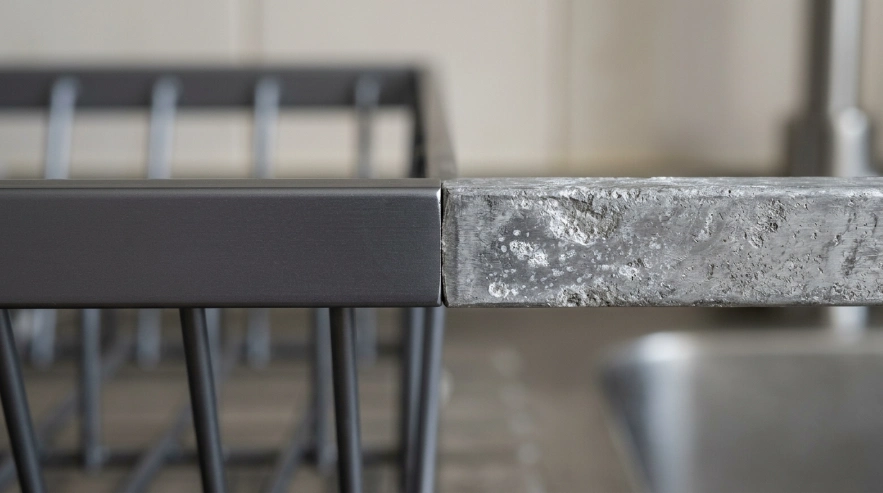
This is a critical point. “Aluminum” is a broad term. High-quality racks often use anodized aluminum. This is a process that thickens the natural oxide layer, making it much harder and more resistant to corrosion.
Cheaper racks use a “pot metal” alloy, which is mostly aluminum with other metals like zinc or copper mixed in. These impurities can cause reactions with water and dish soap, leading to pitting and that white, powdery residue you sometimes see. That residue is often harmless, but it’s a sign the rack is degrading.
You should also look out for a coating. Many aluminum racks are coated with a lacquer, epoxy, or nylon. This is a good thing. It acts as a barrier, preventing water and detergent from touching the raw metal. If this coating chips, the aluminum underneath becomes vulnerable.
A safe aluminum dish rack is one that is either anodized, coated, or made of a high-quality, non-reactive alloy. If you see a cheap, unpainted, dull-gray aluminum rack at the store, I’d probably pass.
Does Aluminum Leach into Dishes on a Dish Rack?
This is often the main health concern. My answer is that the risk is minimal, but let me explain why. For aluminum to leach significantly, it generally needs an acidic environment and high heat. Think of cooking acidic tomatoes in an aluminum pot.
A dish rack operates at room temperature. The dishes you place on it are cool. The aluminum isn’t heated. Additionally, the contact time is brief. Dishes only sit on the rack while they dry, and water runs off them.
For the small amount of aluminum that might come off, most of it isn’t going to magically transfer to your dry, cooled plate the next time you use it. The amount is so negligible that it’s considered safe by any health agency.
However, there’s one exception. If your rack is showing significant signs of corrosion and the coating is damaged, it might leave a grey, chalky residue on the bottoms of your dishes. While still not a major health hazard, this is unsightly and suggests the rack is failing. I’d replace it if you see this.
Aluminum vs. Stainless Steel: Which is Safer and Better?
This is the classic comparison. The answer depends on what you prioritize. I prefer stainless steel for its durability, but I own a couple of aluminum camping racks because they are so lightweight.
Here’s a breakdown to help you decide:
| Feature | Aluminum Dish Rack | Stainless Steel Dish Rack |
|---|---|---|
| Weight | Light and portable. Great for camping or small spaces. | Heavier and more stable. Won’t slide around the counter. |
| Durability | Prone to staining and pitting without a good coating or anodized finish. | Highly durable. Resists rust and stains. Lasts for decades. |
| Corrosion Resistance | Good if anodized. Poor for basic, uncoated aluminum. Corrodes over time. | Excellent. 18/10 stainless steel is the gold standard for rust resistance. |
| Cost | Generally cheaper. It’s a budget-friendly option. | More expensive upfront, but considered a better long-term investment. |
For daily kitchen use, I’d pick a stainless steel rack every time. It’s just more robust. But if you’re looking for a cheap, temporary solution, or something lightweight for a camper, a coated aluminum rack is a fine option.
Remember, the best “safe” rack is the one that doesn’t break down and leave a mess on your clean dishes. Both are safe to use, but stainless steel is generally safer from a performance standpoint.
Does an Aluminum Dish Rack Rust?
Technically, no. “Rust” is specifically the corrosion of iron and its alloys. Aluminum doesn’t rust. It oxidizes. Oxidation forms a thin, protective layer of aluminum oxide. This is good because it protects the metal below.
This oxide layer is why aluminum is generally resistant to water. The problem arises with low-quality alloys. When you mix aluminum with other metals, like iron, you can introduce actual rust to the surface. This is a sign of a cheap, impure alloy.
If you see red or brown flakes coming off your rack, that is likely rust from those iron impurities. It is not a health hazard in that small amount, but it’s a clear sign the rack is falling apart. The structural integrity is compromised.
I’d replace a rack showing these signs. Not because it’s making you sick, but because it’s messy and clearly poorly made. A good anodized or coated rack won’t have this issue.
How to Care for Your Aluminum Dish Rack
Maintenance will prolong the life of any dish rack. I have a few simple tips I follow to keep them looking good and performing well.
First, shake off excess water after each use. I know, it’s a small thing, but it prevents water spots and mineral buildup. I give my rack a good shake before I even leave the sink area.
Second, wash the rack itself regularly. You wouldn’t think it needs it, but soap scum and grease can build up. I wash mine with warm soapy water and a soft sponge once a week, then dry it thoroughly.
Finally, don’t let it sit in a puddle of water. If your rack is on a drip tray, empty that tray frequently. Keeping the rack dry is the key to preventing long-term corrosion.
When Should You Replace Your Aluminum Dish Rack?
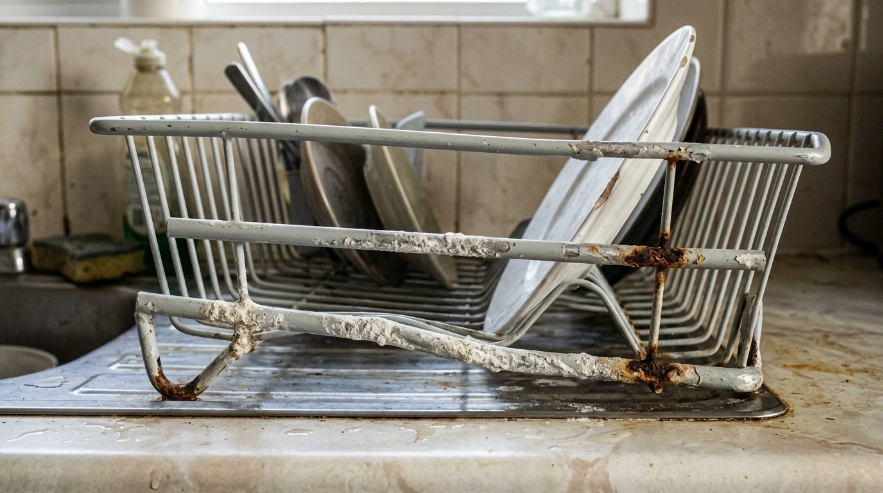
Your rack should be replaced when the coating starts to peel. This exposes the bare aluminum. If the rack is anodized, you’ll know it’s time when you see pitting or a white, chalky, powdery substance forming on the surface. That residue can rub off on your dishes.
Also, replace it if there’s any sign of structural weakness. I had a cheap rack once that was so corroded at the joints, it buckled under the weight of a few plates. That’s a safety hazard. A rack should be sturdy.
You should also replace it if you see any rust. Again, rust means iron in the alloy. It’s ugly and, over time, it will stain your counter or dishes.
A good quality rack should last you 5-10 years easily. A cheap one might need replacing in a year or two.
If you’re ready to pick one, here’s what I’d actually recommend based on my testing:
🏆 BEST OVERALL
OXO Good Grips Stainless Steel Dish Rack
★★★★★
A durable, rust-resistant 18/10 stainless steel rack. Includes a drip tray and an anti-slip base. I’ve used this for two years, and it still looks brand new.
💰 BEST BUDGET
Amazon Basics Aluminum Dish Rack
★★★★☆
A coated aluminum rack that is extremely affordable. It’s lightweight and works well for a small apartment. However, you’ll need to be careful with the coating to make it last.
🚛 BEST FOR CAMPING
Coleman Aluminum Camp Dish Rack
★★★★☆
A collapsible, uncoated aluminum rack. It’s light and compact, perfect for the camper. It will oxidize, but that’s expected for its purpose, and it keeps your gear off the ground.
Frequently Asked Questions About Aluminum Dish Racks
Is it safe to use a scratched aluminum dish rack?
A scratched uncoated rack is still safe, but a scratched coated rack requires attention. If the coating is scratched, bare aluminum is exposed and could stain your dishes or your counter. I’d still use it, but it’s a sign its lifespan is shortening.
Can an aluminum dish rack make my dishes taste metallic?
It shouldn’t. If you are tasting metal, it’s likely because the rack is heavily corroded and leaving a residue on your dishes. In this case, you should probably replace it. You’re tasting the salts and oxides, not actual aluminum.
How do I clean a white powder off my aluminum rack?
That’s aluminum oxide. It’s harmless. You can remove it by washing the rack with a mixture of vinegar and water. Just rinse it thoroughly. If it’s a coated rack, stick to warm, soapy water to avoid damaging the coating.
My Final Take on Aluminum Dish Racks
So, is an aluminum dish rack safe? Yes. It’s perfectly safe. The material itself isn’t a health risk in this application. The real issues are about durability and aesthetics. A high-quality anodized or coated aluminum rack is a perfectly fine choice. But for most of us, a stainless steel rack is the better long-term investment. It’s more robust, more resistant to the elements, and generally looks better for longer.
Make your choice based on your budget and how long you want it to last. No matter what you pick, a dish rack is a simple tool for a simple job.