
Rice cookers are completely safe for daily use when you understand their safety mechanisms and follow proper maintenance routines. This guide reveals the truth about daily rice cooker safety, covering material concerns, electrical protection, and food safety practices. You’ll learn practical steps to ensure your rice cooker remains a reliable kitchen companion for years.
Contents
- 1 Key Takeaways
- 2 Introduction: What You’ll Learn Today
- 3 How Rice Cookers Work: Understanding the Safety Mechanisms
- 4 The Science Behind Daily Rice Cooker Safety
- 5 Material Matters: What Your Rice Cooker is Made Of
- 6 Electrical Safety: Protecting Your Home and Family
- 7 Food Safety: Preventing Bacteria and Contamination
- 8 Daily Use Best Practices for Maximum Safety
- 9 Cleaning and Maintenance: Your Safety Routine
- 10 When to Replace Your Rice Cooker
- 11 Troubleshooting Common Safety Concerns
- 12 Conclusion: Making Informed Daily Use Decisions
Key Takeaways
- Built-in safety features: Modern rice cookers have multiple automatic shut-off mechanisms and pressure regulators that make them safe for regular use.
- Material safety: Most non-stick coatings are PFOA-free and safe, but proper care extends their life and prevents potential health concerns.
- Food safety matters: The keep-warm function is safe for up to 12 hours, but proper storage practices prevent bacterial growth.
- Regular maintenance: Cleaning after each use and checking for wear prevents safety hazards and extends appliance life.
- Electrical safety: Using grounded outlets and avoiding water contact with electrical components prevents shocks and fires.
- Replacement timeline: Most rice cookers last 5-7 years with daily use before safety features may degrade.
Introduction: What You’ll Learn Today
You use your rice cooker almost every day. Maybe you cook rice, steam vegetables, or even make oatmeal in it. But have you ever stopped to wonder if this daily habit is actually safe? You’re not alone. Many home cooks ask: “Are rice cookers safe to use daily?” The answer isn’t just yes or no. It depends on several factors that we’ll explore together.
In this guide, you’ll discover the truth about rice cooker safety. We’ll look at the built-in safety features that protect you. We’ll examine the materials that make up your cooker. We’ll discuss food safety and how to prevent bacteria. And we’ll give you practical, step-by-step instructions for safe daily use. By the end, you’ll feel confident about using your rice cooker every single day.
How Rice Cookers Work: Understanding the Safety Mechanisms
Before we dive into safety concerns, let’s understand what makes your rice cooker tick. This knowledge helps you see why these appliances are designed to be safe for regular use.
Visual guide about Are Rice Cookers Safe to Use Daily The Truth Revealed
Image source: twinstripe.com
The Basic Science Behind Rice Cooking
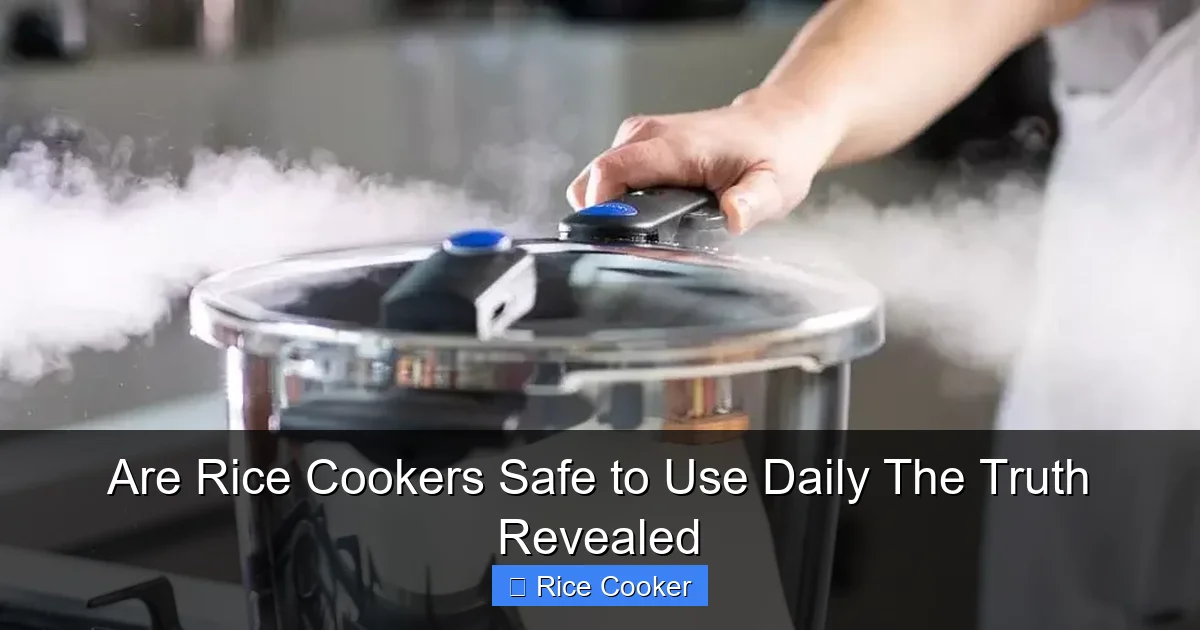
Rice cookers work on a simple principle. They use heat to boil water absorbed by rice grains. Once the water is gone, the temperature rises above 212°F (100°C). This triggers a thermostat that switches the cooker from “cook” to “warm.” This automatic shut-off is your first line of safety defense.
Built-In Safety Features You Can Trust
Modern rice cookers come packed with safety mechanisms:
- Thermostats: These sensors monitor temperature and prevent overheating
- Pressure release valves: In pressure rice cookers, these release excess steam safely
- Fuse protection: Electrical fuses prevent power surges from damaging the unit
- Cool-touch exteriors: Outer surfaces stay safe to touch during operation
- Auto shut-off timers: Some models turn off completely after a set warming period
These features work together to make rice cookers one of the safest small appliances in your kitchen. They’re designed specifically for daily, repeated use.
The Science Behind Daily Rice Cooker Safety
Let’s address the core question directly. Yes, rice cookers are scientifically designed to be safe for daily operation. Manufacturers test them extensively for this exact purpose. But safety depends on proper usage and maintenance.
Visual guide about Are Rice Cookers Safe to Use Daily The Truth Revealed
Image source: kitchencuddle.com
Heat Distribution and Material Stability
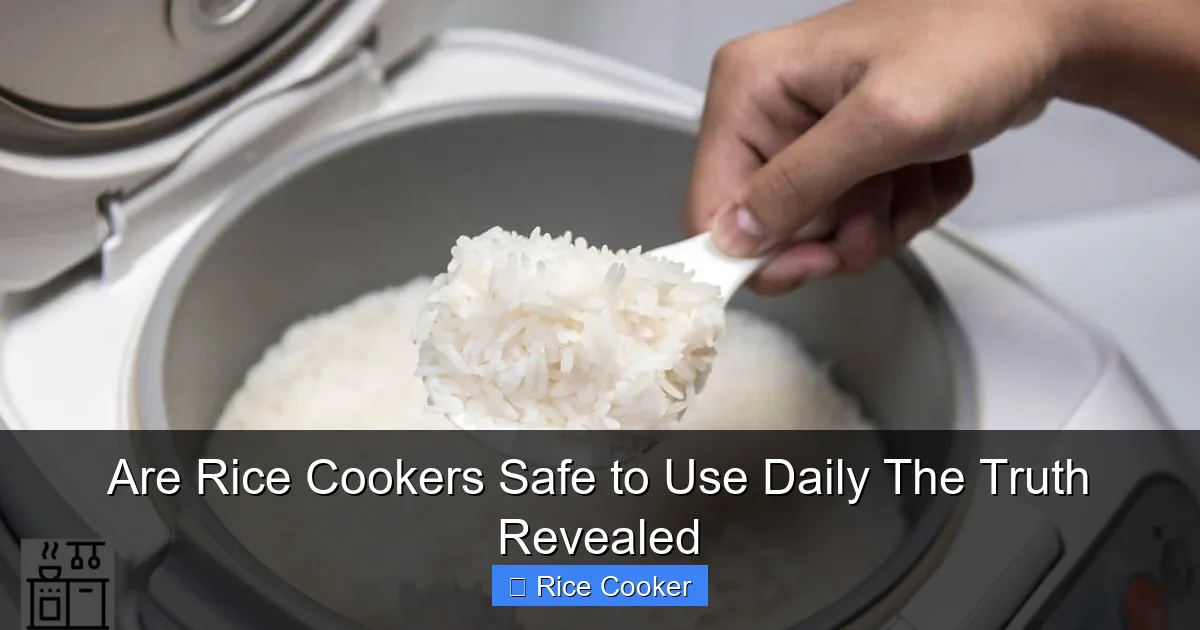
Quality rice cookers distribute heat evenly. This prevents hot spots that could cause burns or fires. The inner cooking pot removes for serving and cleaning. This design reduces handling of hot components. The heating element is sealed beneath the pot. You never touch it directly, which prevents burns.
Energy Efficiency and Fire Prevention
Unlike stovetop cooking, rice cookers use contained heat. There are no open flames. The appliance only draws power when needed. Once in warm mode, energy consumption drops significantly. This efficient design reduces fire risk compared to leaving a pot on the stove.
Think about it. How many times have you walked away from a boiling pot? With a rice cooker, you can. It automatically switches to warm mode. You can go about your day without worry.
Material Matters: What Your Rice Cooker is Made Of
Now let’s talk about the materials that touch your food. This is where many safety concerns arise.
Visual guide about Are Rice Cookers Safe to Use Daily The Truth Revealed
Image source: i.redd.it
Non-Stick Coatings: Are They Safe?
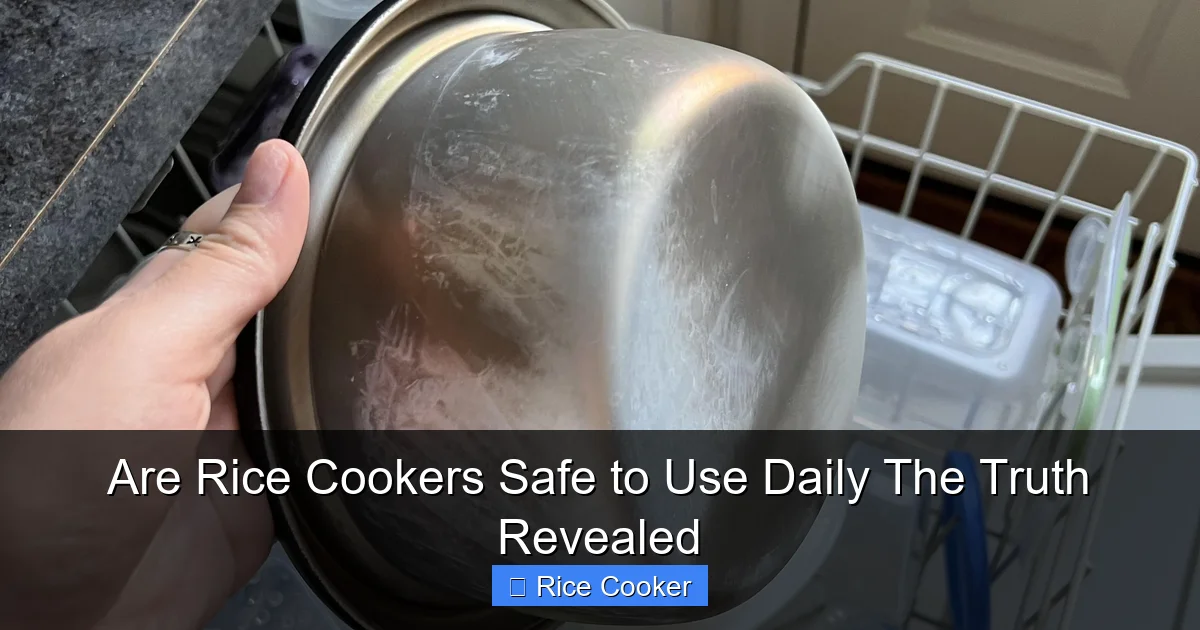
Most rice cooker inner pots have non-stick coatings. Modern coatings are PFOA-free. PFOA was a chemical of concern in older products. Today’s alternatives are much safer for daily use.
However, safety depends on proper care. Never use metal utensils that scratch the coating. Don’t clean with abrasive scrubbers. Follow the manufacturer’s instructions. When the coating begins to peel or flake, it’s time to replace the pot or the entire cooker.
Stainless Steel and Aluminum Options
Some rice cookers offer stainless steel inner pots. These are completely inert and don’t leach chemicals. They’re an excellent choice for daily use. Aluminum pots are often anodized or coated. This prevents reaction with acidic foods.
If you’re concerned about materials, look for rice cookers with ceramic-coated or stainless steel pots. These options eliminate any potential chemical concerns during daily cooking.
Exterior Construction and Ventilation
The outer housing is usually plastic or stainless steel. Both are safe when the cooker is used properly. Ensure the steam vent is never blocked. This prevents pressure buildup. Keep the area around the cooker clear. Good ventilation prevents overheating of electrical components.
Electrical Safety: Protecting Your Home and Family
Electrical safety is crucial for any daily-use appliance. Rice cookers are generally low-risk, but precautions matter.
Proper Outlet Usage
Always plug your rice cooker into a grounded outlet. Avoid extension cords when possible. If you must use one, choose a heavy-duty cord rated for the cooker’s wattage. Never plug multiple high-wattage appliances into the same outlet.
Water and Electricity Don’t Mix
Keep the base unit dry at all times. Never immerse it in water. When cleaning, wipe only with a damp cloth. The inner cooking pot is removable and dishwasher safe. But the heating plate and electrical components stay dry.
Here’s a practical tip: place your rice cooker away from the sink. Splashing water can cause electrical shorts. If you have a cord, make sure it doesn’t dangle near water sources.
Recognizing Electrical Problems
Watch for these warning signs:
- Flickering lights when the cooker turns on
- Burning smells from the unit
- Discolored or warm power cord
- Sparks or unusual sounds
If you notice any of these, unplug the cooker immediately. Have it inspected by a professional or replace it. Don’t risk electrical fires for the sake of a small appliance.
Food Safety: Preventing Bacteria and Contamination
This is where many people have legitimate concerns. Food safety is critical when cooking daily.
The Keep-Warm Function: Friend or Foe?
The keep-warm function is safe for up to 12 hours. Bacteria grow rapidly between 40°F and 140°F (4°C to 60°C). The warm setting keeps rice above 140°F. This prevents bacterial growth.
However, don’t push it beyond 12 hours. After that, quality and safety both decline. For best results, serve rice within 6-8 hours of cooking. If you need to store it longer, transfer to the refrigerator.
For more on proper food storage, check out our guide on how to store cooked food safely. These principles apply perfectly to rice cooked daily.
Cross-Contamination Prevention
Always use clean utensils. Never place cooked rice back into the same container that held raw rice. Wash the inner pot thoroughly between uses. This prevents any potential bacterial transfer.
When cooking different grains, clean the pot between uses. Some grains like quinoa or barley can leave residues. These might affect the taste and safety of your next batch of rice.
Proper Cooling and Storage
If you’re not using the keep-warm function, cool rice quickly. Transfer it to a shallow container. Spread it out to increase surface area. Place it in the refrigerator within two hours of cooking. This rapid cooling prevents bacterial growth.
Reheating Leftover Rice
When reheating rice, ensure it reaches 165°F (74°C) throughout. This kills any bacteria that might have developed during storage. The rice cooker’s reheat function works well for this. You can also steam rice briefly with a splash of water to restore moisture.
Learn more about how to reheat food without losing taste to keep your rice delicious every time.
Daily Use Best Practices for Maximum Safety
Now let’s put it all together. Here’s your step-by-step guide to safe daily rice cooker use.
Before You Start Cooking
Measure your ingredients correctly. Use the measuring cup that came with your cooker. Standard measuring cups are different. The rice-to-water ratio matters for both perfect results and safety.
For detailed guidance, see our article on how to measure ingredients correctly. This prevents overflow and ensures even cooking.
Always rinse rice thoroughly. This removes excess starch and any potential contaminants. Use a fine-mesh strainer under running water. Most experts recommend rinsing 2-3 times until the water runs clear.
During the Cooking Process
Place the inner pot properly in the base unit. Ensure it sits flat on the heating plate. This ensures even heat transfer. Don’t force it if it doesn’t fit. Check for alignment issues.
Close the lid securely. Never open it during cooking unless necessary. Opening releases steam and can affect cooking time. If you must check, do it quickly.
Let the cooker do its job. Don’t stand over it. The automatic features work without supervision. This is one of the biggest safety advantages of rice cookers.
After Cooking: Safe Handling
Use oven mitts when removing the inner pot. It will be extremely hot. Place it on a heat-resistant surface. Never set a hot pot on cold surfaces like marble countertops. This can cause cracking or damage.
Serve rice with clean utensils. Avoid leaving serving spoons in the pot for extended periods. This introduces bacteria from people’s mouths.
Between Uses: Quick Cleaning for Daily Routines
For daily use, quick cleaning is essential. Remove the inner pot while it’s still warm but not hot. Soak it in warm, soapy water. This loosens stuck-on rice without scrubbing.
Use a soft sponge or cloth. Avoid steel wool or abrasive pads. These damage the non-stick coating. Rinse thoroughly and dry completely before storing or reusing.
Wipe the base unit with a slightly damp cloth. Pay attention to the heating plate. Remove any rice grains or debris. These can burn during the next use and create smoke or fire hazards.
Cleaning and Maintenance: Your Safety Routine
Regular maintenance prevents safety issues before they start. Think of it as preventive healthcare for your appliance.
Daily Cleaning Checklist
After each use, complete these steps:
- Remove and wash the inner pot with mild soap
- Wipe the lid and steam vent with a damp cloth
- Check for rice debris in the heating plate
- Ensure the power cord is cool and undamaged
- Store with the lid slightly open to prevent odors
Weekly Deep Cleaning
Once a week, give your rice cooker extra attention:
Soak the lid in hot, soapy water to remove oil and starch buildup. Clean the steam vent with a toothpick or small brush. This prevents clogs that could cause pressure issues. Check the exterior for any signs of damage or wear.
Monthly Safety Inspection
Once a month, inspect these components:
- Power cord: Look for fraying, cracking, or discoloration
- Heating plate: Ensure it’s clean and free of debris
- Thermostat: Test that it switches from cook to warm properly
- Lid seal: Check for cracks or hardening in rubber gaskets
- Exterior housing: Look for cracks or warping
If you find any issues, address them immediately. Small problems become big safety hazards if ignored.
When to Replace Your Rice Cooker
Even with perfect care, rice cookers don’t last forever. Daily use takes its toll. Here’s how to know when it’s time for a new one.
Signs of Wear That Affect Safety
Watch for these red flags:
- Non-stick coating peeling, scratching through, or flaking
- Inconsistent cooking (burning or undercooking)
- Keep-warm function not working properly
- Steam leaks from unexpected areas
- Unusual noises or smells during operation
- Visible damage to the power cord or plug
The 5-7 Year Rule
With daily use, most rice cookers last 5-7 years. High-quality models may last longer. The internal components, especially thermostats, can wear out. When in doubt, replace it. Your safety is worth the investment.
Choosing a Safe Replacement
When buying a new rice cooker, look for these safety certifications:
- UL (Underwriters Laboratories) listing
- ETL (Intertek) certification
- NSF International certification for food safety
These marks indicate the appliance meets strict safety standards. Don’t buy unmarked or extremely cheap rice cookers. They often lack proper safety features.
Troubleshooting Common Safety Concerns
Let’s address specific problems you might encounter with daily use.
Problem: Rice Cooker Won’t Switch to Warm Mode
This is a common issue. The thermostat might be stuck or failing. First, unplug the cooker. Let it cool completely. Check for rice debris around the heating plate. Clean thoroughly. Plug it back in and test with a small batch of rice.
If it still doesn’t switch, don’t use the cooker. The thermostat is a critical safety component. Continuing to use it could cause overheating or fire. Contact the manufacturer or replace the unit.
Problem: Smoke or Burning Smell
Unplug immediately if you see smoke or smell burning. Let the cooker cool completely. Check for rice debris on the heating plate. This is the most common cause. Clean thoroughly with a dry cloth or soft brush.
Also check the steam vent. A blocked vent can cause overheating. Clean it carefully with a toothpick or small brush. If the smell persists after cleaning, stop using the cooker. There may be electrical issues.
Problem: Water Leaking from the Base
This suggests condensation or overflow. Check your rice-to-water ratio. Too much water can cause overflow during cooking. Also check the lid seal. A damaged seal allows steam to escape and condense elsewhere.
Clean the area thoroughly and dry completely. Test the cooker with less water. If leaking continues, have it inspected. Water near electrical components is dangerous.
Problem: Uneven Cooking or Burned Rice
This often indicates a failing thermostat or heating element. First, ensure you’re using the correct water ratio. Try a different type of rice. If the problem persists, the internal components may be wearing out.
For tips on perfect rice every time, see our guide on how to cook rice perfectly every time. But if the problem is clearly the appliance, not your technique, consider replacement.
Conclusion: Making Informed Daily Use Decisions
So, are rice cookers safe to use daily? The answer is a resounding yes—with proper care and attention. These appliances are designed for regular, repeated use. Their safety features make them reliable kitchen companions.
The key is understanding how to use them correctly. Follow the manufacturer’s instructions. Clean regularly. Inspect for wear. Replace when needed. These simple steps ensure years of safe, convenient cooking.
Your rice cooker can save you time and energy. It can help you prepare healthy grains regularly. It can even support your weight management goals by making portion control easy. Don’t let unfounded fears keep you from enjoying these benefits.
Instead, arm yourself with knowledge. Use this guide as your reference. Check back whenever you have questions. Stay safe, and enjoy your daily rice cooking with confidence.
Remember, the safest rice cooker is one that’s well-maintained and used according to instructions. Make safety part of your daily routine, and you’ll have nothing to worry about.
🎥 Related Video: 5 Reasons you NEED a Rice Cooker
📺 Stephen La Rosa
Rice cooker review video – https://www.youtube.com/watch?v=lCzbeWQkVls Best rice cooker – https://amzn.to/440Cqt1 (affiliate …
