
How to Clean Dutch Ovens

Cleaning Dutch ovens is simple when you know the right steps. Whether you have a cast iron or enameled Dutch oven, proper cleaning keeps it rust-free and ready for your next meal. Follow these easy tips to maintain your Dutch oven’s performance and beauty.
Key Takeaways
- Identify your Dutch oven type: Cleaning differs for cast iron and enameled versions.
- Avoid harsh detergents on cast iron: Use mild soap or just hot water to protect seasoning.
- Soak and scrub gently: For stuck-on food, soak in warm water and use non-abrasive scrubbers.
- Dry thoroughly: Prevent rust on cast iron by drying completely and applying oil.
- Use baking soda or vinegar: Natural cleaners help remove odors and stains safely.
- Regular maintenance is key: Season your cast iron Dutch oven periodically to keep it non-stick.
- Store properly: Keep your Dutch oven dry and with the lid off to avoid moisture buildup.
📑 Table of Contents
Introduction
If you love cooking with a Dutch oven, you know how versatile and durable these pots can be. From slow-cooked stews to fresh bread, Dutch ovens help create delicious meals with ease. But to keep them working well and looking great, learning how to clean Dutch ovens properly is essential.
Cleaning a Dutch oven isn’t always straightforward because different types require different care. Cast iron needs special attention to maintain its seasoning, while enameled Dutch ovens have their own cleaning rules to avoid damage. In this guide, I’ll walk you through easy and effective ways to clean your Dutch oven, whether it’s raw cast iron or enameled.
By following these tips, you’ll extend your Dutch oven’s life and keep it performing perfectly for years. Let’s dive into the best cleaning methods!
Understanding Your Dutch Oven
Types of Dutch Ovens
Before cleaning, it’s important to know what type of Dutch oven you have. The two main types are:
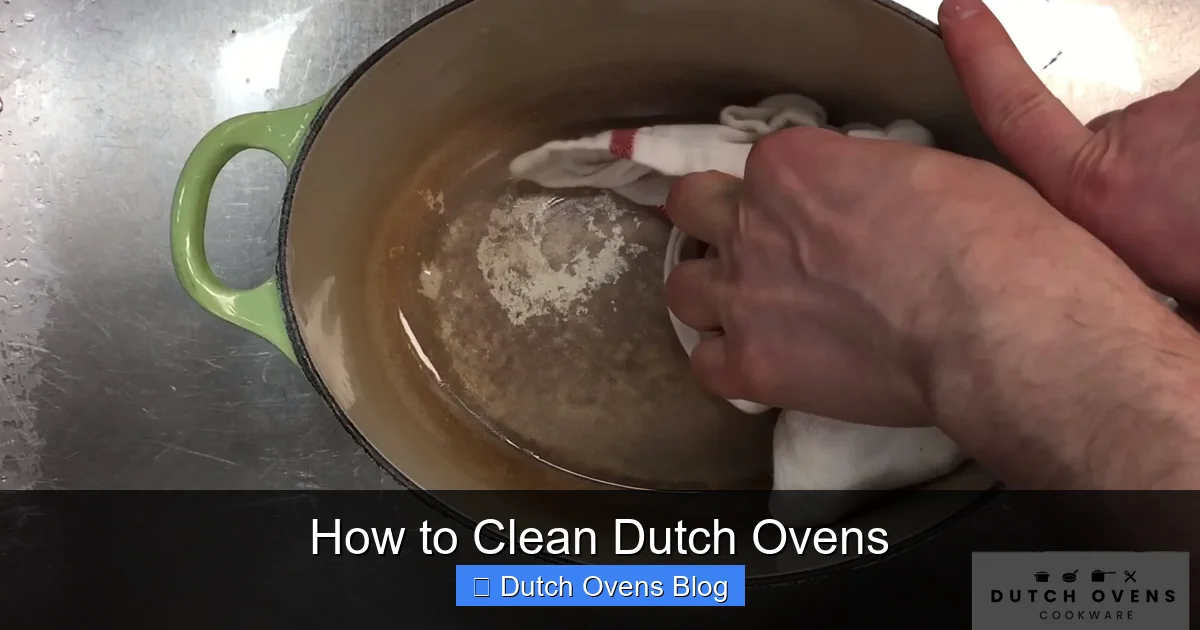
Visual guide about How to Clean Dutch Ovens
Image source: dutchovenscookware.com
- Cast Iron Dutch Ovens: Traditional pots made from heavy cast iron, often uncoated or seasoned with oil.
- Enameled Dutch Ovens: Cast iron coated with a smooth, colorful enamel layer that protects it from rust and eliminates the need for seasoning.
Each type needs different cleaning techniques to keep it in top shape.
Why Cleaning Methods Vary
Cast iron can rust if not dried and oiled properly, and harsh soaps can strip its seasoning. Enameled pots are more forgiving but can chip if scrubbed roughly. Knowing these differences helps you avoid damaging your cookware.
How to Clean Cast Iron Dutch Ovens
Step 1: Cleaning After Use
After cooking, let your cast iron Dutch oven cool slightly but clean it while still warm. Avoid soaking it for long periods.
- Use hot water and a sponge or stiff brush to remove food residue.
- If stuck-on food remains, scrub gently with coarse salt and a little water as a natural abrasive.
- Avoid soap if possible, as it can strip seasoning. Mild soap is okay occasionally.
Step 2: Removing Tough Stains and Rust
If rust appears or stains build up:
- Scrub the rusty area with steel wool or a wire brush.
- Rinse and dry thoroughly.
- Re-season the surface by applying a thin layer of vegetable oil and heating it in the oven at 350°F (175°C) for an hour.
Step 3: Drying and Seasoning
Cast iron must be dried completely to prevent rust:
- Wipe with a dry cloth immediately after washing.
- Place on the stove over low heat or in a warm oven to evaporate any remaining moisture.
- Apply a light coat of cooking oil inside and out to maintain seasoning.
How to Clean Enameled Dutch Ovens
Step 1: Daily Cleaning
Enameled Dutch ovens are easier to clean because they don’t require seasoning:
- Wash with warm soapy water and a soft sponge.
- Rinse well and dry with a soft towel.
Step 2: Dealing with Stubborn Food Residue
If food sticks or burns:
- Soak the pot in warm soapy water for 15-20 minutes.
- Use a non-abrasive scrubber or nylon brush to remove residue.
- Avoid steel wool or harsh scrubbing pads that can chip enamel.
Step 3: Removing Stains and Odors
For lingering stains or smells:
- Make a paste of baking soda and water, apply it to the stain, and let sit for 15 minutes before scrubbing gently.
- Alternatively, fill the pot with a mixture of equal parts water and white vinegar, bring to a boil, and let cool before washing.
Tips for Maintaining Your Dutch Oven
Regular Seasoning for Cast Iron
Even if you clean cast iron correctly, periodic seasoning keeps it non-stick and rust-free:
- Apply a thin oil layer after each use.
- Occasionally bake the Dutch oven upside down in the oven at 350°F for one hour.
Proper Storage
Store your Dutch oven with the lid off or slightly ajar to prevent moisture buildup and odors. Use a paper towel between the lid and pot if needed.
Avoid Dishwasher Use
Never put your Dutch oven, especially cast iron, in the dishwasher. The harsh detergents and high heat can damage the seasoning or enamel coating.
Common Mistakes to Avoid
- Using harsh detergents on cast iron: This can strip seasoning and cause rust.
- Scrubbing enameled pots with steel wool: It can chip and ruin the surface.
- Leaving your Dutch oven wet: Moisture leads to rust on cast iron.
- Overheating empty cast iron: This can damage the seasoning layer.
Practical Examples and Cleaning Hacks
Salt Scrub for Cast Iron
For stuck-on bits, pour a couple tablespoons of coarse kosher salt into the pot with a small amount of water. Scrub with a sponge or cloth. The salt acts as a gentle abrasive without harming the seasoning.
Baking Soda Paste for Stains
Mix baking soda and water into a thick paste, apply to stubborn stains on enameled Dutch ovens, and let sit 10-15 minutes before wiping clean. This natural method brightens the surface safely.
Boiling Vinegar Solution
Fill the enameled Dutch oven with a 1:1 mixture of water and white vinegar. Bring to a boil and let cool. This helps lift mineral deposits and odors from the pot.
Conclusion
Cleaning your Dutch oven doesn’t have to be a chore. By understanding the differences between cast iron and enameled types, you can use the right methods to keep your cookware in excellent condition. Regular cleaning, drying, and maintenance will extend the life of your Dutch oven, so it continues to deliver delicious meals for years.
Remember, gentle scrubbing, avoiding harsh detergents for cast iron, and proper drying are key steps. With these tips, your Dutch oven will stay rust-free, stain-free, and ready to cook whenever you are. Happy cooking and cleaning!
🎥 Related Video: How to Clean Burned and Stuck-On Food in Your Le Creuset Dutch Oven – Sur La Table
📺 Sur La Table
Even the most experienced home cooks can deal with a particularly challenging case of burnt food on their pots and pans.
Frequently Asked Questions
How do I clean a cast iron Dutch oven without ruining the seasoning?
Use hot water and a non-abrasive brush or sponge to clean your cast iron Dutch oven. Avoid harsh soaps, or use mild soap sparingly. For stuck-on food, scrub with coarse salt and water as a gentle abrasive.
Can I put my enameled Dutch oven in the dishwasher?
While some enameled Dutch ovens may be dishwasher safe, it’s best to hand wash them to preserve the enamel coating. Harsh detergents and high heat in dishwashers can cause chipping or dulling over time.
What should I do if my cast iron Dutch oven develops rust?
Scrub the rusty spots with steel wool or a wire brush to remove rust. Then, rinse, dry thoroughly, and re-season by applying a thin layer of oil and heating it in the oven at 350°F for an hour.
How do I remove stubborn stains from an enameled Dutch oven?
Make a paste with baking soda and water, apply it to the stains, and let it sit for 15 minutes before scrubbing gently. Boiling a water and vinegar solution in the pot can also help remove stains and odors.
Is it necessary to season an enameled Dutch oven?
No, enameled Dutch ovens do not require seasoning since the enamel coating protects the cast iron from rust and creates a non-stick surface.
How should I store my Dutch oven to prevent damage?
Store your Dutch oven with the lid off or slightly ajar to allow air circulation and prevent moisture buildup. For cast iron, this helps prevent rust, and for enameled, it reduces odors. Placing a paper towel between lid and pot is a good practice.
