Can Frying Pan Go Bad

Can frying pans go bad? Absolutely. Over time, wear and tear, improper care, and damage can ruin your frying pan’s performance. Knowing the signs and how to maintain your pan helps you cook better and saves money.
Key Takeaways
- Frying pans can go bad: Overuse and damage affect their cooking quality.
- Signs of a bad frying pan: Warping, peeling non-stick coating, rust, and uneven heating.
- Types matter: Non-stick, cast iron, stainless steel, and aluminum pans age differently.
- Proper care extends life: Cleaning, seasoning, and storage are key.
- When to replace: Safety risks and poor cooking results signal it’s time.
- Maintenance tips: Avoid metal utensils, high heat, and dishwasher use for non-stick pans.
- Invest wisely: Quality pans last longer but still need care to avoid going bad.
📑 Table of Contents
Introduction: Can Frying Pan Go Bad?
Frying pans are kitchen essentials we use almost every day. They help us whip up everything from scrambled eggs to crispy stir-fries. But have you ever wondered, can frying pans go bad? The short answer is yes. Like any tool, frying pans don’t last forever. Over time, they can lose their effectiveness and even become unsafe to use.
Understanding when a frying pan has gone bad and how to care for it properly can save you money and improve your cooking. In this article, we’ll explore what causes frying pans to degrade, how to spot the signs, and practical tips to keep your pans in great shape for years.
How and Why Frying Pans Go Bad
Material Wear and Tear
Frying pans are made from different materials like non-stick coatings, cast iron, stainless steel, and aluminum. Each type ages differently.
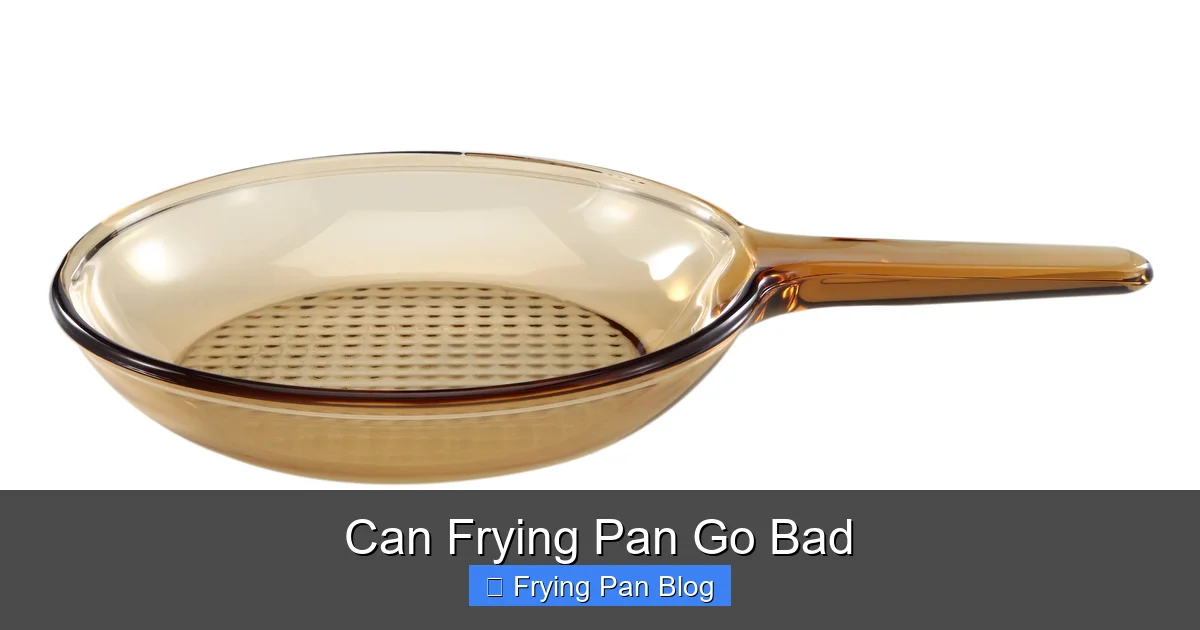
Visual guide about Can Frying Pan Go Bad
Image source: i.stack.imgur.com
- Non-stick pans: Their coating can peel, chip, or wear thin after years of use or exposure to high heat.
- Cast iron pans: They can rust if not properly seasoned or dried after washing.
- Stainless steel pans: Though durable, they can warp or develop discoloration.
- Aluminum pans: They can dent or warp easily with rough handling.
Heat Damage and Warping
Using a frying pan on high heat constantly can cause warping. Warping makes the pan’s surface uneven, leading to hot spots and uneven cooking. This damage is common in thinner pans or those made from aluminum. Warped pans can’t sit flat on the stove, which affects cooking performance.
Improper Cleaning and Maintenance
Cleaning your pan with abrasive sponges or harsh detergents can damage coatings and surfaces. For example, scrubbing a non-stick pan with steel wool can scratch and ruin the surface. Likewise, leaving pans wet or soaking them too long can cause rust, especially on cast iron.
Signs Your Frying Pan Is Going Bad
Peeling or Flaking Coating
If your non-stick frying pan’s coating is peeling or flaking, it’s time to replace it. Cooking on damaged coatings can release harmful chemicals and cause food to stick badly.
Warped or Uneven Base
Check if your pan sits flat on the stove. If it rocks or has gaps, it’s likely warped. This causes uneven heating and inconsistent cooking results.
Rust Spots or Corrosion
Rust is common in cast iron pans that aren’t properly maintained. If you see rust on the cooking surface, it might affect food taste and safety. Stainless steel pans can also corrode if left wet too long.
Food Sticks Excessively
When food starts sticking even after proper preheating and greasing, it’s a sign the pan’s surface is compromised. Non-stick pans lose their slickness over time and need replacing.
Discoloration and Burn Marks
Burn marks and discoloration can be aesthetic issues but sometimes also indicate overheating or damage. While some discoloration is normal, extreme changes might affect cooking quality.
How Different Types of Frying Pans Age
Non-stick Frying Pans
Non-stick pans typically last 3-5 years depending on use and care. Their coating breaks down over time, especially with high heat and metal utensils. Avoid overheating and always use silicone or wooden tools to extend life.
Cast Iron Frying Pans
Cast iron pans can last decades if cared for properly. They don’t “go bad” in the traditional sense but can rust or lose their seasoning. Regular seasoning maintains a natural non-stick layer and protects against rust.
Stainless Steel Frying Pans
Stainless steel pans are very durable and can last many years. They don’t have coatings to wear off but can warp or get scratched. Proper cleaning keeps them shiny and functional.
Aluminum Frying Pans
Aluminum pans heat quickly but are prone to denting and warping. Anodized aluminum is more durable but still requires gentle care to avoid damage.
Tips to Prevent Your Frying Pan From Going Bad
Use Appropriate Heat Levels
Avoid cooking on very high heat unless necessary. Most frying pans perform well on medium heat and using high heat repeatedly can damage coatings and warp pans.
Use the Right Utensils
Metal utensils scratch non-stick surfaces. Use wooden, silicone, or plastic tools to protect your pan’s coating and surface.
Proper Cleaning Methods
Hand wash frying pans with mild soap and a soft sponge. Avoid the dishwasher for non-stick pans as the harsh detergents and heat can degrade the coating.
Season Cast Iron Pans Regularly
Apply a thin layer of oil and heat your cast iron pan after washing. This maintains the seasoning and prevents rust.
Store Carefully
Stacking pans without protection can cause scratches. Use pan protectors or cloths between pans to avoid damage.
When Is It Time to Replace Your Frying Pan?
Safety Concerns
If the non-stick coating is peeling or flaking, it’s best to replace the pan to avoid ingesting harmful materials. Severe rust or warping can also be safety hazards.
Poor Cooking Performance
When your pan no longer heats evenly, sticks constantly, or ruins your food, it’s time to invest in a new one.
Cost vs Repair
Some pans can be restored with reseasoning or refinishing, but often replacement is more cost-effective, especially for non-stick pans past their prime.
Conclusion: Keep Your Frying Pan in Top Shape
So, can frying pans go bad? Yes, they do. But understanding how they age and how to care for them can keep your pans cooking great for years. Whether you have a trusty cast iron skillet or a sleek non-stick pan, proper use, cleaning, and storage make a big difference.
Pay attention to signs like peeling coatings, rust, warping, and sticking food. When these appear, it might be time to replace your pan. Remember, a good frying pan is an investment in your kitchen that deserves a little love and care.
With the right tips and knowledge, you can enjoy delicious meals cooked perfectly every time—and avoid the frustration of a frying pan gone bad.
🎥 Related Video: Throw Away your Cast Iron Pan?! | Dr. Gundry Podcast
📺 Gundry MD
Follow the Dr. Gundry Podcast: youtube.com/@DrGundry Discover the hidden downsides of cooking with a cast iron pan in this …
Frequently Asked Questions
Can a frying pan lose its non-stick ability over time?
Yes, non-stick coatings degrade with use, especially if exposed to high heat or scratched by metal utensils. Over time, the pan will lose its slick surface and food may start sticking.
Is it safe to use a frying pan with a peeling coating?
No, using a frying pan with peeling non-stick coating can be unsafe as flakes may mix with food. It’s best to replace the pan to avoid potential health risks.
How can I prevent my cast iron pan from going bad?
Season your cast iron pan regularly by applying oil and heating it. Also, avoid soaking it in water and dry it thoroughly to prevent rust.
Can frying pans warp, and what causes it?
Yes, frying pans can warp due to rapid temperature changes or cooking on very high heat. Warping causes uneven cooking and makes the pan unstable on the stove.
Are stainless steel pans less likely to go bad?
Stainless steel pans are durable and don’t have coatings to wear off, but they can still warp or discolor. Proper care helps them last a long time.
How often should I replace my frying pan?
It depends on the type and care, but generally non-stick pans last 3-5 years, cast iron can last decades, and stainless steel may last even longer. Replace when cooking performance or safety is compromised.
