
Are Dutch Ovens Healthy

Are Dutch ovens healthy? Absolutely! Dutch ovens are made from safe materials like cast iron and enamel, which can enhance your cooking experience and nutrition. They promote even cooking, retain nutrients, and reduce the need for excess oils, making them a great choice for healthy meals.
Key Takeaways
- Safe Materials: Dutch ovens are typically made from cast iron or enameled cast iron, both of which are non-toxic and safe for cooking.
- Even Heat Distribution: They cook food evenly, preserving nutrients and flavors.
- Reduced Oil Usage: Their excellent heat retention allows for cooking with less fat, promoting healthier meals.
- Durability: A well-maintained Dutch oven can last decades, avoiding exposure to harmful chemicals from worn cookware.
- Versatility: Suitable for a range of healthy cooking methods like braising, steaming, and slow cooking.
- Potential Iron Benefits: Cast iron cookware can increase iron intake, which may benefit those with iron deficiency.
- Proper Care is Key: Maintaining your Dutch oven correctly prevents rust and preserves its health benefits.
📑 Table of Contents
- Introduction: Why Consider the Health Aspect of Dutch Ovens?
- What Are Dutch Ovens Made Of?
- Health Benefits of Cooking with Dutch Ovens
- Potential Concerns and How to Avoid Them
- Tips for Healthy Cooking with Your Dutch Oven
- Comparing Dutch Ovens with Other Cookware
- Conclusion: Are Dutch Ovens Healthy?
Introduction: Why Consider the Health Aspect of Dutch Ovens?
When choosing cookware, health is often a top priority. With so many options on the market, it’s natural to wonder, are Dutch ovens healthy? These classic pots have been kitchen staples for centuries, praised for their versatility and durability. But beyond their cooking prowess, understanding if they promote healthy eating is important.
Today, we’ll explore the health benefits and considerations of cooking with Dutch ovens. From their materials to how they affect your food’s nutrient content, this guide will help you decide if a Dutch oven is a healthy addition to your kitchen.
Ready to find out? Let’s dive in!
What Are Dutch Ovens Made Of?
Cast Iron Dutch Ovens
The most traditional Dutch ovens are made from cast iron. This heavy metal is known for its ability to hold and distribute heat evenly. Cast iron is naturally non-toxic and does not leach harmful chemicals when properly seasoned, making it a safe option for cooking.
Visual guide about Are Dutch Ovens Healthy
Image source: nypost.com
Enameled Cast Iron Dutch Ovens
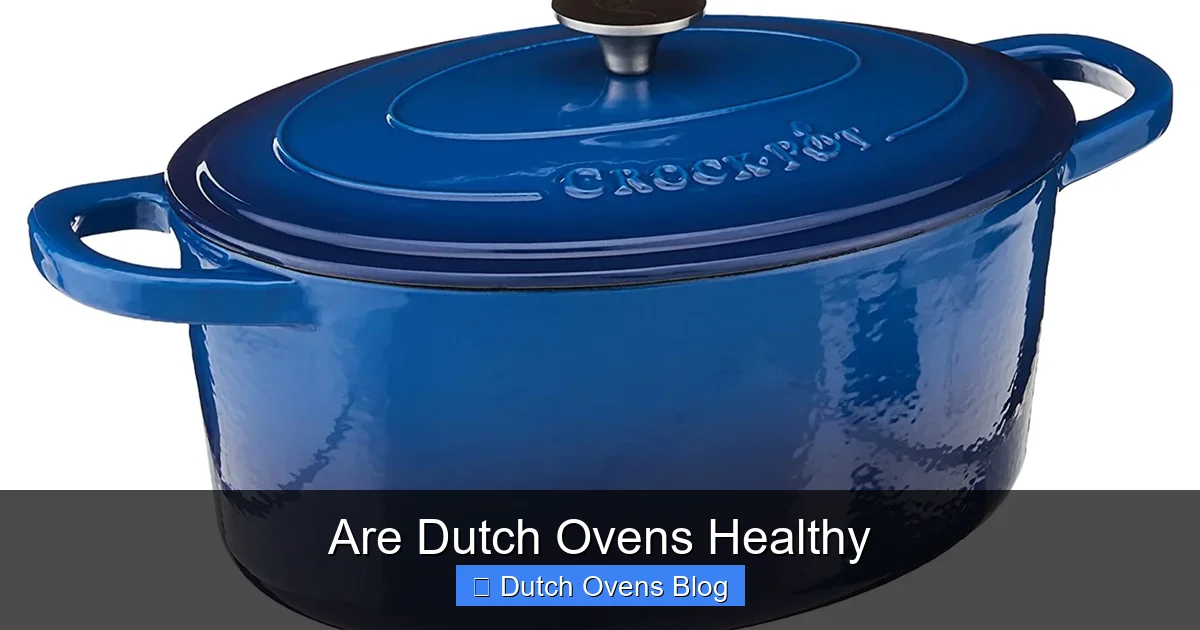
Modern Dutch ovens often feature an enamel coating over cast iron. This enamel layer prevents rust and eliminates the need for seasoning. Because the enamel is glass-based, it’s non-reactive, meaning it won’t interact with acidic foods like tomatoes or wine. This makes enameled Dutch ovens an excellent choice for those looking for easy maintenance and health safety.
Other Materials
While less common, some Dutch ovens come in materials like aluminum or ceramic. Generally, traditional cast iron and enameled cast iron remain the healthiest and most reliable options.
Health Benefits of Cooking with Dutch Ovens
Even Heat Retention for Nutrient Preservation
Dutch ovens hold and distribute heat evenly. This means your food cooks at a steady temperature, reducing the risk of burning and nutrient loss. Slow cooking with a Dutch oven helps preserve vitamins and minerals, especially in vegetables and lean proteins.
Less Oil Needed
Thanks to their heat retention, Dutch ovens require less oil or fat to prevent sticking. This is great news if you’re aiming to reduce calories or saturated fat in your diet. You can sauté, braise, or roast with minimal added fats while still achieving delicious results.
Boost in Dietary Iron
One unique health benefit of cast iron Dutch ovens is the potential increase in dietary iron. Cooking acidic foods like tomato sauce in cast iron can transfer small amounts of iron to your meal. This can be helpful for people with iron deficiency, but it’s usually not enough to cause iron overload in healthy individuals.
Safe and Non-Toxic Cooking
Unlike some non-stick pans that may release harmful chemicals when scratched or overheated, Dutch ovens are free from synthetic coatings. Enameled versions are also free from lead and cadmium, making them a safe choice for everyday cooking.
Potential Concerns and How to Avoid Them
Rust and Maintenance
Cast iron Dutch ovens require seasoning and proper care to prevent rust. Rust can be harmful if ingested in large amounts, so it’s important to keep your Dutch oven dry and re-season it regularly.
Weight and Handling
Cast iron Dutch ovens are heavy, which may pose a challenge for some users. Using proper lifting techniques and handles helps avoid accidents in the kitchen.
Iron Overload Risk
While iron transfer can be beneficial, individuals with conditions like hemochromatosis should consult a doctor before frequently using cast iron cookware.
Tips for Healthy Cooking with Your Dutch Oven
Use Less Oil and Butter
Thanks to the excellent heat retention, try reducing the amount of oil or butter you add. This makes your meals lighter and healthier.
Cook Nutrient-Rich Meals
Take advantage of the Dutch oven’s slow cooking ability by making soups, stews, and braises packed with vegetables, lean meats, and whole grains.
Keep It Clean and Well-Seasoned
For cast iron, always dry your Dutch oven thoroughly after washing and apply a thin layer of oil to maintain seasoning. For enamel, avoid metal utensils to prevent chipping.
Experiment with Healthy Recipes
Try recipes like vegetable ratatouille, chicken and quinoa stew, or bean chili. These dishes benefit from the Dutch oven’s cooking style and keep your meals nutritious.
Comparing Dutch Ovens with Other Cookware
Non-Stick Pans
Non-stick pans often have chemical coatings that can degrade over time. Dutch ovens avoid these chemicals, offering a safer alternative. Plus, Dutch ovens are more versatile for slow cooking and baking.
Stainless Steel Pots
Stainless steel is also safe but doesn’t retain heat as well as cast iron. This means you might need to use more oil to prevent sticking. Dutch ovens provide better heat control and moisture retention.
Ceramic Cookware
Ceramic is non-toxic but can be less durable. Dutch ovens, especially enameled ones, offer the best of both worlds: safety and longevity.
Conclusion: Are Dutch Ovens Healthy?
So, are Dutch ovens healthy? The answer is a resounding yes! Made from safe materials like cast iron and enamel, Dutch ovens promote nutrient retention, reduce the need for excess fats, and can even add beneficial dietary iron. With proper care, they are a durable, non-toxic cookware option that supports a healthy cooking lifestyle.
If you’re looking to invest in cookware that makes delicious, nutritious meals easy, a Dutch oven is a fantastic choice. Whether you’re simmering stews, baking bread, or roasting vegetables, your Dutch oven can be a trusted partner in healthy cooking for years to come.
🎥 Related Video: Why a Dutch Oven is Not a Pot #halloweenwithshorts #shorts
📺 Cooking At Pam’s Place
Why a Dutch Oven is MOT a Pot #shorts @shortsexcellence Subscribe if you have a dutch oven Come with me I’ll show you what …
Frequently Asked Questions
Are Dutch ovens safe for everyday cooking?
Yes, Dutch ovens made from cast iron or enameled cast iron are safe for everyday use. They do not release harmful chemicals and can handle high heat without degrading.
Can cooking in a Dutch oven increase my iron intake?
Cooking acidic foods in a cast iron Dutch oven can add small amounts of iron to your meals. This can be beneficial for those with low iron but usually isn’t a concern for healthy individuals.
Is it healthy to cook with less oil in a Dutch oven?
Absolutely! Dutch ovens retain heat well, which helps prevent food from sticking. This allows you to use less oil, making your meals healthier and lower in fat.
Do enameled Dutch ovens contain harmful chemicals?
No, high-quality enameled Dutch ovens are coated with a glass-based enamel that is non-reactive and free from harmful chemicals like lead or cadmium.
How do I maintain my cast iron Dutch oven to keep it healthy?
Keep your Dutch oven dry after washing to prevent rust, season it regularly with oil, and avoid soaking it in water. This maintains a safe, non-stick surface for healthy cooking.
Are Dutch ovens suitable for all types of cooking?
Yes, Dutch ovens are versatile and great for slow cooking, braising, baking, roasting, and even frying. This adaptability helps you prepare a wide range of healthy meals.
