
Are Stone Frying Pans Good

Stone frying pans are gaining popularity for their natural non-stick surface and even heat distribution. They offer a healthier cooking option with minimal oil and are generally durable. However, knowing their pros and cons helps you decide if a stone frying pan is right for your kitchen.
Key Takeaways
- Natural non-stick surface: Stone frying pans provide a non-stick cooking experience without synthetic chemicals.
- Even heat distribution: They heat food uniformly, preventing hot spots and burnt meals.
- Durable and scratch-resistant: Many stone pans resist scratches better than traditional pans when cared for properly.
- Requires gentle care: Avoid metal utensils and harsh cleaning to maintain the stone coating.
- Healthier cooking: Minimal oil is needed due to the pan’s surface, promoting better health.
- Weight consideration: Stone pans can be heavier than regular frying pans, which might affect handling.
- Price range varies: High-quality stone pans might be pricier, but they offer long-term value.
📑 Table of Contents
Are Stone Frying Pans Good?
When it comes to choosing the perfect frying pan, many of us want something that is easy to use, healthy, and long-lasting. Stone frying pans have emerged as a popular choice in recent years, praised for their natural non-stick surfaces and beautiful designs. But are they really good? Let’s dig deeper into what stone frying pans offer and whether they deserve a spot in your kitchen.
Stone frying pans are often marketed as an eco-friendly and healthier alternative to traditional non-stick pans coated with chemicals like PTFE or PFOA. Their surfaces are usually made with natural stone particles or mineral-infused coatings that aim to provide a durable, non-stick experience. But like any cookware, they come with their own pros and cons. In this article, we’ll explore everything you need to know about stone frying pans, from performance to maintenance, so you can decide if they fit your cooking style.
Understanding Stone Frying Pans
What Are Stone Frying Pans?
Stone frying pans are usually made from aluminum or other metals, coated with a layer that contains natural stone particles, such as granite or marble. This coating gives the pan a rough but non-stick texture. The stone particles create a surface that’s more resistant to scratches and allows for easier food release.
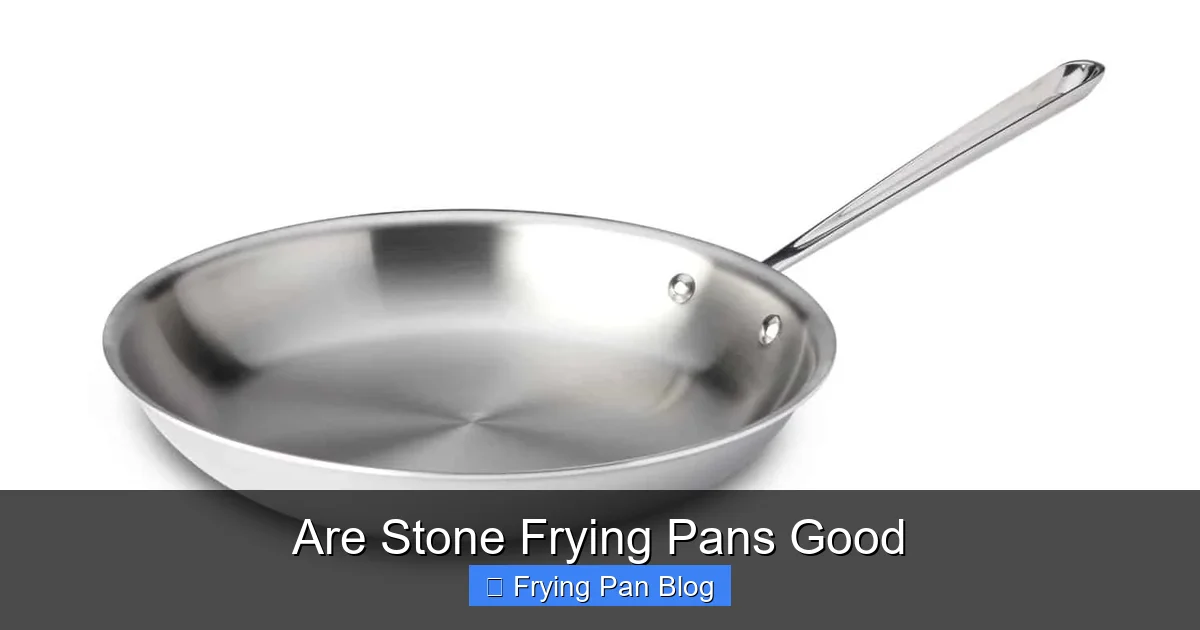
Visual guide about Are Stone Frying Pans Good
Image source: stonefryingpans.com
How Are They Different from Other Non-Stick Pans?
Traditional non-stick pans rely on synthetic coatings like Teflon, which can degrade over time and release harmful fumes if overheated. Stone frying pans avoid these chemicals, offering a more natural cooking surface. Plus, their stone coating often lasts longer and withstands higher heat levels without breaking down.
Varieties of Stone Coating
Not all stone frying pans are created equal. Some use pure stone particles, while others incorporate ceramic or mineral blends for added durability. It’s important to check the manufacturer’s details to know exactly what kind of coating you’re getting.
Benefits of Stone Frying Pans
Natural Non-Stick Properties
One of the biggest advantages is the natural non-stick surface. You can cook eggs, pancakes, and delicate foods with less oil, making meals healthier and cleanup easier. This feature appeals to those wanting to avoid synthetic chemicals in their cookware.
Even Heat Distribution
Stone frying pans conduct heat well, spreading it evenly across the surface. This prevents hot spots, which can cause food to burn or cook unevenly. You’ll get a nice golden crust on your steaks and perfectly cooked vegetables.
Durability and Scratch Resistance
The stone coating is generally tougher than standard non-stick layers. While not completely scratch-proof, these pans can handle wooden or silicone utensils without damage, and they resist scratches better than traditional non-stick pans.
Eco-Friendly and Safe
Because they avoid harmful synthetic chemicals, stone frying pans are considered safer for your health and the environment. They often have fewer volatile organic compounds (VOCs) and no toxic fumes if accidentally overheated.
Minimal Oil Required
The natural non-stick surface means you can use little to no oil while cooking. This is great for anyone watching their fat intake or aiming for healthier meals.
Drawbacks to Consider
Weight and Handling
Stone frying pans tend to be heavier than aluminum or stainless steel pans. This added weight can make them slightly harder to maneuver, especially for people with limited wrist strength or when cooking large meals.
Care and Maintenance
These pans require gentle care. Avoid metal utensils and abrasive scrubbers, as they can wear down the stone coating. Hand washing is typically recommended over dishwasher use to prolong the pan’s life.
Price Point
High-quality stone frying pans can be more expensive than regular non-stick pans. However, many users find the investment worthwhile due to their durability and health benefits.
Not Completely Indestructible
Though resistant, stone coatings can still chip or wear down over time, especially with rough treatment. It’s important to use appropriate utensils and cooking techniques to maintain the pan.
How to Choose the Best Stone Frying Pan
Check the Coating Quality
Look for pans with multiple layers of stone coating for better durability. Some brands specify the percentage of stone or mineral content in their coating—higher percentages generally indicate better quality.
Size and Weight
Pick a size that fits your cooking needs. If you cook for one or two people, an 8-10 inch pan works well. For families, consider a 12-inch pan. Also, test the pan’s weight in-store if possible, to ensure it feels comfortable.
Handle Comfort
Since stone pans can be heavier, ergonomic handles with heat resistance make cooking easier and safer. Look for riveted or securely attached handles that won’t loosen over time.
Compatibility with Cooktops
Check if the pan works with your stove type. Most stone pans work with gas, electric, and ceramic cooktops. Some are even induction-compatible, but always verify.
Brand Reputation and Warranty
Choose reputable brands that stand behind their products with warranties. This ensures you get a quality pan and customer support if issues arise.
Practical Tips for Using Stone Frying Pans
Season Before First Use
Many stone pans benefit from a light seasoning with oil before the first use. This enhances the non-stick surface and prolongs its life.
Cook on Medium or Low Heat
Stone pans conduct heat well, so cooking on medium or low heat is sufficient. High heat can damage the coating and reduce the pan’s lifespan.
Use Wooden, Silicone, or Plastic Utensils
To keep the stone surface intact, avoid metal tools. Wooden or silicone spatulas and spoons are perfect.
Cleaning and Storage
Hand wash with warm soapy water and a soft sponge. Avoid harsh scrubbing pads. Dry thoroughly before storing to prevent moisture damage.
Re-Season Periodically
If you notice food sticking more often, apply a thin layer of cooking oil and heat the pan gently to restore its non-stick quality.
Conclusion: Are Stone Frying Pans Worth It?
Stone frying pans offer a compelling mix of natural non-stick performance, durability, and healthier cooking options. They are a solid choice for those wanting to avoid chemicals found in traditional non-stick pans and who appreciate even heat distribution. While they can be heavier and require careful maintenance, many users find these trade-offs worthwhile.
If you’re ready to invest in cookware that performs well and supports healthier eating habits, a stone frying pan is definitely worth considering. Just be sure to pick a quality brand, handle it gently, and enjoy the benefits of cooking with stone.
🎥 Related Video: Harvard Doctor : 3 Healthiest Pans to Cook with ‼️🚨
📺 Doctor Sethi
Looking for the healthiest pans to cook your meals with? In this video, Dr. Sethi shares the top 3 non-toxic, durable pans that you …
Frequently Asked Questions
Are stone frying pans truly non-stick?
Yes, stone frying pans have a natural non-stick surface due to their stone particle coatings. They allow cooking with less oil and make food release easier compared to traditional pans.
Can I use metal utensils on a stone frying pan?
It’s best to avoid metal utensils as they can scratch the stone coating. Use wooden, silicone, or plastic tools to maintain the pan’s surface and prolong its life.
How do I clean a stone frying pan?
Hand wash with warm water and mild detergent using a soft sponge. Avoid abrasive scrubbers and dishwasher use to protect the coating.
Are stone frying pans safe at high temperatures?
Stone pans can handle moderate heat well, but very high heat may damage the coating. Cooking on medium or low heat is recommended for best results and durability.
Do stone frying pans contain harmful chemicals?
No, stone frying pans typically avoid synthetic chemicals like PTFE or PFOA, making them a safer and more eco-friendly option.
How long do stone frying pans last?
With proper care, stone frying pans can last several years. Their durability depends on the coating quality and how gently they are treated during use and cleaning.
