
How to Transfer Dough to Dutch Oven

Transferring dough to a Dutch oven can be tricky, but with the right technique, you’ll get perfect bread with a beautiful crust. This guide covers everything from preparing your dough and Dutch oven to easy transfer tips and troubleshooting common issues.
Key Takeaways
- Prepare your dough and Dutch oven properly: Ensure your dough is ready and your Dutch oven is preheated for the best baking results.
- Use parchment paper or a well-floured surface: This helps prevent sticking and makes transferring easier.
- Handle the dough gently: Avoid deflating the dough to maintain its airy texture.
- Use a baking sheet or pizza peel: These tools provide stability and control during the transfer.
- Practice safety when handling hot Dutch oven: Use oven mitts and work carefully to avoid burns.
- Troubleshoot common issues: Learn what to do if dough sticks or loses shape during transfer.
- Enjoy the process: Transferring dough is a skill that improves with practice and patience.
How to Transfer Dough to Dutch Oven
Baking bread in a Dutch oven is a fantastic way to achieve a crispy crust and soft, delicious crumb. But one challenge many home bakers face is transferring the dough from your work surface into the hot Dutch oven without deflating it or making a mess. This guide will teach you everything you need to know to transfer dough to a Dutch oven like a pro. By the end, you’ll feel confident handling your dough gently and safely, ensuring your homemade bread bakes perfectly every time.
Step 1: Prepare Your Dough for Transfer
Let the Dough Rise Properly
Before transferring, make sure your dough has completed its final rise (proofing). A well-risen dough is airy and light. It should be slightly puffy but not over-proofed. Over-proofed dough can collapse during transfer, while under-proofed dough won’t rise well in the oven.
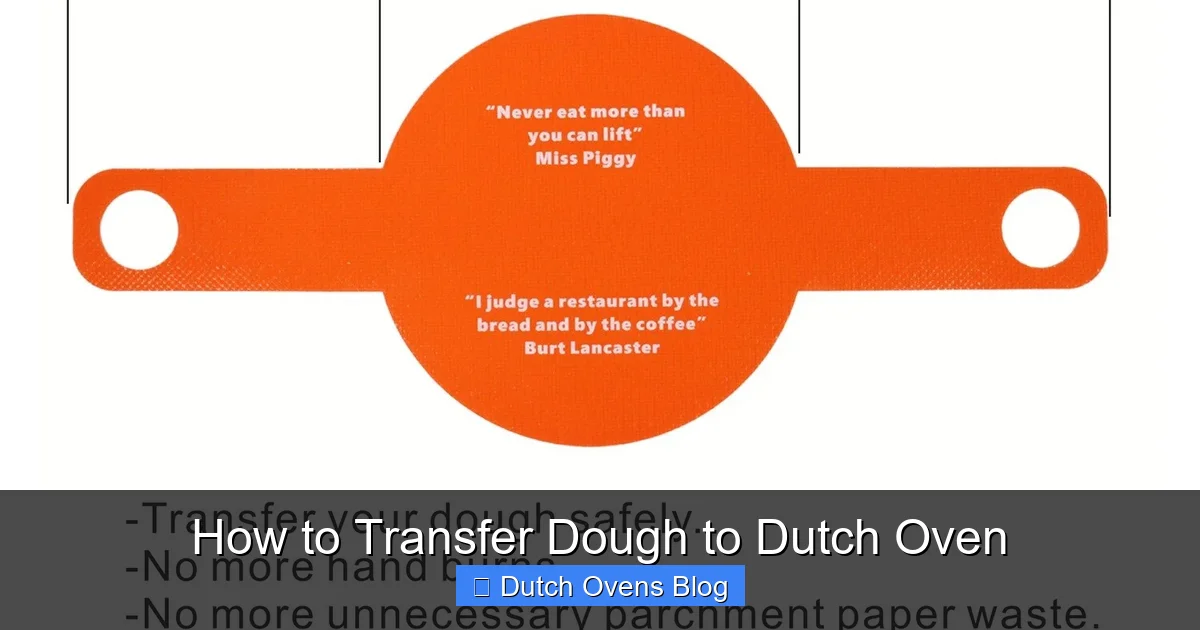
Visual guide about How to Transfer Dough to Dutch Oven
Image source: images.nexusapp.co
Shape the Dough
Shape your dough into a tight ball or oval, depending on your recipe. This shaping helps it hold its form during the transfer and bake. Use a bench scraper or your hands to tuck edges underneath, creating surface tension.
Prepare a Floured or Parchment Surface
To make transferring easier, place your shaped dough on a surface lightly dusted with flour, cornmeal, or semolina. Alternatively, you can place the dough on a piece of parchment paper. This will prevent sticking and allow you to lift the dough effortlessly.
Step 2: Preheat Your Dutch Oven
Why Preheating Matters
Preheating your Dutch oven creates a hot, steamy environment, which is essential for a perfect crust. Heat your Dutch oven in the oven at the temperature specified in your recipe, usually between 450°F to 500°F (230°C to 260°C), for at least 30 minutes.
Use Oven Mitts and Safety Precautions
Remember, your Dutch oven will be extremely hot. Use thick oven mitts and place it on a heat-resistant surface when removing from the oven to avoid burns or accidents.
Step 3: Transfer the Dough into the Dutch Oven
Using Parchment Paper
If your dough is resting on parchment paper, this step is simple. Lift the paper with the dough on it and carefully place it inside the hot Dutch oven. The parchment paper can stay in the pot while baking.
Using a Floured Surface and a Baking Sheet or Pizza Peel
If you’re not using parchment paper, place your dough on a well-floured baking sheet or a pizza peel. Gently slide the dough off the peel or sheet into the Dutch oven. To do this, tilt the peel and use a quick but smooth motion to drop the dough in.
Handling Without Tools
For those without a peel or baking sheet, you can transfer dough by gently scooping it with your hands or a bench scraper. Use a quick, confident motion to place the dough into the Dutch oven, but avoid squeezing or pressing it.
Step 4: Cover and Bake
Replace the Lid
Immediately cover your Dutch oven with its lid to trap steam. This moisture is critical for forming a crispy, golden crust.
Baking Time and Temperature
Follow your recipe’s instructions for baking time. Usually, bread is baked covered for the first 20-30 minutes, then uncovered for the last 10-15 minutes to brown the crust.
Practical Tips for a Smooth Transfer
- Flour or dust your surface generously: This reduces sticking and helps the dough slide smoothly.
- Work quickly but calmly: Moving too slowly can cause the dough to stick or deflate.
- Use a bench scraper: This tool helps gently lift and move dough without damaging it.
- Practice makes perfect: Don’t worry if your first few transfers aren’t perfect. You’ll get better with experience.
Troubleshooting Common Transfer Problems
Dough Sticking to Surface or Tools
If your dough sticks, add a bit more flour or cornmeal to the surface. Also, try using parchment paper next time—it’s a great non-stick surface.
Dough Losing Shape or Deflating
Handle the dough gently. Avoid poking or pressing it. Use quick, confident movements to transfer the dough to the Dutch oven.
Burns or Safety Issues
Always use oven mitts when handling a hot Dutch oven. Keep your workspace clear and organized to avoid accidents.
Conclusion
Transferring dough to a Dutch oven doesn’t have to be intimidating. By preparing your dough correctly, using parchment paper or a floured surface, and handling everything gently and confidently, you’ll get great results every time. Remember to preheat your Dutch oven and use safety precautions to avoid burns. With these tips and a little practice, your homemade bread will have that perfect crust and crumb you’re aiming for. Happy baking!
🎥 Related Video: How to move sourdough from a banneton/bowl to a Dutch oven using a cutting board.
📺 The Salty Bee Bakery