
Electric rice cookers have evolved dramatically since the 1920s. This guide explores their journey from simple automatic devices to today’s smart, connected appliances. You’ll learn how each technological leap improved convenience and cooking results.
Contents
- 1 Key Takeaways
- 2 Introduction: The Amazing Journey of Your Kitchen Companion
- 3 The Dawn of Electric Rice Cooking (1920s-1950s)
- 4 The Rise of Automatic Cookers (1950s-1980s)
- 5 The Digital Revolution (1980s-2000s)
- 6 The Age of Fuzzy Logic (1990s-2010s)
- 7 The Smart Cooker Era (2010s-Present)
- 8 Comparing the Generations: Feature Evolution
- 9 Troubleshooting Across All Generations Even the smartest cooker can have issues. Here are common problems and solutions for every type of rice cooker. Rice Is Too Mushy or Sticky Solution: Reduce water by 1/4 cup next time. Different rice types need different water ratios. Brown rice needs more water than white rice. Always measure rice and water with the cup that came with your cooker. Rice Is Undercooked or Hard Solution: Add 2-3 tablespoons of water and restart the cook cycle for 5-10 minutes. For fuzzy logic or smart models, check that you’ve selected the correct rice type setting. Old mechanical models might have a worn thermostat needing replacement. Cooker Won’t Switch to Warm Mode Solution: This is common in mechanical models. The thermostat might be stuck. Unplug the cooker and let it cool completely. If the problem persists, the thermostat likely needs replacement. For digital models, a power cycle (unplugging for 30 seconds) often resets the system. Water Boils Over Solution: Use less water or add a teaspoon of oil to prevent foam. Old rice or rice with high starch content foams more. Rinse rice thoroughly before cooking. For smart models, ensure the steam vent is clean and not blocked. Keep-Warm Function Isn’t Working Solution: In mechanical models, the keep-warm heater might be burned out. Digital models might show error codes. Check your manual for specific error meanings. Most keep-warm functions only work for 12 hours maximum for safety. Smart Features Not Connecting Solution: Ensure your WiFi password is entered correctly in the app. Some cookers only work on 2.4GHz networks, not 5GHz. Move the cooker closer to your router during setup. Restart both your phone and the cooker. If problems continue, contact customer support for your specific brand. Conclusion: Choosing Your Perfect Rice Cooker
Key Takeaways
- Early electric rice cookers were basic but revolutionary, replacing stove-top monitoring with simple automatic shut-off mechanisms.
- Automatic temperature control in the 1950s made rice cooking truly hands-free for the first time in history.
- Fuzzy logic technology in the 1990s allowed cookers to adjust time and heat for perfect rice every single time.
- Modern smart cookers connect to WiFi and work with voice assistants like Alexa and Google Home.
- Multi-function capabilities now include settings for porridge, steaming, slow cooking, and even baking cakes.
- Energy efficiency has improved dramatically, with newer models using 30-50% less electricity than early versions.
- Future innovations will integrate rice cookers with smart home ecosystems and nutrition tracking apps.
Introduction: The Amazing Journey of Your Kitchen Companion
Remember when cooking rice meant standing over a hot stove, worrying about boil-overs and burnt bottoms? That all changed with the invention of the electric rice cooker. This humble appliance has undergone a remarkable transformation over the past century. From simple mechanical timers to internet-connected smart devices, rice cookers have evolved alongside technology to become indispensable kitchen tools.
In this guide, you’ll discover exactly how electric rice cookers evolved from basic automatic devices to sophisticated smart appliances. We’ll explore each major innovation, understand the technology behind these changes, and see what the future holds. Whether you’re a rice cooking novice or a seasoned pro, this journey through history will help you appreciate your modern rice cooker even more.
By the end, you’ll know which features matter most and how to choose the perfect cooker for your needs. Let’s dive into this fascinating evolution that turned a simple kitchen gadget into a smart cooking powerhouse.
The Dawn of Electric Rice Cooking (1920s-1950s)
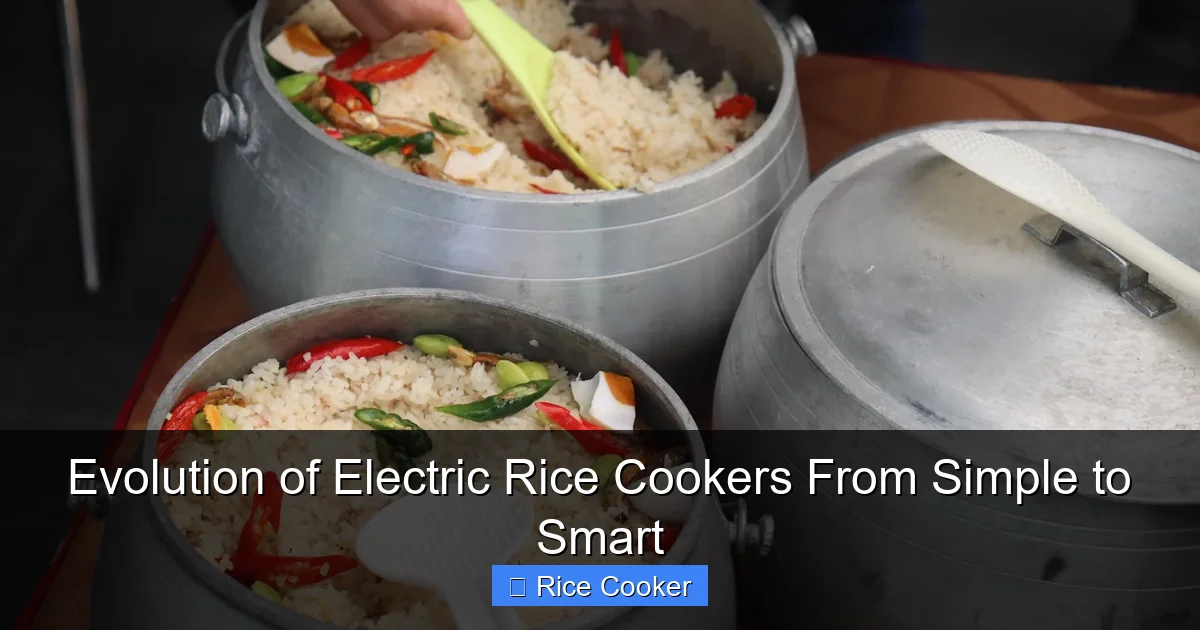
The story begins in the early 1920s in Japan, where rice was already a staple food. Companies like Mitsubishi started experimenting with electric heating plates for rice cooking. These early models were nothing like what we use today.
Visual guide about Evolution of Electric Rice Cookers From Simple to Smart
Image source: fuzzylogicricecooker.com
First Generation: Simple Heating Elements
These cookers had one job: apply heat to a metal bowl. They contained basic heating coils and a simple thermostat. The thermostat would click off when the water evaporated, but this wasn’t always reliable. Users still needed to monitor the process closely.
Key features:
- Single heating element at the bottom
- Basic mechanical timer
- No keep-warm function
- Required constant attention
The Breakthrough: Automatic Shut-Off
Everything changed in 1956 when Yoshitada Yamada invented the first truly automatic electric rice cooker. This revolutionary device used a mechanical switch that detected when all water had been absorbed. The cooker would automatically flip from “cook” to “warm” mode.
This innovation meant people could finally walk away while their rice cooked. No more babysitting the pot. The rice cooker became an instant hit in Japanese households and soon spread worldwide.
The Rise of Automatic Cookers (1950s-1980s)
With the success of automatic models, manufacturers raced to improve reliability and add features. This era saw the rice cooker become a standard appliance in kitchens across Asia and beyond.
Visual guide about Evolution of Electric Rice Cookers From Simple to Smart
Image source: fuzzylogicricecooker.com
Improved Thermostats and Reliability
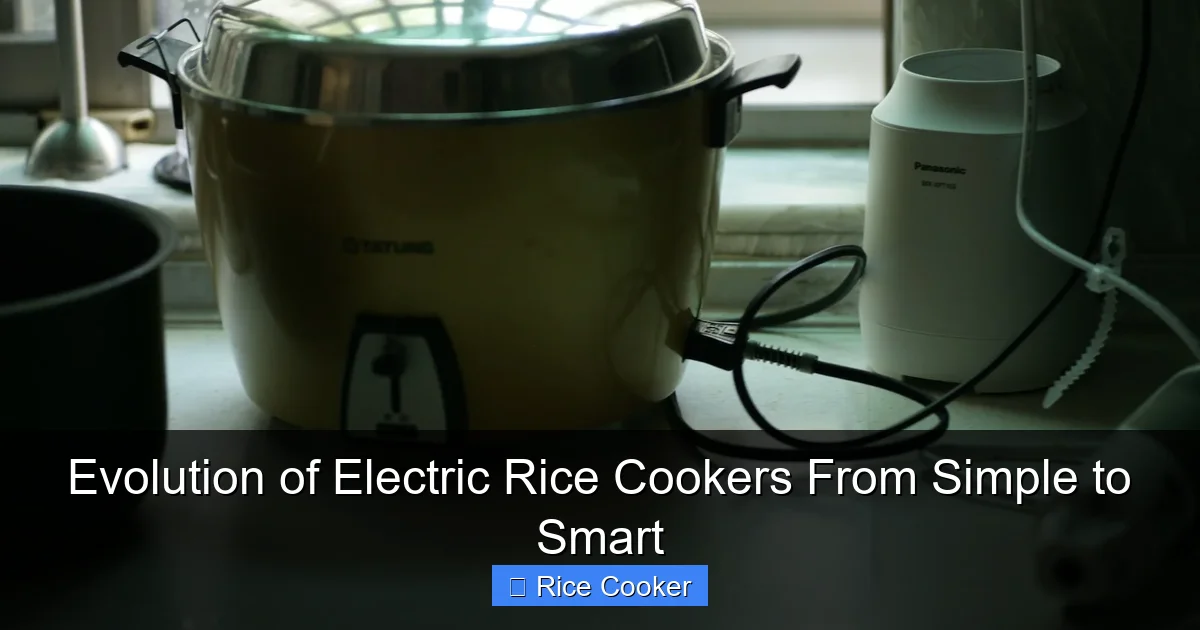
Companies refined the bimetallic thermostat technology. These devices used two different metals that expanded at different rates when heated. When the rice finished cooking and temperature exceeded 212°F (100°C), the metals would bend just enough to trip the switch.
Practical tip: If you own an older model, you might notice it takes longer to switch to warm mode. This is normal wear on the thermostat mechanism.
The Keep-Warm Function Becomes Standard
Early models would shut off completely, letting rice cool rapidly. The new keep-warm function maintained rice at a safe serving temperature for hours. This was perfect for families with different schedules.
Most basic rice cookers today still use this same reliable technology. It’s simple, durable, and costs less than $30. But it has limitations. The cooker can’t adjust for different rice types or quantities. You must add the right water manually every time.
The Digital Revolution (1980s-2000s)
Microprocessor technology changed everything in the kitchen, and rice cookers were no exception. This era introduced digital controls and multiple cooking functions.
Visual guide about Evolution of Electric Rice Cookers From Simple to Smart
Image source: pressurecookerportal.com
Introduction of Microprocessor Control
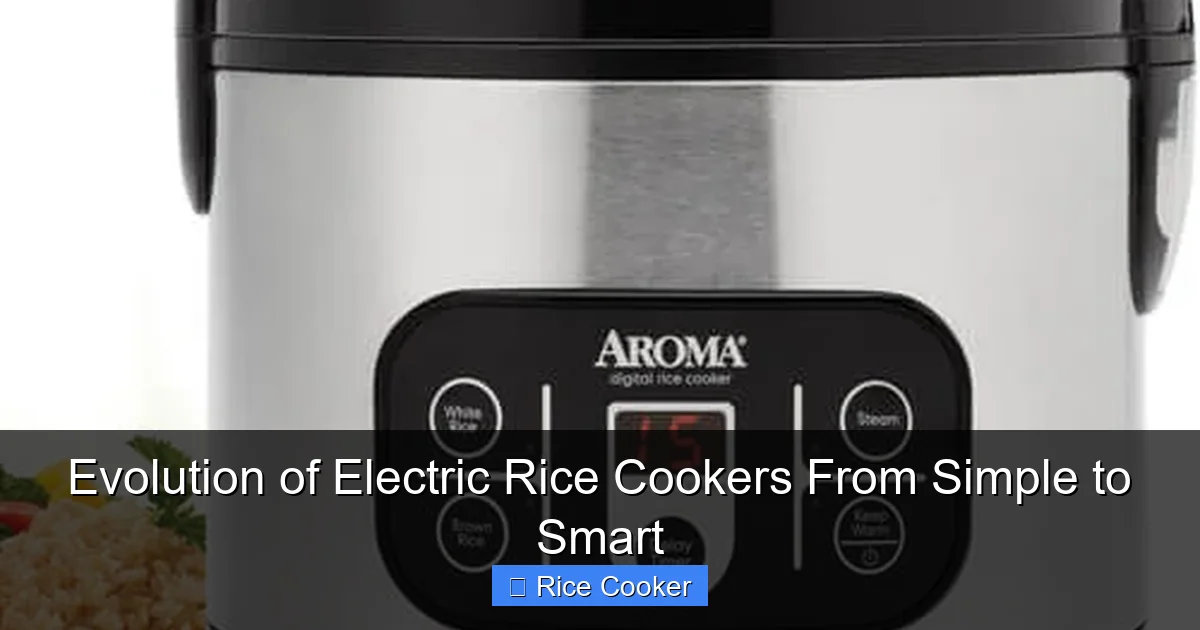
Digital rice cookers replaced mechanical switches with computer chips. These chips could monitor temperature more precisely and control heating patterns. The first digital models appeared in the mid-1980s in Japan.
Unlike mechanical cookers, digital models could:
- Count down cooking time accurately
- Delay start for up to 24 hours
- Adjust power levels during cooking
- Display status through LED screens
Multi-Function Capabilities Emerge
Suddenly, rice cookers could do more than just cook white rice. Manufacturers added settings for:
- Brown rice (longer cooking time)
- Porridge and congee
- Steam vegetables and fish
- Slow cooking stews
This versatility made rice cookers appealing to health-conscious cooks. You could steam fresh vegetables while cooking rice simultaneously. It was like having two appliances in one.
Choosing Between Digital and Mechanical
For basic white rice cooking, mechanical models still work perfectly well. They’re cheaper and last for years. But if you cook different rice varieties or want precise timing, digital offers clear advantages. The how to cook rice perfectly every time guide explains how digital controls help achieve consistent results with different grains.
The Age of Fuzzy Logic (1990s-2010s)
Just when you thought rice cookers couldn’t get smarter, fuzzy logic technology arrived. This innovation, pioneered by Japanese companies in the early 1990s, mimics human decision-making.
What Is Fuzzy Logic?
Traditional computers operate on strict yes/no logic. Fuzzy logic allows for “degrees of truth.” Think of it this way: instead of just “cook” or “warm,” the cooker can decide “cook a little longer” or “reduce heat slightly.”
The fuzzy logic rice cooker uses multiple sensors to monitor:
- Ambient room temperature
- Quantity of rice and water
- Humidity levels
- How quickly water absorbs
Real-Time Adjustments During Cooking
Here’s where it gets impressive. The cooker can change its behavior mid-cycle. If it detects the rice is absorbing water faster than expected, it might extend cooking time slightly. If the kitchen is cold, it compensates by heating longer.
Example: Cooking 2 cups of rice in winter versus summer would normally give different results. Fuzzy logic adjusts automatically for perfect rice every season.
Benefits Over Traditional Models
Fuzzy logic cookers deliver:
- Perfectly fluffy rice regardless of type
- Better results with frozen rice
- Automatic adjustment for altitude differences
- Consistent outcomes every single time
These models cost more, typically $100-200, but serious rice lovers swear by them. They’re especially valuable if you frequently cook different types of rice like jasmine, basmati, or wild rice blends.
The Smart Cooker Era (2010s-Present)
We’ve now entered the age of connectivity. Today’s rice cookers can talk to your phone, respond to voice commands, and learn your preferences over time.
WiFi Connectivity and App Control
Modern smart rice cookers contain WiFi chips that connect to your home network. Download the companion app, and you can:
- Start cooking from your office
- Adjust settings remotely
- Receive notifications when rice is ready
- Access hundreds of recipes
- Track cooking history
Imagine leaving work and starting your rice cooker from the car. By the time you arrive home, dinner is ready. This convenience comes at a price, with smart models costing $150-300.
Voice Assistant Integration
“Alexa, start the rice cooker.” It’s that simple with smart models. Integration with Amazon Alexa, Google Assistant, and Siri means hands-free operation. Perfect when your hands are covered in flour or you’re busy with kids.
Voice commands can:
- Start specific cooking programs
- Check remaining time
- Cancel cooking cycles
- Set custom timers
AI-Powered Learning and Personalization
The latest innovation uses artificial intelligence. These cookers learn from your adjustments. Prefer your rice slightly softer? The AI remembers and applies that preference to future cooks.
Some models even connect to fitness apps. They can suggest rice portions based on your daily activity level or dietary goals. This personalization represents the future of smart cooking.
Energy Efficiency in Modern Cookers
Smart technology isn’t just about convenience. It’s also about sustainability. Newer models use induction heating instead of traditional coils. This method heats the bowl directly, wasting less energy.
Compared to 1980s models, today’s smart cookers use 40% less electricity. They also cook faster, saving both time and power. When you compare this to gas vs electric cooking, modern electric rice cookers are among the most efficient kitchen appliances available.
Comparing the Generations: Feature Evolution
Let’s see how far we’ve come. The table below shows the progression of key features across generations.
Feature Comparison Table
| Feature | 1950s Mechanical | 1980s Digital | 1990s Fuzzy Logic | 2020s Smart |
|---|---|---|---|---|
| Automatic shut-off | ✓ | ✓ | ✓ | ✓ |
| Keep-warm function | Limited | ✓ | ✓ | ✓ |
| Multiple settings | ✗ | Basic | Advanced | Extensive |
| Delay timer | ✗ | ✓ | ✓ | ✓ |
| App connectivity | ✗ | ✗ | ✗ | ✓ |
| Voice control | ✗ | ✗ | ✗ | ✓ |
| Average price | $15-25 | $40-80 | $100-200 | $150-300 |
| Lifespan | 10+ years | 7-10 years | 8-12 years | 5-8 years |
