
Are Dutch Ovens Good.for.frying

Dutch ovens are excellent for frying thanks to their thick walls and heat retention properties. They provide even heat distribution, making them great for frying foods to crispy perfection. Whether you’re shallow or deep frying, a Dutch oven can be a reliable and practical choice in your kitchen.
Key Takeaways
- Heat retention: Dutch ovens hold and distribute heat evenly, ideal for consistent frying temperatures.
- Versatility: Suitable for both shallow and deep frying various foods, from chicken to doughnuts.
- Material advantage: Cast iron Dutch ovens excel at maintaining steady heat compared to other cookware.
- Safety: High sides reduce oil splatter, making frying safer and cleaner.
- Seasoning and maintenance: Properly seasoned cast iron Dutch ovens enhance non-stick frying performance.
- Size considerations: Choose the right size Dutch oven to ensure enough oil capacity for frying.
- Cleaning tips: Cleaning and caring for Dutch ovens after frying helps prolong their lifespan.
📑 Table of Contents
Are Dutch Ovens Good for Frying?
If you love frying but wonder if a Dutch oven is the right tool, you’re not alone. Dutch ovens have been a kitchen staple for centuries, prized for their durability and heat retention. But are they good for frying? The short answer is yes—Dutch ovens can be fantastic for frying when used correctly.
In this article, we’ll explore why Dutch ovens are great for frying, how to use them effectively, and tips to get the best results. Whether you’re frying crispy chicken, golden fries, or homemade doughnuts, knowing how to use your Dutch oven for frying can elevate your cooking.
What Makes Dutch Ovens Ideal for Frying?
Superior Heat Retention and Distribution
Dutch ovens, especially those made of cast iron, are known for their ability to hold heat evenly and consistently. This means the oil temperature stays stable during frying, which is crucial for crispy, evenly cooked food. Unlike thinner pans, Dutch ovens don’t cool down quickly when you add food, preventing soggy results.
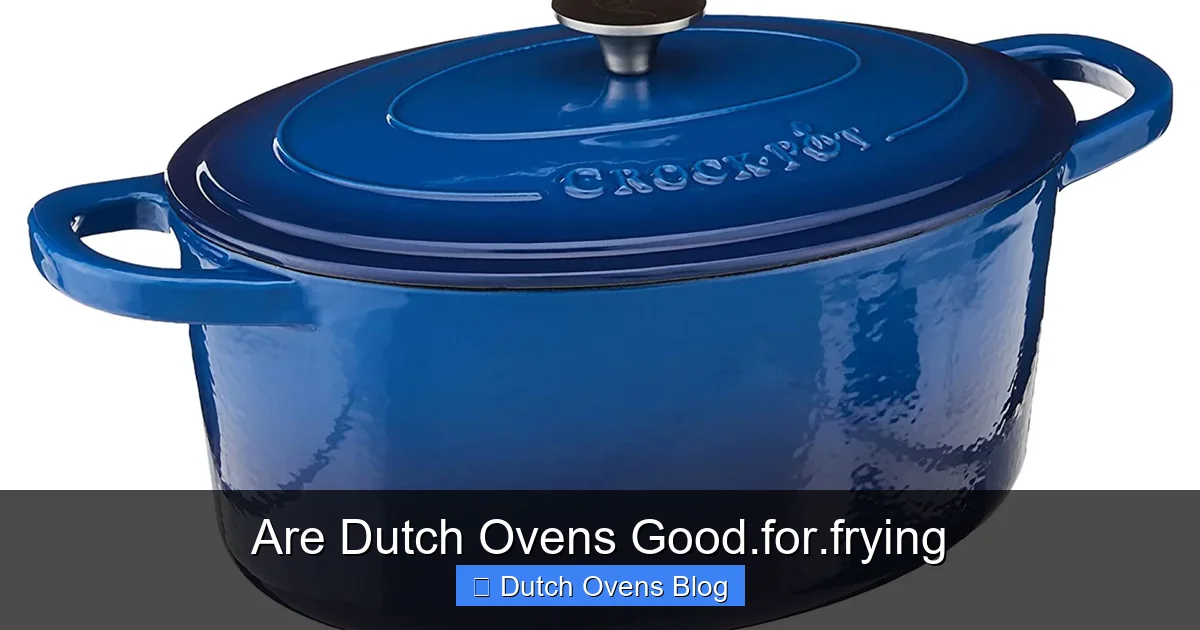
Visual guide about Are Dutch Ovens Good.for.frying
Image source: nypost.com
Thick Walls and High Sides
The thick walls of a Dutch oven help maintain the oil temperature while the high sides prevent oil splatters. This makes frying safer and reduces mess. You can fry deeper batches of food without worrying about oil spilling over the edges.
Versatility in Cooking Techniques
Besides frying, Dutch ovens are great for braising, roasting, and baking, making them a multi-purpose kitchen hero. This versatility means you can switch between cooking methods easily, even during a single meal prep.
Types of Frying You Can Do in a Dutch Oven
Deep Frying
Deep frying involves submerging the food completely in hot oil. Dutch ovens are perfect for this because their size allows enough oil to cover the food without overflowing. For example, frying chicken wings or homemade chips works beautifully in a Dutch oven.
Shallow Frying
Shallow frying uses less oil and cooks food partially submerged. Dutch ovens work well here, too. Their thick base ensures even browning, whether you’re frying cutlets or pancakes.
Pan Frying
Pan frying usually requires less oil and is done at moderate heat. While Dutch ovens might be larger than typical frying pans, they still provide excellent results, especially when cooking for multiple people.
Tips for Frying with a Dutch Oven
Choose the Right Size
Go for a medium to large Dutch oven (5-7 quarts) for frying. This size holds enough oil for deep frying without overcrowding your stovetop.
Use a Thermometer
Maintaining proper oil temperature (usually between 325°F and 375°F) is key. A kitchen thermometer helps you monitor and adjust heat precisely, preventing greasy or burnt food.
Preheat Slowly
Heat your Dutch oven gradually to avoid hot spots and uneven heating. Cast iron takes time to warm up but holds temperature well once hot.
Don’t Overcrowd the Pot
Adding too much food lowers oil temperature and results in soggy, greasy dishes. Fry in small batches for best results.
Use a Slotted Spoon or Spider
These tools help safely remove fried food from hot oil and allow excess oil to drain back into the pot, keeping your food crisp.
Cleaning and Maintaining Your Dutch Oven After Frying
Cool Down Before Cleaning
Let the Dutch oven cool down before cleaning to avoid thermal shock, which can damage the enamel or cast iron.
Use Hot Water and Mild Soap
For enameled Dutch ovens, gentle soap and hot water remove oil residues. For traditional cast iron, avoid soap and use hot water with a brush or scraper.
Re-Season Cast Iron If Needed
If your cast iron Dutch oven loses its seasoning after frying, apply a thin layer of oil and heat it to restore its non-stick surface.
Dry Thoroughly
Make sure to dry your Dutch oven completely to prevent rust, especially for cast iron varieties.
Popular Foods to Fry in a Dutch Oven
Fried Chicken
One of the most popular fried dishes, fried chicken comes out crispy and juicy when cooked in a Dutch oven.
Doughnuts and Fritters
The even heat helps doughnuts fry evenly, giving them a perfect golden crust.
French Fries and Potato Chips
Frying potatoes in a Dutch oven yields crispy, delicious fries or chips with minimal oil absorption.
Seafood
Items like fried shrimp or calamari get a lovely crunch without burning or sticking.
Conclusion: Should You Use a Dutch Oven for Frying?
Absolutely! Dutch ovens are excellent for frying because of their heat retention, even cooking, and safety features. Whether you’re frying deep or shallow, this versatile cookware can deliver restaurant-quality results at home. With the right size, temperature control, and care, a Dutch oven can become your go-to pot for all your frying needs.
So next time you’re craving crispy fried delights, reach for your Dutch oven. Your taste buds—and your kitchen—will thank you!
🎥 Related Video: Why a Dutch Oven is Not a Pot #halloweenwithshorts #shorts
📺 Cooking At Pam’s Place
Why a Dutch Oven is MOT a Pot #shorts @shortsexcellence Subscribe if you have a dutch oven Come with me I’ll show you what …
Frequently Asked Questions
Can I deep fry in a cast iron Dutch oven?
Yes, cast iron Dutch ovens are excellent for deep frying due to their heat retention and even heat distribution, which helps maintain consistent oil temperature.
Is it safe to fry in an enameled Dutch oven?
Yes, enameled Dutch ovens can be used for frying safely. Just ensure you don’t overheat the oil to avoid damaging the enamel coating.
How much oil should I use when frying in a Dutch oven?
Use enough oil to submerge your food for deep frying, usually about 2-3 inches deep. For shallow frying, less oil is needed, typically around 1/2 to 1 inch.
What temperature should oil be for frying in a Dutch oven?
Most frying is done between 325°F and 375°F. Using a thermometer helps keep the oil at the right temperature for crispy, non-greasy results.
How do I clean my Dutch oven after frying?
Allow it to cool, then clean enameled Dutch ovens with warm soapy water. For cast iron, use hot water and a brush, avoid soap, and re-season if necessary.
Can I use a Dutch oven on an electric stove for frying?
Yes, Dutch ovens work well on electric stoves. Just heat slowly to ensure even heat distribution and avoid hot spots while frying.
