
How to Bake in a Dutch Oven

How to Bake in a Dutch Oven is your ultimate guide to mastering baking with this versatile cookware. From perfecting crusty bread to slow-cooked casseroles, you’ll learn easy steps, helpful tips, and troubleshooting advice to bake delicious meals right at home.
Key Takeaways
- Understanding Dutch Ovens: Learn why Dutch ovens are perfect for baking due to their heat retention and even cooking.
- Preheating is Key: Always preheat your Dutch oven to ensure optimal baking results, especially for bread.
- Use the Right Dough or Recipe: Some recipes work better in Dutch ovens, like artisan bread and slow-cooked dishes.
- Manage Moisture and Steam: Dutch ovens trap steam, which helps create a crispy crust for baked goods.
- Handle with Care: Dutch ovens get very hot; use proper gloves and tools to avoid burns.
- Cleaning and Maintenance: Proper cleaning keeps your Dutch oven in great shape for years.
- Troubleshooting Tips: Fix common issues like sticking or uneven baking with simple adjustments.
How to Bake in a Dutch Oven: A Complete Guide
Welcome! If you’ve ever wondered how to bake in a Dutch oven and create bakery-quality bread or hearty casseroles, you’re in the right place. This guide will walk you through everything you need to know—from prepping your Dutch oven and choosing recipes to tips for perfect texture and flavor. Baking in a Dutch oven is simple, fun, and rewarding, so let’s get started!
Why Bake in a Dutch Oven?
Dutch ovens are heavy, thick-walled pots made from cast iron, often coated with enamel. Their ability to hold and evenly distribute heat makes them perfect for baking. When baking bread, they trap steam inside, which helps form a crisp crust and a soft, airy crumb. Plus, Dutch ovens are versatile—you can bake bread, casseroles, cakes, and even roast meats.
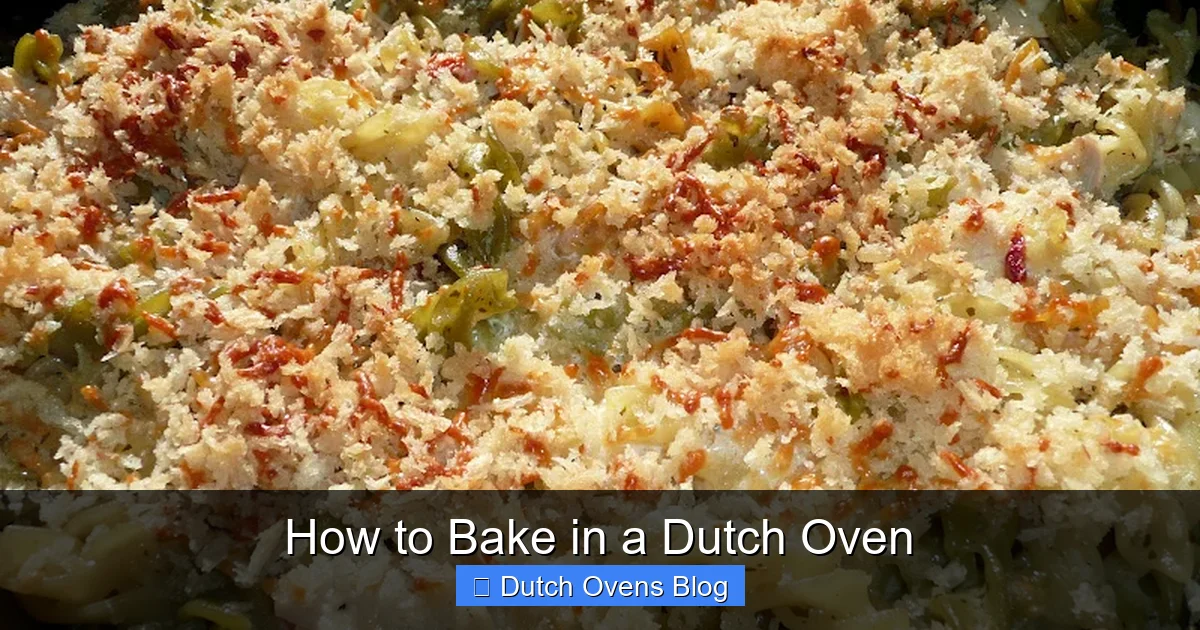
Visual guide about How to Bake in a Dutch Oven
Image source: 4.bp.blogspot.com
What You’ll Need
- A Dutch oven with a lid (cast iron or enameled)
- Oven mitts or heat-resistant gloves
- Baking ingredients (flour, yeast, water, salt for bread; or casserole ingredients)
- Parchment paper (optional but helpful for bread)
- A cooling rack
Step 1: Preparing Your Dutch Oven
Preheat the Dutch Oven
Place your empty Dutch oven with the lid inside your oven and preheat to the baking temperature—usually around 450°F (230°C) for bread. This step is crucial because placing cold dough into a hot pot creates steam quickly, which helps the bread rise and develop a crispy crust.
Safety Tip
Remember, the Dutch oven will be extremely hot. Use thick oven mitts when placing dough in or removing the pot from the oven.
Step 2: Preparing the Dough or Recipe
For Bread
Use a no-knead or artisan bread recipe that has a sticky dough. After the first rise, shape your dough on a floured surface into a ball. If you want, line your Dutch oven with parchment paper to prevent sticking and make transfer easier.
For Other Bakes
If baking casseroles or cakes, prepare your recipe as usual and lightly grease the Dutch oven to prevent sticking. You do not need to preheat the pot for casseroles.
Step 3: Baking Your Bread or Dish
Baking Bread
- Carefully remove the hot Dutch oven from the oven.
- Place the dough ball inside (on parchment if using).
- Cover with the lid and return to the oven.
- Bake covered for 20-30 minutes to trap steam.
- Remove the lid and bake for another 10-15 minutes to brown the crust.
- Remove the bread and cool on a rack before slicing.
Baking Casseroles or Cakes
- Place your prepared dish into the Dutch oven.
- Cover with the lid and bake according to your recipe instructions.
- Check periodically for doneness.
Step 4: Cooling and Serving
Once baked, allow bread or casseroles to cool slightly before serving. Cooling bread on a rack prevents sogginess. Enjoy your delicious meal straight from your Dutch oven or transfer it to serving dishes.
Practical Tips for Baking in a Dutch Oven
- Use Parchment Paper: Makes transferring dough easier and prevents sticking.
- Don’t Skip Preheating: Crucial for good oven spring and crust.
- Adjust Time for Size: Larger Dutch ovens may need longer baking times.
- Use a Thermometer: For bread, internal temperature of 200-210°F indicates doneness.
- Experiment with Recipes: Try different dough hydration levels and baking temperatures for best results.
Troubleshooting Common Issues
Bread Sticks to Dutch Oven
Try using parchment paper or dust the pot with flour or cornmeal before placing dough inside. Ensure the dough isn’t too wet.
Crust Too Hard or Too Soft
If crust is too hard, remove the lid earlier or lower the oven temperature slightly. For a softer crust, reduce uncovered baking time.
Uneven Baking
Make sure your oven rack is centered. Rotate the Dutch oven halfway through baking if your oven has hot spots.
Cleaning and Maintaining Your Dutch Oven
After use, let your Dutch oven cool completely. For cast iron, avoid soap; use hot water and a brush. For enameled versions, mild soap is fine. Dry thoroughly and apply a light coating of oil to cast iron to prevent rust.
Conclusion
Baking in a Dutch oven is a fantastic way to create delicious, bakery-style bread and hearty dishes at home. With proper preparation, patience, and a little practice, you’ll master the art of Dutch oven baking quickly. Remember to preheat, handle carefully, and enjoy the wonderful results that this versatile cookware offers. Happy baking!
🎥 Related Video: 7 Ways to Use a Dutch Oven
📺 Le Creuset
A Le Creuset Dutch Oven is useful for more than just soups and stews — it’s a versatile workhorse that can handle just about any …
